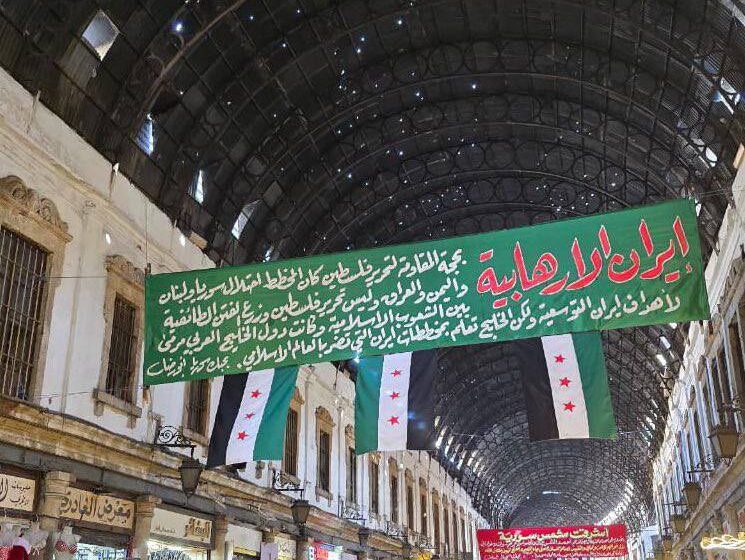
2024-12-15: Backlash Against Iran & ‘Resistance Axis’ After Assad’s Fall

Based on a Miqrab AI analysis of 389 posts trending on X / Twitter in Iraq on December 15, 2024, the primary discussions centered on the significant regional shifts following the collapse of the Assad regime in Syria. Key narratives included intense criticism of Iran and its Iraqi allies for their perceived failures and deceptions, widespread commentary on the political and security implications for Iraq, and reactions from various Iraqi political and ethnic groups to the new leadership in Damascus. Concurrently, domestic issues such as new directives from Muqtada al-Sadr, a controversial pension case involving a supposed martyr, and an alleged police torture incident in Diyala also garnered significant attention, reflecting a complex interplay between foreign developments and internal Iraqi concerns.
Table Of Content
- 1. Backlash Against Iran & ‘Resistance Axis’ After Assad’s Fall
- 2. Iraqi Political Reactions to the Fall of Assad’s Regime in Syria
- 3. Muqtada al-Sadr Issues New Directives for Saraya al-Salam
- 4. Pension Cut for Presumed Martyr Found Alive in Syria
- 5. Controversy Surrounds Alleged Torture Case in Diyala
- 6. Masoud Barzani Welcomes Statements from Syria’s New Leadership
- 7. PMF Arrests Individuals for Raising ISIS Flag in Hawija
- 8. Criticism of U.S. Secretary of State’s Reception in Baghdad
- 9. Debate Over Alleged Meeting Between an Iraqi Politician and al-Jolani
- 10. Calls to Liberate Iraq from Iranian Influence
Today’s Top 10 X (Twitter) Trends in Iraq:
1. Backlash Against Iran & ‘Resistance Axis’ After Assad’s Fall
A wave of disillusionment and anger directed at Iran and the so-called “Resistance Axis” swept through Iraqi social media following the collapse of Bashar al-Assad’s regime. The account Hassan Al-Kaabi (Post Impact: 89%) shared a powerful image of Syrians tearing down a poster featuring Assad, Qasem Soleimani, and Hassan Nasrallah, with the caption “A nation not worth sacrificing for.” In a highly engaged post, politician Faig Alsheakh/My Word for History (Post Impact: 100%) directly addressed pro-Iranian Iraqi Shia, accusing them of being deceived by Iran, which he claims fled Syria without defending Assad or Shia shrines. He rhetorically asked, “Have you realized now that they are laughing at you?” Similarly, Ghaith Al-Tamimi (Post Impact: 10%) mocked those who took cover under the “Wilayat al-Faqih” (Guardianship of the Jurist), implying their protector has been exposed as weak.
2. Iraqi Political Reactions to the Fall of Assad’s Regime in Syria
The change in leadership in Syria prompted varied reactions from Iraqi political figures, focusing on stability and the implications for Iraq. National Security Advisor Qassim Al-Araji (Post Impact: 26%) expressed optimism, viewing the return to normal life and the reopening of schools in Syria as “positive indicators towards stability,” and wished the Syrian people security and prosperity. Journalist Ahmad Mulla Talal (Post Impact: 17%) stated that the biggest gain for Iraq from Assad’s fall is the end of the flow of narcotics across the border, calling the Assad regime “the biggest manufacturer and exporter of the scourge of destruction and death in the region.” Commenting on security measures, Najeh Abbas Al-Mizan (Post Impact: 11%) noted the completion of the concrete wall between Iraq and Syria and sarcastically asked how pro-Iranian factions would now reach Jerusalem.
3. Muqtada al-Sadr Issues New Directives for Saraya al-Salam
Influential cleric Muqtada al-Sadr, through his official page Minister of the Leader – Salih Muhammad Al-Iraqi (Post Impact: 60%), issued a set of new directives for his Saraya al-Salam (Peace Brigades) paramilitary group. The directives, summarized by accounts like Haydar (Post Impact: 3%) and Safaa Al-Asadi (Post Impact: 3%), include a strict prohibition on raising weapons anywhere in Iraq except for Samarra, changing the title of “commander” to “servant,” activating a “where did you get this from?” anti-corruption principle within the brigades, and expelling any members who do not belong to the Sadrist religious authority. The new rules aim to enforce discipline and reform within the organization.
4. Pension Cut for Presumed Martyr Found Alive in Syria
A significant story emerged regarding the Iraqi Pension Authority cutting the pension of Nazhan al-Lahibi. Accounts Haydar (Post Impact: 15%) and Dr. Hussein Al-Safi (Post Impact: 9%) reported that al-Lahibi had been registered as “disappeared” and his family had been receiving a martyr’s pension since 2014. However, he recently appeared in Saraqib, Syria, fighting alongside “terrorist organizations” and owning a restaurant called “Baghdad Nights.” The Pension Authority has launched an investigation into the matter. Dr. Al-Safi used the case to claim that “90% of the disappeared are with Daesh and receive salaries from the state.”
5. Controversy Surrounds Alleged Torture Case in Diyala
The case of a young man named Abdullah Hussein in Diyala sparked debate over police conduct and human rights. Omar Al-Janabi (Post Impact: 9%) presented photos allegedly showing Abdullah with signs of torture after his arrest, arguing that the evidence points to abuse by security forces. Hassan Basketbol (Post Impact: 8%) celebrated Abdullah’s release with a photo. In contrast, Dr. Haider Al-Barzanji (Post Impact: 5%) reported that the Diyala Court of Appeal ordered Abdullah’s release, stating that investigations revealed he suffered from psychological disorders. The same post noted that Diyala Police Command denied any torture occurred and claimed the procedure was “legal.”
6. Masoud Barzani Welcomes Statements from Syria’s New Leadership
Kurdish leader Masoud Barzani issued a statement welcoming recent remarks by Ahmed al-Sharaa, the new leader in Syria, concerning the Kurdish people. As shared by Emad Bajalan (Post Impact: 7%), Barzani praised al-Sharaa’s description of Kurds as “part of the homeland and a partner in the future of Syria.” Barzani expressed hope that this vision would be “the beginning of correcting the course of history and ending the wrong and unjust practices” against Kurds in Syria. Adding to the positive sentiment, Mulla Aboud Al-Karkhi (Post Impact: 4%) commended al-Sharaa’s “political maturity” and predicted he would “dazzle the world.”
7. PMF Arrests Individuals for Raising ISIS Flag in Hawija
Security forces reported the arrest of a group for raising an ISIS flag at a school in Hawija. Accounts Abu Darandash Al-Askari (Post Impact: 8%) and Hassan Al-Kaabi (Post Impact: 6%) both stated that the Popular Mobilization Forces (PMF) apprehended the individuals responsible. The posts framed the incident as a swift response by the PMF to a provocative act aimed at destabilizing the area, with Hassan Al-Kaabi adding a menacing comment that those arrested “will never see the sun again.”
8. Criticism of U.S. Secretary of State’s Reception in Baghdad
The protocol surrounding the arrival of the U.S. Secretary of State in Baghdad drew criticism and commentary about Iraqi sovereignty. The account Aayad Al-Twfan (Post Impact: 10%) highlighted that the American official was received at Baghdad International Airport by U.S. embassy staff rather than his Iraqi counterpart. The post questioned the whereabouts of Iraqi leaders who claim to defend sovereignty, calling their stances “false heroics.” Meanwhile, Abu Darandash Al-Askari (Post Impact: 2%) listed a series of alleged conditions brought by Secretary Blinken, including the integration of the PMF into the Ministry of Defense and the handing over of senior corrupt figures.
9. Debate Over Alleged Meeting Between an Iraqi Politician and al-Jolani
Speculation circulated about a secret meeting between a Sunni Iraqi politician and the new Syrian leader, Ahmed al-Sharaa (formerly al-Jolani), sparking a debate online. Hussam Alhaj (Post Impact: 13%) posed the question directly: “Who is the Sunni politician who visited Syria and met with Jolani last Thursday?” In reaction to such possibilities, Dr. Hussein Al-Safi (Post Impact: 13%) called for severe government action against any Iraqi citizen—Shia, Sunni, or Kurd—who defends al-Jolani, whom he accused of killing thousands of Iraqis. His proposed measures included dismissal from jobs, revocation of citizenship, and confiscation of property.
10. Calls to Liberate Iraq from Iranian Influence
Amid the regional upheaval, calls for an agreement to free Iraq from Iranian influence gained traction. The account Mahdi Majeed (Post Impact: 12%) invited his followers to a discussion on X Spaces about an “agreement to liberate Iraq from the influence of Iran and its militias.” In a subsequent post, Mahdi Majeed (Post Impact: 8%) provided more details, promising to talk about who has approved the agreement and whose approval is still needed. The posts reflect a growing sentiment among some Iraqis to capitalize on perceived Iranian weakness following the events in Syria to push for greater Iraqi autonomy.