2024-12-18: PM Sudani’s High-Stakes Visit to Saudi Arabia

Based on an analysis of 606 X / Twitter posts conducted by Miqrab AI on December 18, 2024, the primary narratives circulating in Iraq revolve around significant diplomatic activities and internal political tensions. The most prominent story concerns Prime Minister Mohammed Shia’ Al Sudani’s visit to Saudi Arabia to meet with Crown Prince Mohammed bin Salman, which is being interpreted as a pivotal moment for regional alignments. Concurrently, there is intense discussion about the future of the Popular Mobilization Forces (PMF), with accounts claiming the religious authority in Najaf is defending the institution against external pressure to disband. Another major theme involves widespread criticism of Iranian influence and its allied militias, fueled by specific allegations of misconduct and general discontent with their role in the region. Rumors about the health and whereabouts of militia leader Qais Khazali are also trending, alongside historical grievances targeting former Prime Minister Nouri al-Maliki.
Table Of Content
- 1. PM Sudani’s High-Stakes Visit to Saudi Arabia
- 2. Allegations and Criticism Against Pro-Iran Militias
- 3. Rumors Circulate Over Qais Khazali’s Health Condition
- 4. Iraqi Leaders Celebrate World Arabic Language Day
- 5. Debate Over the Future of the Popular Mobilization Forces
- 6. Syria’s New Reality: Al-Jolani, Israel, and Turkish Influence
- 7. Syria’s Rapid Rebuilding Efforts Compared to Iraq
- 8. Nouri al-Maliki Accused of Using Barrel Bombs on Sunnis
- 9. New Iran-Backed ‘Kurdish Hezbollah’ Faction Emerges
- 10. PM Sudani Restricts Public Statements from His Advisors
Today’s Top 10 X (Twitter) Trends in Iraq:
1. PM Sudani’s High-Stakes Visit to Saudi Arabia
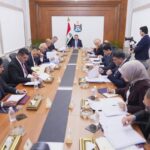
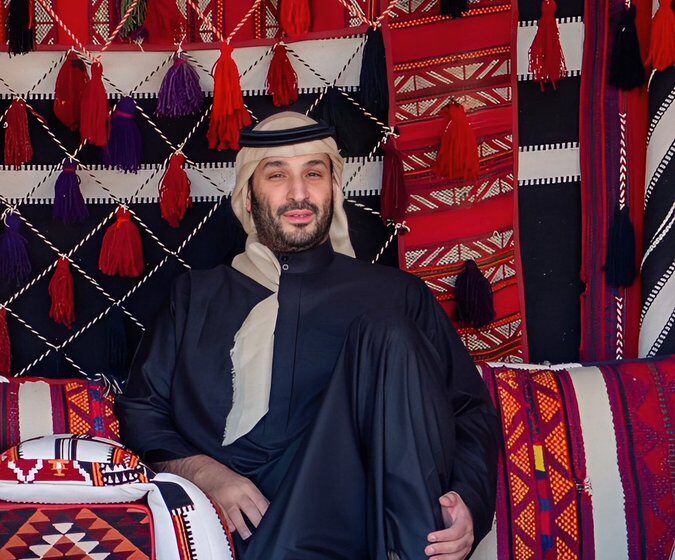
Iraqi Prime Minister Mohammed Shia’ Al Sudani’s visit to Saudi Arabia to meet with Crown Prince Mohammed bin Salman in Al-Ula dominated conversations, with users offering varied interpretations of the high-profile meeting. The official Prime Minister’s Media Office (Post Impact: 7%) announced the meeting, while other accounts framed it as a critical juncture for the region. Dr. Qusay Shafiq (Post Impact: 100%) shared an image of the two leaders, describing it as “The last mediation before it’s too late.” Rusly Al-Maliki (Post Impact: 46%) suggested that the “shuttle visits in the region between all parties portend a coming event.” Other users, like Salam Al-Husseini (Post Impact: 8%) and Tamara Alkhazraji (Post Impact: 7%), criticized Al Sudani for the visit, contrasting it with his past statements in 2016 where he allegedly described the Al Saud family as “allies of the Zionists and killers of children in Iraq, Yemen, Syria, and Lebanon.” Conversely, MP Ahmed Al-Jabouri (Post Impact: 15%) praised the meeting as a symbol of Arab unity, stating, “The Arab tent with its firm pillars protects all Arabs.”
2. Allegations and Criticism Against Pro-Iran Militias
Strong criticism of Iran and its allied militias was a major theme, highlighted by serious allegations and sharp political commentary. Mahdi Majeed (Post Impact: 48%) shared a video clip claiming that militia figure Abu Azrael admitted to a tactic where they “send girls to young Iraqi men who oppose Iran and its militias.” The post alleges these women engage in sexual acts with the men, film them to discover their locations, and facilitate their subsequent arrest. In a similar vein of anti-militia sentiment, former MP Faiq Al Sheikh Ali (Post Impact: 44%) directed a harsh message toward what he termed the “donkey Shiite,” questioning their belief in the militias’ slogans about protecting holy shrines and honor, and calling the groups “cowardly and a joke.” In another post, he mocked the “Axis of Resistance” for retreating in the region.
3. Rumors Circulate Over Qais Khazali’s Health Condition
Unconfirmed reports and speculation regarding the health and whereabouts of Asa’ib Ahl al-Haq leader Qais Khazali trended across multiple accounts. Hiba Alnnayib (Post Impact: 28%) circulated an unconfirmed report claiming Khazali had died in a Revolutionary Guard hospital in Tehran “after a long struggle with illness,” adding that he had allegedly undergone a leg amputation fifteen days prior. The rumors were amplified by others, including Steven Nabil (Post Impact: 16%), who simply posted the question, “Where is Qais Khazali?” Similarly, Hassan Basket Ball (Post Impact: 5%) cited information from a private source suggesting Khazali had “passed away” due to a recent strike and that an official announcement was imminent.
4. Iraqi Leaders Celebrate World Arabic Language Day
On December 18, several Iraqi political figures, including the Prime Minister, commemorated World Arabic Language Day, emphasizing its cultural and religious significance. Prime Minister Mohammed Shia’ Al Sudani (Post Impact: 28%) posted a tribute, stating that the language was “honored to be the language of the Holy Quran” and that humanity still recognizes its contribution to civilization. Similarly, Ammar Al-Hakim (Post Impact: 4%) expressed pride in the language, calling it “part of our cultural and heritage identity.” The user Haider (Post Impact: 4%) contributed a detailed thread outlining Iraq’s historical role in developing the Arabic language, noting that scholars in Basra, Kufa, and Baghdad established its grammar, compiled the first dictionary, and produced foundational works of poetry and rhetoric.
5. Debate Over the Future of the Popular Mobilization Forces
The status and future of the Popular Mobilization Forces (PMF), or Hashd al-Shaabi, was a point of contention, particularly in relation to the stance of Grand Ayatollah Ali al-Sistani. Several pro-PMF accounts claimed that the Marja’iyya (religious authority) in Najaf is defending the institution. Dr. Hussein Al-Safi (Post Impact: 16%) alleged that Ayatollah Sistani refused to receive the UN Special Representative because of a “rude request… which is to dissolve the Hashd al-Shaabi.” This narrative was echoed by Najah Mohammed Ali (Post Impact: 11%), who shared a purported quote from Ayatollah Mohammed Reda al-Sistani telling the UN representative that “the fatwa remains… Iraq is not Lebanon or Syria, so stick to your limits and know your place.” The discussion was further complicated by a post from Raad Hashim (Post Impact: 9%), who questioned why the PMF Commission had withdrawn its own retirement law from parliament.
6. Syria’s New Reality: Al-Jolani, Israel, and Turkish Influence
The rapidly changing situation in Syria following the fall of the Assad regime was a major topic of discussion, with a focus on Hay’at Tahrir al-Sham leader Ahmed al-Sharaa (Al-Jolani) and the presence of regional powers. Salim Al-Jumaili (Post Impact: 19%) warned that Al-Jolani “may be subjected to assassination” through a car bomb, drone strike, or direct targeting if he continues to move around without adequate security precautions. Meanwhile, Abu Azrael (Post Impact: 16%) shared images allegedly showing Israeli soldiers in southern Syria, blaming “pro-Turkey gangs” for allowing them to “violate the dignity” of local residents. The user Haider (Post Impact: 7%) expressed dismay that some Iraqis are now praising Al-Jolani, reminding them that he had previously killed thousands of them for sectarian reasons.
7. Syria’s Rapid Rebuilding Efforts Compared to Iraq
Accounts drew comparisons between the immediate aftermath of the regime change in Syria and Iraq’s experience after 2003, with many praising the Syrian people’s efforts to rebuild. Steven Nabil (Post Impact: 7%) observed that Syrians are demonstrating a strong desire to rebuild their nation, highlighting how teachers organized to clean schools, flights resumed between Damascus and Aleppo within eight days, and citizens focused on rebuilding rather than destroying state institutions. He called these “the achievements of a people who want good for their country.” In a similar vein, Sufian Al-Samarrai (Post Impact: 9%) responded to Shiite accounts criticizing the “new Umayyads” in Syria by arguing that the new authorities are superior to Iraq’s “Jaafari Safavid” rule, noting that they immediately began cleaning the country and rebuilding streets and sidewalks.
8. Nouri al-Maliki Accused of Using Barrel Bombs on Sunnis
Allegations resurfaced against former Prime Minister Nouri al-Maliki regarding his government’s military tactics during the fight against ISIS. Two accounts shared a video clip of former government advisor Aqil Abbas making a serious accusation. Omar Al-Janabi (Post Impact: 7%) and Othman Al-Mukhtar (Post Impact: 7%) both quoted Abbas as stating that “Nouri al-Maliki was using barrel bombs on the western and northern (Sunni) areas.” The posts add that his successor, Haider al-Abadi, issued an official decision to ban their use. Al-Mukhtar added that in 2014, Maliki dropped these bombs on the people of Fallujah, killing hundreds of women and children, and that anyone who spoke out about these crimes at the time was accused of being an ISIS supporter.
9. New Iran-Backed ‘Kurdish Hezbollah’ Faction Emerges
Multiple accounts reported on the emergence of a new armed faction in the Kurdistan Region of Iraq, described as being backed by Iran. The user Haider (Post Impact: 7%) announced the formation of the “Revolutionary Kurdistan Hezbollah” led by Adham Barzani, a cousin of Masoud Barzani who had previously split from him. The post states the new party is supported by Iran, is part of the “Axis,” and aims to combat the Turkish and Israeli presence in the region. Shaho Al-Qaradaghi (Post Impact: 6%) also reported on the group, questioning, “When will we get rid of the movements of the Iranian Revolutionary Guard?” and noting that the group declared its loyalty to Iranian Supreme Leader Ali Khamenei.
10. PM Sudani Restricts Public Statements from His Advisors
Prime Minister Mohammed Shia’ Al Sudani issued a directive limiting the ability of his advisors to make public statements, a move seen as an attempt to control the government’s official narrative. The Prime Minister’s Media Office (Post Impact: 6%) announced that advisors are not to “speculate in press statements” or express personal opinions that do not represent the government without official approval. They were given a choice to either continue their official work under these restrictions or resign. Rusly Al-Maliki (Post Impact: 3%) linked this directive directly to a recent statement made by advisor Ibrahim Al-Sumaidaie regarding the dismantling of armed factions.