2024-12-19: Backlash Over al-Sudani’s “Sectarian Threat”

Based on an analysis of 618 X / Twitter posts trending on December 19, 2024, Miqrab AI identified several key themes and narratives dominating online conversations in Iraq. The most prominent discussions revolved around rising sectarian tensions, sparked by recent statements from Prime Minister Mohammed Shia’ al-Sudani regarding events in Syria, which many users interpreted as a threat against Iraq’s Sunni population. A parallel debate raged over the future of the Popular Mobilization Forces (PMF), with strong arguments both for and against its dissolution, fueled by official government rejections and rumors of international pressure. Furthermore, regional developments, particularly Israeli military actions against the Houthis in Yemen and Russian commentary on Iran’s diminished role in Syria, were closely watched and linked back to the potential for shifts in power dynamics within Iraq.
Table Of Content
- 1. Backlash Over al-Sudani’s “Sectarian Threat”
- 2. The Contentious Future of the PMF
- 3. Allegations of Militia Atrocities and Impunity
- 4. Israeli Strikes on Houthis and Regional Tensions
- 5. High-Stakes Diplomacy and Political Alliances
- 6. Putin’s Statements on Iran’s Role in Syria
- 7. Kuwaiti Opposition Figure Rallies in Iraq
- 8. Federal Court Cancels Special Pensions for Officials
- 9. Controversy Over New Intelligence Chief Appointment
- 10. Debates on Waning Iranian Influence in the Region
Today’s Top 10 X (Twitter) Trends in Iraq:
1. Backlash Over al-Sudani’s “Sectarian Threat”
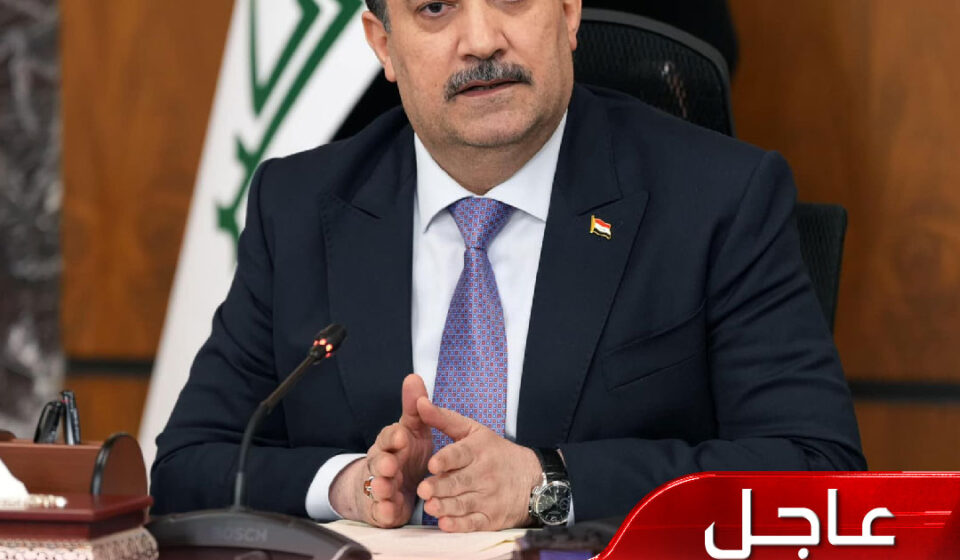
A statement by Prime Minister Mohammed Shia’ al-Sudani, warning that attacks on religious shrines in Syria could lead to repercussions for Sunnis in Iraq, has triggered a significant backlash and accusations of sectarianism. Othman al-Mukhtar (Post Impact: 100%) strongly condemned the remarks, asking, “What does Iraq and Iraqi Sunnis specifically have to do with what happens outside its borders?” He compared the threat to past retaliations against Sunnis following the execution of Nimr al-Nimr in Saudi Arabia, concluding that “Khomeinist ideology is what rules Iraq.” This sentiment was shared by others like Mustafa al-Dulaimi (Post Impact: 42%), who questioned the lack of action from the state and judiciary against such “inciting speech that encourages sedition and the shedding of innocent blood.” Ghaith Al-Tamimi (Post Impact: 18%) also commented sarcastically on the Prime Minister’s confidence in assurances from the fallen Syrian regime.
2. The Contentious Future of the PMF
The future of the Popular Mobilization Forces (PMF/Hashd al-Shaabi) is a central and polarizing topic. Pro-PMF accounts like Emad Al Musafir (Post Impact: 33%) and Abu Azrael (Post Impact: 21%) are adamant that the PMF will not be dissolved. This position was officially affirmed by Prime Minister al-Sudani, who, as reported by Omar al-Janabi (Post Impact: 20%), stated there is no intention to dissolve the force and that it is “unacceptable for anyone to direct conditions or dictates” to Iraq on the matter. Conversely, other narratives suggest dissolution is imminent. Mahdi Majeed (Post Impact: 29%) claimed that sources within the PMF report Grand Ayatollah Sistani will issue a fatwa supporting a government decision to dissolve all militias. Meanwhile, Ahmed al-Dhawaq (Post Impact: 26%) argued that any discussion of dissolving the PMF must be preceded by the dissolution of the Kurdish Peshmerga.
3. Allegations of Militia Atrocities and Impunity
A leaked video from 2016 has resurfaced, intensifying discussions about alleged atrocities committed by militias and a perceived culture of impunity. The video, shared by Othman al-Mukhtar (Post Impact: 61%), reportedly shows members of the “Popular Mobilization Forces” detaining individuals in Salah al-Din province whose fate remains unknown. Al-Mukhtar’s post strongly criticizes the Iraqi justice system, stating, “The criminals’ faces are clear, but in Iraq, the judiciary does not prosecute the perpetrators of sectarian crimes against Sunni Iraqis.” This theme of militias operating above the law was also raised by Aayad Al Twfan (Post Impact: 11%), who posted a video of a militia making threats and directly questioned the Prime Minister and Interior Minister: “Who runs the country? … You? Or these militias?”
4. Israeli Strikes on Houthis and Regional Tensions
Israeli military actions against Houthi targets in Yemen are being closely followed, with many commentators drawing parallels and predicting consequences for Iraq. Accounts like Sufian al-Samarrai (Post Impact: 27%) reported on Israel striking electricity infrastructure in Sana’a, suggesting this is a prelude to the fall of the Houthis and that “this is exactly what will happen in Iraq soon.” Mahdi Majeed (Post Impact: 19%) also discussed the strikes, claiming that a coordinated Saudi-US-Israeli effort is underway to eliminate the Houthi threat. The situation is directly linked to Iraq through an official Israeli Army statement, shared by Steven Nabil (Post Impact: 7%), which accused the Houthis of collaborating with “Iraqi militias” in targeting Israel, raising fears of a widening conflict.
5. High-Stakes Diplomacy and Political Alliances
Discussions around high-level diplomatic engagements and political alliances are prominent. Faiq Al Sheikh Ali (Post Impact: 34%) drew significant attention by posting a series of photos showing an individual named Kazim Al Mubarak Al-Waeli with top American political and military figures, including Presidents George W. Bush and Joe Biden, and Generals Odierno and Petraeus. On the official front, the Prime Minister’s Media Office (Post Impact: 18%) reported that PM al-Sudani met with Arab ambassadors to outline Iraq’s position on regional developments. Meanwhile, Rafid Jaboori (Post Impact: 17%) offered analysis on the UN representative’s visit to Iran, describing it as “preemptive mediation” aimed at convincing Tehran to rein in Iraqi militias to avoid a potential large-scale Israeli-American military response.
6. Putin’s Statements on Iran’s Role in Syria
Comments attributed to Russian President Vladimir Putin about Iran’s military role in Syria are being widely circulated to argue that Tehran’s influence is collapsing. Rusly Al-Maliki (Post Impact: 19%) highlighted Putin’s purported claim that Russia had evacuated 4,000 Iranian fighters from Syria, using it to mock their combat effectiveness. This narrative was echoed by Shaho Al-Qaradaghi (Post Impact: 8%), who sarcastically questioned why these fighters fled instead of defending the religious shrines in Syria. The posts from these accounts and others, like Omar Abdul Sattar Mahmoud (Post Impact: 12%), frame Russia’s actions as an abandonment of Iran, signaling a major strategic defeat for Tehran in the region.
7. Kuwaiti Opposition Figure Rallies in Iraq
The activities of a Kuwaiti opposition figure named Salman Al-Khalidi in southern Iraq have become a notable topic. The account Haider (Post Impact: 24%) posted a video of Al-Khalidi in Basra, describing him as “the rightful ruler of Kuwait” and claiming he is completing preparations to “liberate” the country from the ruling Al-Sabah family. In another post, the same account (Haider (Post Impact: 18%)) reported that Al-Khalidi came to Iraq to file a lawsuit with the Federal Supreme Court against the Al-Sabah family, asserting that the Abdali border region is Iraqi territory and demanding the confiscation of Al-Sabah properties in Iraq.
8. Federal Court Cancels Special Pensions for Officials
A ruling by Iraq’s Federal Supreme Court to abolish special retirement benefits for high-ranking officials has been widely praised as a major reform. As reported by MP Alia Nassif (Post Impact: 11%) and Abbas Al-Ardawi (Post Impact: 8%), the court canceled the pensions for presidents, ministers, and general directors who have served less than 15 years in government. The decision stipulates that their retirement salaries will be calculated on the same scale as regular state employees. The move is being hailed as a “historic decision” by accounts like Ahmed al-Ziyadi (Post Impact: 5%), who see it as a crucial step towards justice and ending political privilege.
9. Controversy Over New Intelligence Chief Appointment
The appointment of Hamid al-Shatri to lead the Iraqi National Intelligence Service by Prime Minister al-Sudani has generated criticism. Commentators like Suhair Al-Jumaili (Post Impact: 10%) quickly pointed out al-Shatri’s past role as a deputy head within the Popular Mobilization Forces, which the post referred to as the “terrorist Hashd authority.” The decision is also being contextualized as part of a broader trend by the government. Dr. Qusay Shafiq (Post Impact: 6%) noted that al-Shatri’s appointment follows the reinstatement of several other officials who had been previously dismissed from their posts, questioning the prime minister’s rationale and commitment to reform.
10. Debates on Waning Iranian Influence in the Region
A narrative suggesting that Iran’s regional influence is weakening is gaining traction, with users discussing its implications for Iraq. Sajad Salim (Post Impact: 22%) claimed that the “pro-Iranian Wilayat line in Iraq is now bankrupt” and has been reduced to a mere “gang of power” destined for accountability. This perspective is supported by analysis from Salim Al-Jumaili (Post Impact: 12%), who interpreted a statement by Israeli Prime Minister Netanyahu as a sign that Iraq is no longer considered a core part of the “Iranian axis of evil.” Al-Jumaili later added (Salim Al-Jumaili (Post Impact: 10%)) that the current US strategy is to end Iranian influence in Iraq through systemic “modification,” backed by the threat of severe sanctions.