2025-02-15: Controversy Over Syrian Leader Al-Jolani’s Potential Iraq Visit

Based on an analysis of 485 X / Twitter posts trending on February 15, 2025, Miqrab AI identified several key narratives circulating in Iraq. The most prominent discussion revolves around the controversial potential visit of new Syrian leader Ahmed al-Sharaa, formerly known as al-Jolani, to Iraq for an upcoming Arab summit, sparking widespread debate and opposition. Another significant theme is the reported instability within Iran, with users pointing to a media blackout and economic turmoil as signs of the regime’s imminent collapse. Conversations also centered on Iranian influence in Iraq, the formation of a new political coalition by veteran politicians Ayad Allawi and Saleh al-Mutlaq, and the diplomatic activities of Kurdistan Region President Nechirvan Barzani at the Munich Security Conference.
Table Of Content
- 1. Controversy Over Syrian Leader Al-Jolani’s Potential Iraq Visit
- 2. Reports of Instability and Collapse in Iran
- 3. Criticism of Syrian Leader Ahmed al-Sharaa’s Ideology
- 4. Allegations of Iranian Interference in Iraqi Affairs
- 5. Allawi and Al-Mutlaq Form New Political Coalition
- 6. Head of Martyrs Foundation’s Controversial 2019 Statement
- 7. Anticipation of Israeli Analyst Edy Cohen’s Speech to Iraqis
- 8. KRG President Nechirvan Barzani’s Diplomatic Meetings
- 9. Clashes in Lebanon and Criticism of Hezbollah
- 10. Fatal Stabbing Attack in Austria by Syrian National
Today’s Top 10 X (Twitter) Trends in Iraq:
1. Controversy Over Syrian Leader Al-Jolani’s Potential Iraq Visit
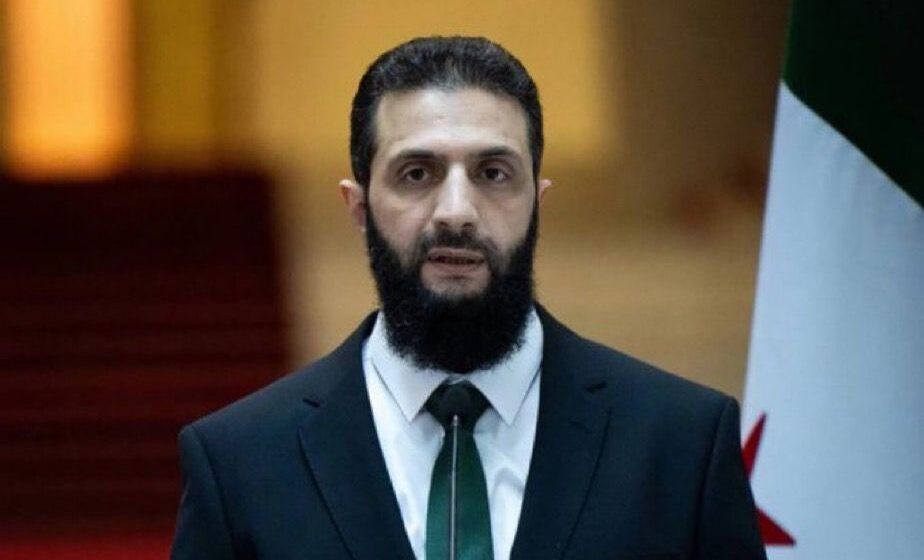
The most engaging topic on Iraqi X / Twitter is the potential visit of the new Syrian leader, Ahmed al-Sharaa (formerly Abu Mohammad al-Jolani), to Baghdad. Several accounts expressed strong opposition and issued warnings. Dr. Hussein Al-Safi (Post Impact: 100%) shared a threatening message, stating, “Al-Jolani may come to Iraq, but he will not leave Iraq. Rest assured.” Others, like Ahmad Akhu Mza’al Basra-Iraq (Post Impact: 14%), used hashtags like #WeRejectJolanisInvitation to express public sentiment that Iraq would not be honored by the presence of an “terrorist.” Meanwhile, Rusly Al-Maliki (Post Impact: 27%), citing an Iraqi security source, reported that al-Sharaa’s security file in Iraq will be closed to facilitate his invitation to the Arab summit in Baghdad. Haidar (Post Impact: 32%) mentioned that “Abu Aisha al-Shaibani,” described as the foreign affairs official for Jabhat al-Nusra, is expected to visit Baghdad next week, seemingly in preparation. Salem Al-Jomaili (Post Impact: 15%) argued for engaging with the new Syrian reality based on national interest rather than past grievances, urging those who condemn al-Jolani to remember their own pasts.
2. Reports of Instability and Collapse in Iran
A significant narrative suggests severe instability and a media blackout in Iran. The Human Rights Lawyer Inas Saad (Post Impact: 99%) claimed there is a “media blackout on what is happening in Tehran” and that the “fall of Iran is a matter of time.” In another post, she highlighted the dramatic collapse of the Iranian currency, noting that $100 USD is equivalent to 11.7 million toman. Similarly, Omar Abdul Sattar Mahmoud (Post Impact: 37%) posted a video with the simple caption, “Iran is broken.” These posts collectively portray a country on the verge of collapse, both economically and politically, with authorities attempting to conceal the situation from the outside world.
3. Criticism of Syrian Leader Ahmed al-Sharaa’s Ideology
Beyond his potential visit to Iraq, the character and ideology of Syrian leader Ahmed al-Sharaa were subjects of sharp criticism. Sufian Al-Samarrai (Post Impact: 88%) posted a widely shared comparison, contrasting an unnamed “oppressed” leader wearing a $10 watch whose people are not hungry with “Al-Jolani who wears a watch worth $80,000 while his people have not been paid their salaries.” He accused al-Sharaa of trading in empty Islamist slogans. In a different vein, Mashaan Al-Jabouri (Post Impact: 39%) offered advice to al-Sharaa, warning that adopting the ideology of the Muslim Brotherhood would alienate influential Arab countries. Al-Jabouri advocated for a “civil state and respect for the religious, national, sectarian, and political diversity of the Syrian people” as the only path to gaining Arab support for the new Syria.
4. Allegations of Iranian Interference in Iraqi Affairs
Iraqi sovereignty and Iranian influence were central to a debate sparked by claims of direct interference. Aayad Al Twfan (Post Impact: 64%) reacted to a video, questioning Iraq’s independence and calling out its “humiliating dependency.” The post referenced an alleged demand by an Iranian general for the Iraqi government to execute prisoners to prevent a repeat of the “Syrian experience,” asking, “By what right does this Iranian general ask the Iraqi government to execute detainees?” In a related context, Mahdi Majeed (Post Impact: 40%) announced that a detailed report has been submitted to Alina Habba, an advisor to the U.S. President, exposing collaboration between U.S. embassy officials in Iraq and leaders of the Popular Mobilization Forces (PMF). The report allegedly contains over 160 pieces of evidence and details how Iran controls the Iraqi state, urging the new U.S. administration to hold officials accountable for misrepresenting the reality in Iraq.
5. Allawi and Al-Mutlaq Form New Political Coalition
The announcement of a new political alliance by veteran politicians Ayad Allawi and Saleh al-Mutlaq garnered attention and skepticism. Shaho Al-Qaradaghi (Post Impact: 27%) reported on the formation of the “National Civil Gathering,” which carries the slogan “Justice, equality, and the non-militarization of society,” and commented sarcastically, “Aren’t they tired?!” Raad Hashim (Post Impact: 13%) and Omar Abdul Sattar Mahmoud (Post Impact: 7%) both shared a clip of Ayad Allawi stating that his new list is a “reaction to the events that destroyed Iraq.” The reaction from users like Abu Darndesh Al-Askari (Post Impact: 7%) was dismissive, referring to the figures involved as “the gored and the fallen.”
6. Head of Martyrs Foundation’s Controversial 2019 Statement
A video from 2019 resurfaced, causing outrage over comments made by Najha Al-Shammari, the head of the Martyrs Foundation. In a post with high engagement, Rusly Al-Maliki (Post Impact: 61%) shared the clip in which Al-Shammari allegedly states that the victims of the 1991 Al-Amiriyyah shelter bombing are not considered martyrs. According to the post, she claimed, “The martyrs of the Al-Amiriyyah shelter are not martyrs, they died of suffocation and not due to an air strike!!!!!!” Al-Maliki’s post highlights the controversial nature of this statement from the official responsible for recognizing and compensating the families of martyrs in Iraq.
7. Anticipation of Israeli Analyst Edy Cohen’s Speech to Iraqis
A post from Mahdi Majeed (Post Impact: 55%) generated significant buzz by announcing an upcoming address to the Iraqi people by Israeli academic and media personality Edy Cohen. The post stated, “In the coming hours, Dr. Edy Cohen will address the Iraqi people with important information… Stay tuned.” The message, accompanied by an image of Cohen, created a sense of anticipation and speculation among Iraqi users about the content and purpose of this unusual direct address from a prominent Israeli figure, who is known for his controversial statements on Arab politics.
8. KRG President Nechirvan Barzani’s Diplomatic Meetings
The official account of Kurdistan Region President Nechirvan Barzani was active, detailing a series of high-level diplomatic meetings. Nechirvan Barzani (Post Impact: 22%) reported on a meeting with U.S. Secretary of State Marco Rubio, where they reaffirmed the U.S.-Kurdistan partnership and discussed enhancing cooperation. The president also met with Turkish Foreign Minister Hakan Fidan (Post Impact: 21%) to discuss regional developments and strengthening ties, as well as with NATO Secretary General Mark Rutte (Post Impact: 17%) to discuss Iraq-NATO cooperation and the ongoing threat of ISIS. These posts highlight a concerted diplomatic effort by the KRG leader to engage with international partners on regional security and stability.
9. Clashes in Lebanon and Criticism of Hezbollah
The situation in Lebanon drew comparisons to Iraq’s past, with users criticizing Hezbollah and Iranian influence. Ahmed Al-Thawaq (Post Impact: 35%) drew a parallel, stating, “Brothers in Lebanon, what is happening to you now happened to us in Iraq,” and recalled how resistance leaders in Iraq dealt with “America’s tools.” Sufian Al-Samarrai (Post Impact: 7%) described a “major confrontation in the streets of Beirut between the Lebanese army and the remnants of Hassan Captagon’s terrorist gangs,” suggesting that Iran’s only remaining option is to ignite a sectarian war in Lebanon. The posts depict a tense atmosphere where the Lebanese state is confronting pro-Iranian factions.
10. Fatal Stabbing Attack in Austria by Syrian National
Several Iraqi accounts reported on a violent attack in Austria. Haidar (Post Impact: 26%) detailed that a 24-year-old Syrian man stabbed several passersby in the city of Villach, killing a 14-year-old child and injuring four others. The post added that the attacker was shouting “Allahu Akbar” and smiling before his arrest. Sufian Al-Samarrai (Post Impact: 7%) also shared the news, referring to the attacker as a “terrorist refugee.” The incident was reported as breaking news by Steven Nabil (Post Impact: 8%), bringing international events with a connection to Syria into the Iraqi social media sphere.