2025-02-16: Iran’s Mixed Portrayal: Ally and Failing State

Based on an analysis of 555 X / Twitter posts trending on February 16, 2025, by Miqrab AI, the primary narratives in Iraq revolve around regional geopolitics and domestic discontent. A dominant theme is the dual perception of Iran, which is simultaneously praised as a resilient and supportive ally and criticized for its collapsing economy. Militia leader Qais Khazali’s political statements, particularly his justification for not intervening in Syria and his push to formalize the Popular Mobilization Forces, generated significant discussion. Other key topics include reports of new U.S. financial sanctions against several Iraqi banks, a perceived diplomatic snub of the Iraqi Prime Minister at the Munich Security Conference, and widespread public anger over a presidential salary increase and other domestic governance issues.
Table Of Content
- 1. Iran’s Mixed Portrayal: Ally and Failing State
- 2. Qais Khazali on Syria, PMF Law, and Politics
- 3. US Sanctions Target Iraqi Banks
- 4. PM Sudani Snubbed at Munich Security Conference
- 5. MP Claims Saddam Hussein Owned No Personal Property
- 6. Hezbollah Under Pressure in Post-Nasrallah Lebanon
- 7. Outrage Over President’s Salary Increase
- 8. US Senator Blames Iran for Regional Instability
- 9. Debate on Iraq’s Future with Post-Assad Syria
- 10. Criticism of Government Over Importing Diseased Livestock
Today’s Top 10 X (Twitter) Trends in Iraq:
1. Iran’s Mixed Portrayal: Ally and Failing State
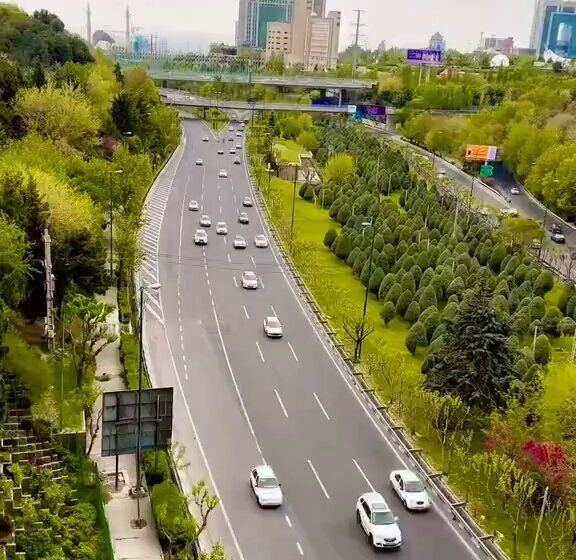
A prominent theme on X / Twitter involves sharply contrasting depictions of Iran’s status and its relationship with Iraq. Dr. Hussein Al-Safi (Post Impact: 100%) shared a video praising the beauty of Tehran, framing it as a symbol of resilience despite 45 years of Western sanctions and claiming, “Whenever sanctions on Iran increase, its strength also increases.” In a similar vein, Wasan Al-Shaikhli (Post Impact: 71%) celebrated an alleged offer from Iran to provide Iraq with free gas for ten years, calling it “The noble neighbor.” Offering a completely different perspective, Enas Saad (Post Impact: 61%) highlighted severe economic turmoil, posting a video from Ahvaz and noting the collapse of the Iranian Toman, where $100 is now worth 11.7 million.
2. Qais Khazali on Syria, PMF Law, and Politics
Statements by Qais Khazali, leader of the Asa’ib Ahl al-Haq militia, fueled significant debate. Omar Al-Janabi (Post Impact: 94%) heavily criticized Khazali for justifying his group’s non-intervention in the recent Syrian conflict by stating the change there was “political and not terrorist.” In his own series of posts, Qais Khazali (Post Impact: 47%) pledged to his followers to “correct the path of political action and work to build Iraq correctly.” He also strongly advocated for parliament to pass the service and retirement law for the Popular Mobilization Forces (PMF), a move that Omar Al-Janabi (Post Impact: 10%) interpreted as a strategy to formalize the factions and resist any attempts at disarmament.
3. US Sanctions Target Iraqi Banks
A major developing story concerns new U.S. sanctions against Iraqi financial institutions. Multiple accounts reported that the U.S. Treasury Department is set to ban five private Iraqi banks and three electronic payment companies from conducting transactions in U.S. dollars. Iyad Al-Anbar (Post Impact: 32%) questioned why the Central Bank of Iraq held a “secret” meeting to inform the affected banks rather than making a public announcement. Both Yasser Eljuboori (Post Impact: 13%) and Hisham Ali (Post Impact: 11%) listed the names of the targeted institutions, citing a Reuters report. Rafid Jaboori (Post Impact: 10%) noted that Iraq’s Central Bank will now enforce the ban at the U.S.’s request, despite having previously denied any news of impending sanctions.
4. PM Sudani Snubbed at Munich Security Conference
Several commentators focused on what they described as a diplomatic snub of Iraqi Prime Minister Mohammed Shia’ Al Sudani at the Munich Security Conference, viewing it as a sign of U.S. disapproval. Salim Al-Jumaili (Post Impact: 23%) pointed out that while Iraqi diplomatic efforts failed to secure high-level meetings for Sudani with U.S. officials, Kurdistan Region President Nechirvan Barzani successfully met with U.S. Senator Marco Rubio. This observation was echoed by Omar Abd Al-Sattar Mahmoud (Post Impact: 17%) and Sheikh Thaer Al-Bayati (Post Impact: 15%), who interpreted the events as a clear message from Washington against the pro-Iran Coordination Framework government in Baghdad.
5. MP Claims Saddam Hussein Owned No Personal Property
A highly engaged post by Muna Sami (Post Impact: 51%) sparked discussion about the wealth of Iraq’s former president. The post featured a clip of MP Amir Al-Maamouri asserting that Saddam Hussein did not own any real estate or houses in his name and that all his palaces were officially registered as property of the Iraqi people. Sami added that this information counters “a lie promoted to us by influential people so they could steal what Saddam Hussein previously owned,” suggesting the narrative of Saddam’s vast personal fortune was used as a pretext by post-2003 figures to seize state assets.
6. Hezbollah Under Pressure in Post-Nasrallah Lebanon
The precarious situation of Hezbollah in Lebanon was the subject of detailed analysis. Essam Hussein (Post Impact: 39%) argued that Hezbollah is caught “between the clamp of the outside and the claws of the inside.” He claimed that following the deaths of key leaders, domestic rivals supported by Israel are attempting to isolate the group politically, cut off its funding, and prevent its participation in government, making Israel the “de facto ruler of Lebanon.” In another post, Essam Hussein (Post Impact: 32%) contrasted the outrage in Lebanon over protesters dumping a trash car with the relative silence over the deadly car bombs used during past protests in Baghdad.
7. Outrage Over President’s Salary Increase
A decision by the Iraqi President to increase his own salary prompted widespread anger and accusations of corruption. Dr. Hanan Al-Fatlawi (Post Impact: 18%), a Member of Parliament, announced she had submitted an official parliamentary question to the president demanding to know, “What is the legal basis for your salary increase?” The move was also condemned by Srwa Abdulwahid (Post Impact: 9%), who highlighted the timing of the raise while government employees in the Kurdistan Region had yet to receive their December salaries. Falah Al-Mashal (Post Impact: 8%) called it the “era of looting” and noted the irony of the increase while parliament considers cutting welfare for the poor.
8. US Senator Blames Iran for Regional Instability
Statements made by U.S. Senator Marco Rubio at the Munich Security Conference, in which he accused Iran of being the primary source of instability in the Middle East, were widely circulated. Raad Hashim (Post Impact: 16%) shared a video of Rubio declaring, “The biggest source of instability in the region is Iran.” The Senator specifically blamed the Iranian regime for backing militias in Iraq, Hamas, Hezbollah, and for fueling violence in the West Bank. Omar Abd Al-Sattar Mahmoud (Post Impact: 6%) also posted the clip, highlighting Rubio’s clarification that his criticism was directed at the regime and not the Iranian people, whom he called victims of their own government.
9. Debate on Iraq’s Future with Post-Assad Syria
The potential for a new relationship between Iraq and Syria under the leadership of Ahmed Al-Sharaa (formerly Al-Jolani) has become a topic of intense debate among Iraqi commentators. Omar Abd Al-Sattar Mahmoud (Post Impact: 15%) posted that Iraq is preparing to “cancel the security file on Al-Jolani and start a new page.” However, this prospect faces strong opposition within Iraq, as shown by _. suhair Al_jumaili (Post Impact: 10%), who excoriated the Iraqi Speaker of Parliament for reportedly expressing reluctance to welcome Al-Jolani to Baghdad for fear of angering Shiite factions. Meanwhile, Tamara Alkhazraji (Post Impact: 6%) called on Iraqi intelligence to release any files they possess on Al-Sharaa’s alleged involvement in past violence against Iraqis.
10. Criticism of Government Over Importing Diseased Livestock
An Iraqi farmer’s complaint about the government’s agricultural import policies gained traction online. A video shared by Hanan Abdullatif (Post Impact: 27%) shows a buffalo farmer accusing the government of Prime Minister Mohammed Shia’ Al Sudani of importing diseased livestock from India and other countries without adequate health screenings. The farmer claims these animals carried diseases like plague, which caused the death of his own livestock. The post alleges that this is a deliberate strategy to undermine local Iraqi producers and force consumers to purchase Iranian dairy products, thereby helping Iran’s economy circumvent international sanctions.