2025-03-08: Condemnation of HTS Massacres Against Syrian Alawites

Based on an analysis of 743 X / Twitter posts trending on March 8, 2025, Miqrab AI found that the dominant narrative in Iraq is the widespread condemnation of what are described as sectarian massacres against the Alawite community in the Syrian coastal region by Hay’at Tahrir al-Sham (HTS), also referred to as “al-Jolani’s gangs.” Posts with the highest engagement share graphic details and images of killings, framing the events as crimes against humanity and calling for the documentation of atrocities. This has fueled intense sectarian rhetoric among Iraqi social media users, with many Shiite accounts vowing revenge and expressing fears of a similar scenario in Iraq, while others blame foreign powers like Turkey and Qatar for sponsoring the violence. The events have also sparked a parallel conversation about disinformation, with some users pointing out false claims and others accusing HTS supporters of trying to cover up the scale of the killings.
Table Of Content
- 1. Condemnation of HTS Massacres Against Syrian Alawites
- 2. Blaming Foreign Powers and Calls for Intervention
- 3. Fears of Sectarian Spillover into Iraq
- 4. Debunking Disinformation About Syrian Victims
- 5. Analyzing Syria’s Future and Risk of Division
- 6. Qais Al-Khazali’s End-of-Times Rhetoric
- 7. Reports of Indiscriminate Killing by Foreign Fighters
- 8. Rising Anti-Sunni Rhetoric and Generalizations
- 9. Sunni Figures Condemn HTS Violence in Syria
- 10. Highlighting International Reporting on Atrocities
Today’s Top 10 X (Twitter) Trends in Iraq:
1. Condemnation of HTS Massacres Against Syrian Alawites
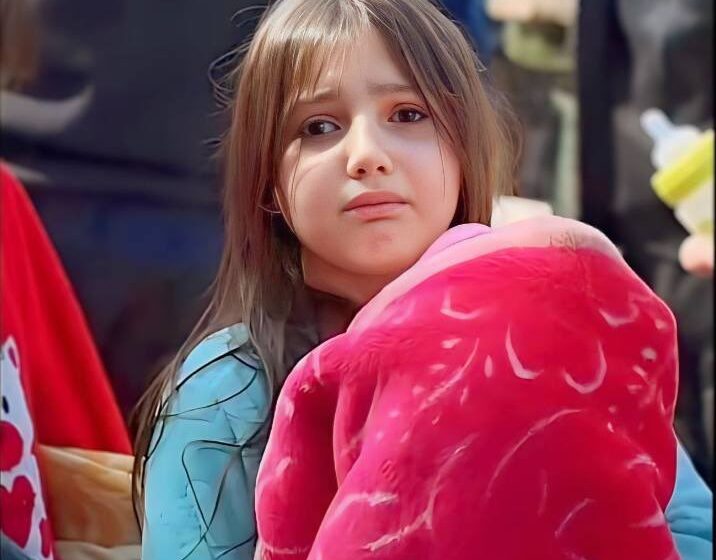
The most prominent story is the widespread outrage and condemnation of alleged massacres committed by Hay’at Tahrir al-Sham (HTS) forces against the Alawite community in Syria’s coastal region. Accounts like Essam Hussein (Post Impact: 100%) issued an urgent call for users to share videos documenting the “crimes of al-Jolani’s gangs” to create a record of their actions against civilians and expose their lies. Abu Azrael (Post Impact: 63%) shared a photo of a young girl named Malaak, who he says was killed with her family, vowing, “We will take revenge for them, even if after a while.” Other accounts, such as Wasan Al-Shayakhli (Post Impact: 38%), shared images of victims, stating they were executed simply for being Alawite. In a different take, Dr. Hussein Al-Safi (Post Impact: 44%) suggested that after seeing the crimes of HTS, “The world owes Bashar al-Assad an apology.”
2. Blaming Foreign Powers and Calls for Intervention
A significant narrative holds regional powers responsible for the violence and calls for intervention. Abu Alaa Al-Walaei (Post Impact: 20%) directly stated that “Turkey and Qatar are responsible for all the massacres committed against the Alawite community in the Syrian coast.” Concurrently, there are reports of Iraqi figures demanding action. Shaho Al-Qaradaghi (Post Impact: 12%) noted that Asa’ib Ahl al-Haq leader Qais Al-Khazali is demanding immediate intervention to protect the Alawites. This sentiment is echoed by reports from Omar Al-Janabi (Post Impact: 4%), who observed that members of Iraqi armed factions are calling to open recruitment for fighting in Syria.
3. Fears of Sectarian Spillover into Iraq
The events in Syria are stoking sectarian tensions within Iraq, with many users warning of a potential spillover. Mahdi Majeed (Post Impact: 15%) reported that Iraqi militias are threatening to kill Iraqi Sunnis in retaliation for the events in Syria, questioning, “what do the Sunnis of Iraq have to do with what happened in Syria?” Omar Al-Janabi (Post Impact: 6%) warned that the sectarian mobilization by Iran-aligned groups creates a “ticking time bomb” that could explode at any moment. In a contrarian view, Dr. Yahya Al-Kubaisi (Post Impact: 16%) argued that “Iraq, and Iraqis, are not morally qualified to talk about the crimes happening in Syria” due to atrocities previously committed in Iraq.
4. Debunking Disinformation About Syrian Victims
Amid the reports of atrocities, some accounts are actively working to highlight and debunk what they describe as disinformation. Mahdi Majeed (Post Impact: 22%) humorously refuted a post that falsely included his and his brother’s names on a list of victims of al-Jolani’s forces. In a more serious post, Essam Hussein (Post Impact: 6%) described a disinformation tactic where fake social media profiles are created in the names of murdered victims to post messages claiming they are still alive. He asserted that this is an attempt to mislead the public and “conceal the massacres” perpetrated against the Alawites.
5. Analyzing Syria’s Future and Risk of Division
Political analysts are interpreting the violence as part of a larger geopolitical strategy that could determine Syria’s future. Liqaa Maki (Post Impact: 17%) theorized that the attacks are part of a wider conspiracy aimed at dividing Syria into cantons, a goal he claims is shared by both Iran and Israel. He added, however, that this plan is opposed by Turkey and most Arab nations. Ezzat Alshabandar (Post Impact: 6%) stated that the atrocities embarrass all international backers of Syria’s new government and that without holding the perpetrators accountable, it would be “difficult to predict the future of Syria, the unity of its territory, and its stability.”
6. Qais Al-Khazali’s End-of-Times Rhetoric
Speeches and statements by Qais Al-Khazali, the leader of the militant group Asa’ib Ahl al-Haq, are a significant topic of discussion. Omar Al-Janabi (Post Impact: 14%) analyzed a recent speech where Al-Khazali linked the events in Syria to apocalyptic prophecies, specifically the emergence of the “Sufyani,” an antagonistic figure in Shiite eschatology. Al-Janabi interpreted this as a method of “popular mobilization” to prepare the Iraqi Shiite public for potential future battles directed by Iran. This follows other reports, such as one from Shaho Al-Qaradaghi (Post Impact: 12%), noting Al-Khazali’s call for direct intervention to protect the Alawite community.
7. Reports of Indiscriminate Killing by Foreign Fighters
Several posts highlight the role of foreign fighters within HTS, describing their violence as particularly brutal and indiscriminate. Wasan Al-Shayakhli (Post Impact: 21%) shared a purported audio recording of an HTS member warning Sunni civilians to stay indoors because “the Uzbek and Chechen mujahideen do not distinguish between Sunnis and Shiites and kill any person.” Similarly, Haidar (Post Impact: 6%) shared a video of a Syrian girl pleading for help after a Chechen faction allegedly entered her home, describing foreign fighters as the “spearhead” of HTS’s militias.
8. Rising Anti-Sunni Rhetoric and Generalizations
The violence in Syria has triggered a sharp rise in generalized and inflammatory anti-Sunni rhetoric from some Iraqi Shiite accounts. Hassan Al-Kaabi (Post Impact: 15%) posted a broad condemnation, claiming that extreme acts like beheadings and bombings are exclusively seen among Sunnis, questioning their religion. Following a similar line of reasoning, Dr. Haider Al-Barzinji (Post Impact: 5%) asserted that since the events began, the “vast majority of Arab Sunnis” who claim to be secular have revealed themselves to be “ISIS with shaved beards,” promoting a “filthy sectarian and ISIS-like discourse.”
9. Sunni Figures Condemn HTS Violence in Syria
In contrast to the rising sectarian rhetoric, several Iraqi Sunni political figures have publicly condemned the violence in Syria. Mashaan Al-Jabouri (Post Impact: 6%) described the events as an effort to “ignite sectarian sedition” and commended the new Syrian authorities for forming a committee to investigate violations. Dr. Majed Shingali (Post Impact: 5%) criticized HTS for attempting to rule Syria with an extremist ideology, stating that targeting an entire community because the former dictator belonged to it is unjustifiable. He concluded, “the mentality of the past cannot lead the present and build the future.”
10. Highlighting International Reporting on Atrocities
Journalist Zaid Benjamin (Post Impact: 5%) has been actively disseminating reports from international media outlets, lending credibility to the accounts of massacres. He shared a detailed summary of a Fox News report that quoted Syrian Observatory for Human Rights (SOHR) figures and included testimonies from Alawite witnesses who described killings and looting. In another post, Zaid Benjamin (Post Impact: 4%) relayed information from the Associated Press, which also cited SOHR and described “revenge killings” where victims’ identities were checked before they were shot. These posts amplify the narrative of widespread atrocities by referencing established global news sources.