2025-03-11: Attacks on Syrian Refugees in Iraq by Pro-Iran Militias

Based on an analysis of 570 X / Twitter posts trending on March 11, 2025, Miqrab AI identified several dominant narratives circulating in Iraq. The most prominent theme involves widespread condemnation of violent attacks on Syrian refugees in Baghdad, allegedly carried out by armed groups linked to Iran. This is closely followed by discussions about the ongoing violence in Syria, particularly in the coastal regions, with many users denouncing the actions of factions led by Abu Mohammad al-Jolani and expressing solidarity with the Alawite community. Other significant topics include accusations against Qatar and Al Jazeera for promoting extremist ideologies, reports of arrests of Syrian nationals in Iraq, commentary on Israeli military positioning on the Syrian border, and reflections on historical Iraqi events such as the 1970 March 11 Agreement and the 1991 uprisings.
Table Of Content
- 1. Attacks on Syrian Refugees in Iraq by Pro-Iran Militias
- 2. Violence in Syria and Condemnation of Al-Jolani’s Factions
- 3. Accusations Against Al Jazeera for Promoting Extremism
- 4. Israeli Defense Minister’s Message from Syrian Border
- 5. Arrests of Syrians in Baghdad for Supporting Extremism
- 6. Commemoration of the 1970 March 11 Agreement
- 7. Sectarian Narratives and Historical Grievances Resurface
- 8. Iraqi Voices Condemn Attacks on Syrian Workers
- 9. Kurdish Leaders Comment on Syrian Politics and Iraqi History
- 10. Debate on Iran’s Declining Regional Influence
Today’s Top 10 X (Twitter) Trends in Iraq:
1. Attacks on Syrian Refugees in Iraq by Pro-Iran Militias
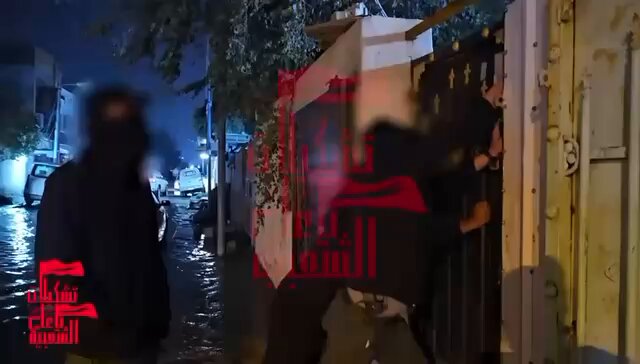
Multiple high-engagement accounts are reporting on attacks against Syrian refugees in Iraq. Steven Nabil (Post Impact: 37%) states that “armed groups belonging to armed factions linked to Iran” stormed the workplaces of Syrian refugees, assaulting them and abducting some to unknown locations. He and Mahdi Majeed (Post Impact: 18%) claim the motive was the refugees’ support for the new Syrian government. Accounts like Omar Al-Janabi (Post Impact: 6%) and Othman Al-Mokhtar (Post Impact: 9%) identify the assailants as a new group calling itself “Tashkelat Ya Ali Al-Shaabiya” (Popular Ya Ali Formations) and criticize the Iraqi government’s lack of response. The reports include videos allegedly showing the assaults, sparking calls for an official investigation.
2. Violence in Syria and Condemnation of Al-Jolani’s Factions
The security situation in Syria, especially in the coastal region, is a major topic of discussion, with many posts condemning the actions of factions associated with Abu Mohammad al-Jolani. Abu Drandesh Alaskree (Post Impact: 30%) shares a video depicting what he describes as the mistreatment of Shia in Syria. In a related story, Haidar (Post Impact: 25%) reports that Ashur University in Baghdad mourned one of its professors, Dr. Rami Salman Shaheen, who was allegedly killed with his entire family in the Syrian coastal region by “al-Jolani’s gangs.” Mishan Al-Jabouri (Post Impact: 9%) expresses hope that the new Syrian leader, Ahmed Al-Sharaa, will fulfill his promise to hold accountable those involved in killing civilians, calling what happened to “our Alawite civilian brothers a heinous crime.”
3. Accusations Against Al Jazeera for Promoting Extremism
There is significant criticism directed at the Al Jazeera media network, with users accusing it of promoting extremism and spreading misinformation. Hassan Alkaaei (Post Impact: 52%) reminisces about Al Jazeera’s past interviews with Osama bin Laden, stating, “How foolish we Arabs were.” Haidar (Post Impact: 11%) criticizes Qatar’s position on events in Syria as expressed through Al Jazeera, sharing a video with inflammatory commentary against Alawites. Similarly, Ahmad Abdulsada (Post Impact: 4%) claims the channel is not just a supporter of terrorism but also a producer of it, referencing a controversial question posed by host Faisal al-Qasim.
4. Israeli Defense Minister’s Message from Syrian Border
A video of the Israeli Defense Minister on Mount Hermon overlooking Damascus is circulating widely. Haidar (Post Impact: 32%) posts the video with a quote attributed to the minister: “When Abu Muhammad al-Jolani opens his eyes every morning, he will see the Israeli army watching him from Mount Hermon and will remember that we are here.” The post suggests a direct message of surveillance and deterrence aimed at the new leadership in Syria. David Yassin (Post Impact: 5%) provides further context, stating that Israel has completed “Operation 41” involving air strikes in southern Syria and that the current focus is on targeting the Syrian army’s assets.
5. Arrests of Syrians in Baghdad for Supporting Extremism
Concurrent with reports of attacks on Syrians, several accounts are sharing news of Iraqi security forces arresting Syrian nationals in Baghdad. Haidar (Post Impact: 15%) lists the names of five Syrian individuals arrested in different areas of the capital for allegedly “promoting, supporting, and glorifying extremist Syrian organizations.” Accounts like Abu Drandesh Alaskree (Post Impact: 10%) and Hassan Alkaaei (Post Impact: 7%) also share an image of one of the arrested individuals, confirming the security operation and expressing support for the crackdown on alleged supporters of extremist groups.
6. Commemoration of the 1970 March 11 Agreement
The anniversary of the March 11, 1970 Agreement, which granted autonomy to Kurds in Iraq, is being remembered by prominent political figures. Raghad Saddam Hussein (Post Impact: 24%) describes it as a “historic and important agreement that ended years of fighting between Iraqis” and affirmed that “Our Kurdish people are a fundamental component of Iraq.” Similarly, Masrour Barzani (Post Impact: 4%), Prime Minister of the Kurdistan Region, commemorated the day and reiterated that fundamental issues with the federal government must be resolved based on the constitution and the federal status of the Kurdistan Region.
7. Sectarian Narratives and Historical Grievances Resurface
Historical events and sectarian identities are being invoked in current political discourse. Hanan Abdullatif (Post Impact: 8%) recalls the 1991 uprising, criticizing protesters who allegedly called for Iranian intervention and a “Jaafari ruler.” Conversely, Dr. Hussein Al-Safi (Post Impact: 17%) and Wasan Al-Shaikhli (Post Impact: 16%) post content expressing Shia pride and defiance, with one saying “This is how the Shia are, the courage of Shia men should be studied.” These posts highlight the persistence of sectarian frameworks in interpreting both past and present events in Iraq.
8. Iraqi Voices Condemn Attacks on Syrian Workers
In response to videos showing assaults on Syrian refugees, a number of Iraqi commentators have voiced strong condemnation. Yasser Eljuboori – Yasser Aljuboori (Post Impact: 14%) calls the attacks unacceptable and questions the response of Iraqi security forces. Bahaa khaleel Bahaa khaleel (Post Impact: 13%) states, “Attacking the vulnerable has nothing to do with manliness.” ahmedmeckya (Post Impact: 9%) sarcastically questions the attackers’ claims of being “men of Ali” while committing such acts against guests and the vulnerable. These posts represent a counter-narrative pushing back against the violence and demanding accountability.
9. Kurdish Leaders Comment on Syrian Politics and Iraqi History
Kurdish political leaders are actively commenting on regional developments. Nechirvan Barzani (Post Impact: 15%), President of the Kurdistan Region, issued a statement congratulating Syria on the agreement between the Syrian President and the commander of the Syrian Democratic Forces (SDF), calling it a suitable roadmap for the future. He affirmed the Kurdistan Region’s full support for Syria’s security and stability. In a separate post, Nechirvan Barzani (Post Impact: 3%) also commemorated the March 11 Agreement, emphasizing its historical importance for Kurdish rights and calling for unity among political forces in both Kurdistan and Iraq.
10. Debate on Iran’s Declining Regional Influence
Several posts discuss the state of Iranian influence in the region, particularly in Iraq. Sufian Al-Samarrai (Post Impact: 10%) highlights a Russian media report claiming Ukraine is using Iranian drones to attack Russia, framing it as a betrayal by Iran’s allies. Raad Hashim (Post Impact: 2%) quotes a Foreign Affairs article suggesting that Iraq could be the next arena for declining Iranian influence and that a potential Trump administration has a “rare opportunity” to end it permanently. Shaho Al-Qaradaghi (Post Impact: 8%) argues that pro-Iranian militias have become a “burden on regional stability” and predicts they will eventually disappear after their demise in Syria and Lebanon.