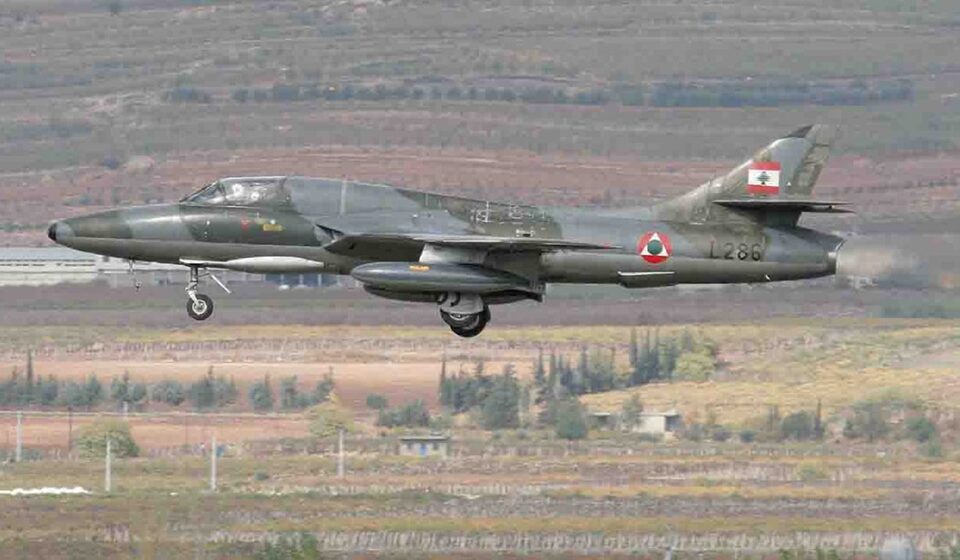
2025-03-17: Clashes Erupt on the Lebanese-Syrian Border

Based on Miqrab AI’s analysis of 555 X / Twitter posts trending in Iraq on March 17, 2025, the primary narratives revolve around escalating regional conflicts and their domestic implications. The most prominent story details intense armed clashes on the Lebanese-Syrian border, with Iraqi accounts closely following the fighting between Lebanese tribes and Syrian factions. Another significant theme is the heightened tension between the United States and Iran, sparked by US President Trump’s direct threats holding Tehran responsible for Houthi attacks. Domestically, political discourse was fueled by controversial statements from Parliament Speaker Mahmoud al-Mashhadani regarding a potential Shiite federal region, drawing sharp criticism. Concurrently, political commentator Faiq Al-Sheikh Ali’s harsh denunciations of Iraq’s political establishment and militia system generated significant engagement and debate.
Table Of Content
- 1. Clashes Erupt on the Lebanese-Syrian Border
- 2. Faiq Al-Sheikh Ali Denounces “Militia System”
- 3. US Threatens Iran Over Houthi Attacks
- 4. Al-Mashhadani’s “Shiite Region” Remarks Stir Controversy
- 5. Accounts Allege Syrian Army is Fighting Hezbollah
- 6. US-Iraq Communications on Factional Activity
- 7. University Professor Dismissed for Inciting Sectarianism
- 8. Reports of Israeli Airstrikes in Southern Syria
- 9. Accusations Against Qatar and Turkey for Supporting Syrian Militants
- 10. Speculation Over a Trillion-Dollar Iran-US Economic Deal
Today’s Top 10 X (Twitter) Trends in Iraq:
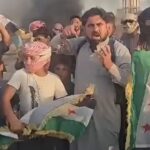
1. Clashes Erupt on the Lebanese-Syrian Border
Iraqi social media accounts are heavily focused on reports of intense fighting along the Lebanese-Syrian border. Posts from accounts like Haidar (Post Impact: 15%) and Sabereen news (Post Impact: 5%) share videos and images of what they describe as clashes between Lebanese tribes, supported by the Lebanese Army, and Syrian factions identified as “Al-Qaeda” or loyal to “Al-Jolani.” Many posts celebrate the actions of the Lebanese tribes, framing it as a defense against terrorism. Several accounts, including Haidar (Post Impact: 10%) and Wasan Al-Shaykhli (Post Impact: 10%), reported the killing of a Syrian faction leader named “Abu Arab Saraqib.” In response to the escalation, Haidar (Post Impact: 3%) noted that the Lebanese President announced he had given directives for the army to “respond to the sources of fire.”
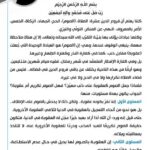
2. Faiq Al-Sheikh Ali Denounces “Militia System”
Politician Faiq Al-Sheikh Ali was a prominent voice, launching a series of sharp attacks against Iraq’s political establishment. In a high-engagement post, Faiq Al-Sheikh Ali/My word for history (Post Impact: 20%) described defenders of the “militia system in Iraq” with a string of insults, calling them “lowlife, mercenary… filthy sectarian, Iranian loyalist,” and concluded with the hashtag “#Tishreen_Revolution_will_be_victorious.” His commentary prompted reactions from other users. The account ALshabandr (Post Impact: 5%) criticized him for what it called consistent “drumbeating and cheering for the Americans” and predicted he would never attain power. Another account, {Iraq Platform} (Post Impact: 2%), labeled him and his online supporters as “agents” for America and Iran.
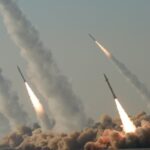
3. US Threatens Iran Over Houthi Attacks
A major topic of discussion was the direct threat issued by the US President against Iran concerning Houthi activities. Accounts such as Steven Nabil (Post Impact: 4%) and Rusly Al-Maliki (Post Impact: 5%) reported on Trump’s statement, with Nabil quoting him as saying, “every اطلاقة from the Houthi** from this moment will be looked at as a bullet launched from the weapons and leaders of Iran, Iran will bear the responsibility & the consequences, these consequences will be dire.” Salim Aljomaili (Post Impact: 6%) questioned whether the Houthis truly understood the potential repercussions of their actions. Analyst Liqaa Maki (Post Impact: 3%) suggested that Trump’s move may be a calculated strategy to force Iran into a confrontation to gain leverage regarding its nuclear program.
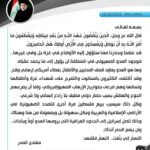
4. Al-Mashhadani’s “Shiite Region” Remarks Stir Controversy
A statement by Iraqi Parliament Speaker Mahmoud al-Mashhadani regarding the idea of a Shiite federal region has sparked significant backlash. Dr. Hanan Al-Fatlawi (Post Impact: 10%) strongly condemned the remarks, quoting al-Mashhadani as threatening that “whoever proposes the idea of establishing a Shiite region must be aware of the course of the Tigris and Euphrates rivers!!!” She called the statement “unfortunate” from the head of the legislature and said the country needs leaders who unite rather than threaten to cut off water or oil. Dr. Zaid Abdulwahab Al-A’adhami (Post Impact: 2%) also shared the quote, attributing it to the National News Center, contributing to the spread of the controversial comments online.
5. Accounts Allege Syrian Army is Fighting Hezbollah
A narrative celebrating alleged victories by the Syrian Army over Hezbollah is gaining traction. Mahdi Majeed (Post Impact: 10%) shared a video claiming to show “heroes of the Syrian Army pounding the strongholds of the terrorist Hezbollah.” In another post, he declared victory, stating, “Congratulations on Syria’s victory over Iran and Hezbollah,” and promoted a hashtag supporting Syria against the group. Similarly, David Yassin (Post Impact: 4%) referred to the border conflict as “the confrontation that had to happen… the Syrian Army against the terrorist Lebanese Hezbollah,” suggesting the events are part of a predetermined plan.
6. US-Iraq Communications on Factional Activity
High-level diplomatic communications between Washington and Baghdad regarding the activity of Iraqi armed factions were a key topic. According to Raad Hashim (Post Impact: 2%), citing a Shafaq News report, the US Secretary of Defense delivered a “stern warning” to Prime Minister Al Sudani that any intervention by Iraqi factions in support of the Houthis would trigger a “swift military response” inside Iraq. Rusly Al-Maliki (Post Impact: 3%) also reported on the call, stating that the US received “guarantees from the Iraqi government that the factions would not attack American forces in Iraq.” These posts highlight US pressure on the Iraqi government to control armed groups.
7. University Professor Dismissed for Inciting Sectarianism
A decision by the Iraqi Ministry of Higher Education to dismiss a university lecturer for “inciting sectarianism” was shared online. The account Haidar (Post Impact: 6%) posted an official document from the ministry regarding the dismissal of a professor at the Iraqi University. The news was met with approval by some users, such as Wasan Al-Shaykhli (Post Impact: 4%), who commented, “Well done, Your Excellency, Minister. There is no place for ISIS in our universities,” linking sectarian rhetoric with the extremist group.
8. Reports of Israeli Airstrikes in Southern Syria
News of Israeli military action in southern Syria was shared across several Iraqi accounts. Sufian Al-Samarrai (Post Impact: 5%) reported that “Israel is preparing to direct a devastating blow to a major target in the region,” noting that Israeli Prime Minister Netanyahu was meeting in a military command bunker. This was followed by more specific reports from accounts like Haidar (Post Impact: 4%), who detailed “large Israeli raids” targeting sites in Syria’s Daraa governorate, which led to dozens of casualties. ZaidBenjamin (Post Impact: 1%) also confirmed that the Israeli army was shelling positions in Daraa.
9. Accusations Against Qatar and Turkey for Supporting Syrian Militants
A narrative has emerged blaming Qatar and Turkey for backing extremist groups in Syria. Ahmad Abdulsada (Post Impact: 4%) claimed that the “control device for the Jolani and ‘Muslim Brotherhood’ terrorist gangs is in Turkey, and the charging batteries for this device are in Qatar.” He went on to suggest that a drone strike on Qatar would be sufficient to paralyze terrorist activity in the region. This sentiment was echoed by Steven Nabil (Post Impact: 3%), who highlighted a post from an account close to Kata’ib Hezbollah in Iraq that proposed a plan to attack the Amiri Palace and gas fields in Qatar using so-called “shadow factions.”
10. Speculation Over a Trillion-Dollar Iran-US Economic Deal
A potential major economic agreement between the United States and Iran is being discussed online, raising questions about its implications for regional dynamics. Ali Fadhil _ Ali Fadhil (Post Impact: 8%) pointed to a “proposed deal… to invest more than a trillion dollars in Iran” and pondered the future of Iranian proxies in Iraq, asking, “Will we remain tails or become independent?” The claim circulated on other accounts as well, with Raad Hashim (Post Impact: 2%) sharing a screenshot of the news and asking his followers if other sources could confirm its authenticity, indicating both interest and skepticism in the report.