2025-03-18: Anniversary of the 2003 Invasion of Iraq

Based on an analysis of 606 X / Twitter posts trending on March 18, 2025, Miqrab AI identified several key narratives circulating in Iraq. The dominant theme was the significant escalation of regional tensions, with a primary focus on the resumption of Israeli military operations in Gaza and the subsequent humanitarian crisis. This was closely linked to discussions about major geopolitical maneuvering, particularly a reported agreement between the United States and Russia regarding Iran’s capabilities, which fueled speculation about a wider conflict. Domestically, conversations revolved around the anniversary of the 2003 invasion, ongoing sectarian debates often rooted in historical religious interpretations, and security concerns such as alleged plots against national infrastructure and the recruitment of fighters for the conflict in Syria.
Table Of Content
- 1. Anniversary of the 2003 Invasion of Iraq
- 2. Trump, Putin, and Iran’s Regional Role
- 3. Cross-Border Resistance and Solidarity
- 4. Resumption of Israeli Attacks on Gaza
- 5. Controversial Historical and Sectarian Narratives
- 6. Iraqi Tribal Council Calls for Volunteers for Syria
- 7. Predictions of a Wider Imminent War in the Region
- 8. Alleged Plot to Bomb the Mosul Dam
- 9. US Openly Backs Israel’s Military Actions
- 10. Criticism of Hamas and Extremist Groups
Today’s Top 10 X (Twitter) Trends in Iraq:
1. Anniversary of the 2003 Invasion of Iraq
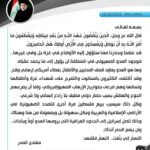
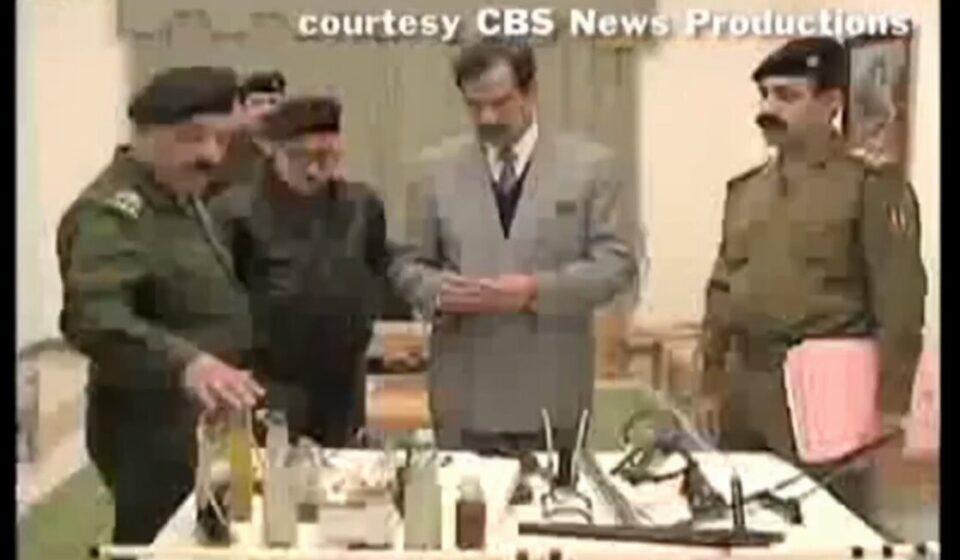
Accounts on X commemorated the anniversary of the 2003 US-led invasion of Iraq, sharing reflections on the conflict. Haidar (Post Impact: 100%) shared a video clip of Saddam Hussein claiming Iraq possessed domestically-made “qualitative weapons” to fight the international coalition. In a post remembering the Iraqi Armed Forces, Rusly Al-Maliki (Post Impact: 31%) paid tribute to the soldiers who fought until the end, describing them as “the last of our forts that fell after thirteen years of war and siege” and contrasting their sacrifice with those he labeled as collaborators and traitors.
2. Trump, Putin, and Iran’s Regional Role
A significant narrative focused on high-level geopolitical discussions involving the US, Russia, and Iran. Multiple accounts reported on a phone call between Donald Trump and Vladimir Putin. Rusly Al-Maliki (Post Impact: 41%) and Steven Nabil (Post Impact: 12%) both cited a White House statement indicating that Trump and Putin “agreed that Iran should not be in a position to be able to strike Israel.” This theme was broadened by Wasan Al-Shaikhli (Post Impact: 68%), who claimed that Trump had previously sent a message to Iran’s Supreme Leader Khamenei demanding concessions on its nuclear and missile programs and its support for regional allies, threatening economic and military consequences otherwise. Omar Abdul Sattar Mahmoud (Post Impact: 9%) also reported on the agreement between the two leaders.
3. Cross-Border Resistance and Solidarity
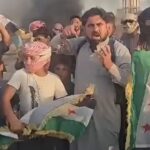
Posts with high engagement highlighted a narrative of regional solidarity among groups opposed to the US and Israel. Abu Alaa Al-Walaei (Post Impact: 64%) declared, “Yemen will not be alone, just as Gaza and Beirut were not alone,” arguing that if the United States supports the killing of people in the region, it cannot stop others from supporting the “innocent.” In a related post, Haidar (Post Impact: 62%) shared a video allegedly from Daraa, Syria, showing people chanting “We are coming, O Karbala.” He reported this occurred one day after an Israeli strike in the city that killed several Syrian citizens and destroyed Syrian army assets.
4. Resumption of Israeli Attacks on Gaza
Numerous accounts reported on the end of the ceasefire and the renewal of intense Israeli military operations in the Gaza Strip. Haidar (Post Impact: 14%) announced the return to war with air, land, and sea attacks across Gaza. Othman Al-Mukhtar (Post Impact: 11%) described the attacks as “massacres of genocide carried out by the United States and ‘Israel'” and lamented the high number of casualties, particularly women and children. Similarly, Ammar Al-Hakim (Post Impact: 9%) condemned the continued bombing despite the ceasefire resolution and urged the international community to compel Israel to adhere to UN Security Council Resolution 2735. Ezzat Alshabandar (Post Impact: 7%) blamed the renewed violence on both Netanyahu and Trump.
5. Controversial Historical and Sectarian Narratives
Discussions with strong sectarian undertones emerged, focusing on controversial interpretations of early Islamic history. Wasan Al-Shaikhli (Post Impact: 62%) made a provocative claim, stating, “The first sectarian terrorist massacre that took place in Islam was carried out by Abu Bakr and Khalid bin Al-Walid,” accusing them of killing the tribe of Malik ibn Nuwayra and enslaving their women. This theme of historical grievances being relevant today was echoed by Ahmed Al-Thawaq (Post Impact: 29%), who reflected that while he once doubted sermons about historical animosity towards Imam Ali, he now sees people who “are proud of their hostility and killing of the followers of Ahl al-Bayt.”
6. Iraqi Tribal Council Calls for Volunteers for Syria
Several accounts reported on the formation of an Iraqi tribal group calling for volunteers to intervene in the Syrian conflict. Shaho Al-Qaradaghi (Post Impact: 32%) and Raad Hashim (Post Impact: 24%) both shared a video statement from a group calling itself the “Unified Tribal Council,” which announced it was opening recruitment to confront the government of “Ahmed al-Sharaa” in Syria. Othman Al-Mukhtar (Post Impact: 18%) attributed this mobilization to Asa’ib Ahl al-Haq leader Qais Khazali, describing it as an effort to establish an armed sectarian movement to interfere in Syria under orders from Iran’s Supreme Leader.
7. Predictions of a Wider Imminent War in the Region
A sense of impending, large-scale conflict was a prominent theme, with analysts forecasting a major escalation. Aayad Al Twfan (Post Impact: 41%) drew a parallel between the current gathering of US aircraft carriers in the region and the buildup before the 2003 invasion of Iraq. Sufian Al-Samarrai (Post Impact: 24%) claimed that strikes would soon hit Iran, Iraq, Syria, Lebanon, and Yemen with a force greater than seen in past regional wars. David Yassin (Post Impact: 23%) warned of an “unprecedented escalation” in the coming hours and days, stating that Israeli strikes would expand geographically and that Iran was being cornered.
8. Alleged Plot to Bomb the Mosul Dam
An alarming domestic story circulated, alleging a high-level official proposed destroying the Mosul Dam. Mustafa Al-Dulaimi (Post Impact: 31%) posted a video clip claiming that a prime minister’s advisor “wants to blow up the Mosul Dam and completely flood Sunni Iraq and considers this a legitimate right.” Omar Abdul Sattar Mahmoud (Post Impact: 24%) echoed this concern, linking the alleged threat to past events like the bombing in Samarra, suggesting a pattern of destructive actions for political gain.
9. US Openly Backs Israel’s Military Actions
Posts highlighted explicit support from the United States for Israel’s renewed military campaign. Zaid Benjamin (Post Impact: 17%) reported a White House statement confirming that “President Trump supports Netanyahu’s return to the war and has sent bombers and aircraft carriers to defend the state of Israel.” Rusly Al-Maliki (Post Impact: 15%) quoted White House spokesperson Caroline Leavitt as saying, “The gates of hell are about to open, Trump will defend Israel.” Benjamin also noted in a separate post that the White House confirmed Israel had consulted with the US before launching the attacks.
10. Criticism of Hamas and Extremist Groups
Some accounts directed criticism at Hamas and other militant groups for their role in the conflict and their actions against other communities. Mahdi Majeed (Post Impact: 28%) argued that if Hamas had released its fifty hostages from the beginning, Gaza would not have been destroyed, blaming their refusal for the resumption of Israeli bombing. In a series of posts, Essam Hussein (Post Impact: 30%) stated that extremist groups only use car bombs and suicide bombers against Shiites, Alawites, Yazidis, and Christians, but when it comes to Israel, “they have nothing but prayers.”