2025-03-28: Outrage Over Alleged Assault on Pilgrim in Mecca

Based on an analysis of 501 X / Twitter posts by Miqrab AI on March 28, 2025, the primary narratives circulating in Iraq are dominated by regional tensions and domestic political commentary. The most viral story, generating significant outrage, involves a video allegedly showing a Saudi security officer assaulting a female pilgrim in Mecca. Another major topic is the growing friction between Iraq and Jordan, fueled by videos of Jordanian football fans chanting insults at Iraqis, which has led to calls for diplomatic action and boycotts. Concurrently, discussions around International Quds Day highlighted pro-Palestinian sentiment, but with observations of lower-than-usual participation in Baghdad. Debates also surged around US-Iran relations, particularly concerning reported US demands for the dissolution of Iraq’s Popular Mobilization Forces (PMF), which sparked conversations about national sovereignty. Internal Iraqi affairs, including altercations between public figures, criticism of tribal rhetoric, and commentary on the new leadership in Syria, were also prominent themes.
Table Of Content
- 1. Outrage Over Alleged Assault on Pilgrim in Mecca
- 2. Iraq-Jordan Tensions Rise Over Offensive Football Chants
- 3. Political and Public Figures Commemorate Al-Quds Day
- 4. US-Iran Tensions and Reported Demands to Disband the PMF
- 5. Poets’ Altercation Between Al-Burki and Al-Khashmani Goes Viral
- 6. Commentary on Political Shifts and Appeals in Syria
- 7. Discussion on Saudi-Egyptian Relations and Online Tensions
- 8. Criticism of Inflammatory Tribal Rhetoric Threatening Syria
- 9. Media Personality Aliaa Al-Yasiri Criticized
- 10. Iraqi Activists Attend Iftar at the White House
Today’s Top 10 X (Twitter) Trends in Iraq:
1. Outrage Over Alleged Assault on Pilgrim in Mecca
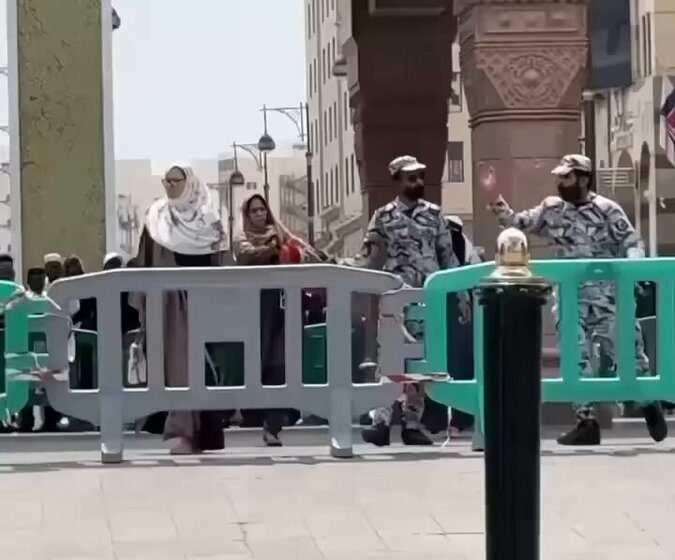
A video allegedly depicting a member of the “Saudi Security” militias violently beating a female pilgrim at the Grand Mosque in Mecca has sparked widespread condemnation. The post, shared by Haydar (Post Impact: 100%), describes the location as the “occupied Holy Mosque in Mecca” and frames the incident as an act of brutality by Saudi forces. The high engagement with this post indicates significant anger and concern among Iraqi social media users over the treatment of pilgrims in Saudi Arabia. The narrative strongly criticizes the Saudi authorities, portraying them as aggressive and disrespectful within the holiest site in Islam.
2. Iraq-Jordan Tensions Rise Over Offensive Football Chants
A significant online dispute has erupted between Iraq and Jordan following the circulation of videos showing Jordanian football fans directing offensive chants at Iraqis. In response to the Jordanian Football Association’s claim that the video was fabricated, accounts like Steven Nabil (Post Impact: 7%) and Tamara Alkhazraji (Post Impact: 4%) shared new footage from different angles to prove its authenticity, urging Jordanian officials to apologize and hold the perpetrators accountable rather than issuing denials. The incident prompted Iraq’s Minister of Youth and Sports to call for diplomatic action, as reported by Muna Sami (Post Impact: 2%). In retaliation, some users, including Wasan Al-Shaikhli (Post Impact: 2%), called for a popular boycott of Jordanian products. Haydar (Post Impact: 7%) noted that Jordan’s Foreign Minister contacted his Iraqi counterpart to announce an investigation into the incident.
3. Political and Public Figures Commemorate Al-Quds Day
Political and religious leaders, along with their supporters, actively marked International Quds Day across Iraq. Prominent figures like Qais Al-Khazali (Post Impact: 22%) and Ammar Al-Hakim (Post Impact: 2%) shared posts expressing solidarity with the Palestinian cause. Former Prime Minister Adil Abd Al-Mahdi (Post Impact: 6%) was shown participating in the Quds Day march in Yemen. Marches were held in Iraqi cities, including Diwaniyah, as shown by Wesam Aziz (Post Impact: 3%). However, Haydar (Post Impact: 2%) observed that the events in Baghdad were small and lacked a military parade, attributing the “very modest Iraqi participation” to recent insults directed at the Iraqi people by Palestinians and Jordanians.
4. US-Iran Tensions and Reported Demands to Disband the PMF
Discussions intensified regarding US-Iran relations after reports that President Trump had sent a message to Tehran with three demands: dismantling its nuclear and ballistic missile programs and dissolving the Iraqi Popular Mobilization Forces (PMF). According to Rusly Al-Maliki (Post Impact: 4%), Iran’s ambassador to Iraq stated that dissolving the PMF was “unacceptable.” This statement drew criticism from users like Dr. Majid Shingali (Post Impact: 2%), who called it a dangerous interference in Iraq’s internal affairs. In response to these reports, prominent politician Ezzat Alshabandar (Post Impact: 3%) affirmed that the PMF is an Iraqi military institution and any foreign request for its dissolution is “blatant, offensive, and rejected interference.”
5. Poets’ Altercation Between Al-Burki and Al-Khashmani Goes Viral
Videos showing a physical and verbal altercation between Iraqi poets Adnan Al-Burki and Walid Al-Khashmani circulated widely. Accounts like Sumerian Letters (Post Impact: 6%) and Abu Drandash Al-Askari (Post Impact: 3%) shared clips of the incident, with many commentators siding with Al-Burki. The context provided by several users, including Dr. Hussein Al-Safi (Post Impact: 2%), alleges that Al-Khashmani was a prominent poet who supported ISIS and was a former army officer who deserted to join the terrorist group. Abbas Al-Ardawi (Post Impact: 2%) also criticized Al-Khashmani for his alleged past and questioned why Shia ministers currently associate with him.
6. Commentary on Political Shifts and Appeals in Syria
Iraqi social media users closely followed developments in Syria. Hassan Al-Kaabi (Post Impact: 16%) reported that Hay’at Tahrir al-Sham leader Al-Jolani is “begging” the Shia community in Damascus to persuade global Shia communities to resume religious tourism to the Sayyidah Zaynab shrine after “Sham went bankrupt.” In a different context, Iraqi National Security Advisor Qasim al-Araji (Post Impact: 13%) praised the “important position of the Syrian President, Mr. Ahmed al-Sharaa,” for his efforts to unite all Syrians to build and stabilize the country. Al-Araji stated that “Nations are built with unity and social cohesion.”
7. Discussion on Saudi-Egyptian Relations and Online Tensions
A high-impact post by Haydar (Post Impact: 21%) expressed dismay over what he described as a negative campaign on Saudi social media against Egypt. The user defended Egypt’s historical contributions to Saudi Arabia and the Gulf, highlighting its military participation in liberating the Gulf in 1991, the role of Egyptian teachers in the Saudi education system, and the significant contribution of Egyptian labor to building the kingdom’s infrastructure. The post lamented the “forgetfulness” of these contributions and warned against “sedition supported by the Zionist entity to tear apart the unity of the Arab and Islamic nation.”
8. Criticism of Inflammatory Tribal Rhetoric Threatening Syria
Former MP Mishan Al-Jabouri (Post Impact: 8%) condemned a video of a tribal gathering where a poet used “obscene words against a head of state,” threatened to invade Syria, and invoked the names of Muqtada al-Sadr and Grand Ayatollah Sistani to incite violence. Al-Jabouri described the speech as “dangerous, sectarian, and rejected,” warning that such rhetoric fuels sedition. He drew a parallel to the period before Saddam Hussein’s invasion of Kuwait, where similar displays took place, ultimately leading Iraq to disaster, and concluded with the question, “Will we learn our lesson?”
9. Media Personality Aliaa Al-Yasiri Criticized
Media personality Aliaa Al-Yasiri came under fire for allegedly referring to the Arabian Gulf as the “Persian Gulf.” The account Hiba Al-Nnayib (Post Impact: 8%) criticized Al-Yasiri, whom she called a “media personality of the Iranian Hashd,” claiming the statement was made to “satisfy her Magian masters.” The post reflects ongoing sensitivities in Iraq and the wider Arab world regarding the naming of the Gulf, which is often tied to political loyalties and national identity.
10. Iraqi Activists Attend Iftar at the White House
Accounts reported on the participation of Iraqi activists at an Iftar dinner hosted by President Trump at the White House. Mahdi Majeed (Post Impact: 3%) stated that, as part of efforts to “change the corrupt system in Iraq,” young Iraqis attended the event for the first time and presented a project to change the “regime of Iran’s proxies in Iraq.” Entifadh Qanbar (Post Impact: 2%) also posted about the dinner, indicating a push by some Iraqi opposition figures to engage directly with US leadership.