2025-04-16: Backlash Over Lebanese President’s Hashd al-Shaabi Remarks

Based on an analysis of 535 X / Twitter posts by Miqrab AI on April 16, 2025, the social media landscape in Iraq is dominated by intense political debates and reactions to regional events. The most significant conversations revolve around a controversial statement by the Lebanese President regarding Iraq’s Hashd al-Shaabi (Popular Mobilization Forces), sparking widespread condemnation from pro-Hashd accounts and support from others, and leading to diplomatic action from the Iraqi government. Another major narrative is the strong public backlash against a rumored invitation for Syrian leader Ahmed al-Sharaa (Abu Mohammad al-Jolani) to visit Baghdad, with users sharing his alleged criminal history in Iraq. Domestic politics also feature prominently, with discussions about a quickly deleted social media post by Prime Minister Mohammed Shia’ al-Sudani and activities of the Sadrist movement. Rounding out the key themes are posts from political leaders sharing their visions at a major forum, congratulations to the Yazidi community on their New Year, and commentary on US-Iran relations.
Table Of Content
- 1. Backlash Over Lebanese President’s Hashd al-Shaabi Remarks
- 2. Outrage Over Potential Al-Jolani Visit to Baghdad
- 3. PM Al-Sudani’s Alleged Deleted Election Post
- 4. Sadrist Figure’s High-Impact Religious Post
- 5. Leaders Share Visions at Sulaimaniyah Forum
- 6. Officials Congratulate Yazidi Community on New Year
- 7. Accounts Discuss US-Iran Diplomatic Tensions and Negotiations
- 8. Kurdish Leaders Commemorate Balisan Chemical Attack
- 9. Sadrist Leader Muqtada al-Sadr’s Recent Activities
- 10. Criticism of Iranian Regional Influence and Ideology
Today’s Top 10 X (Twitter) Trends in Iraq:
1. Backlash Over Lebanese President’s Hashd al-Shaabi Remarks
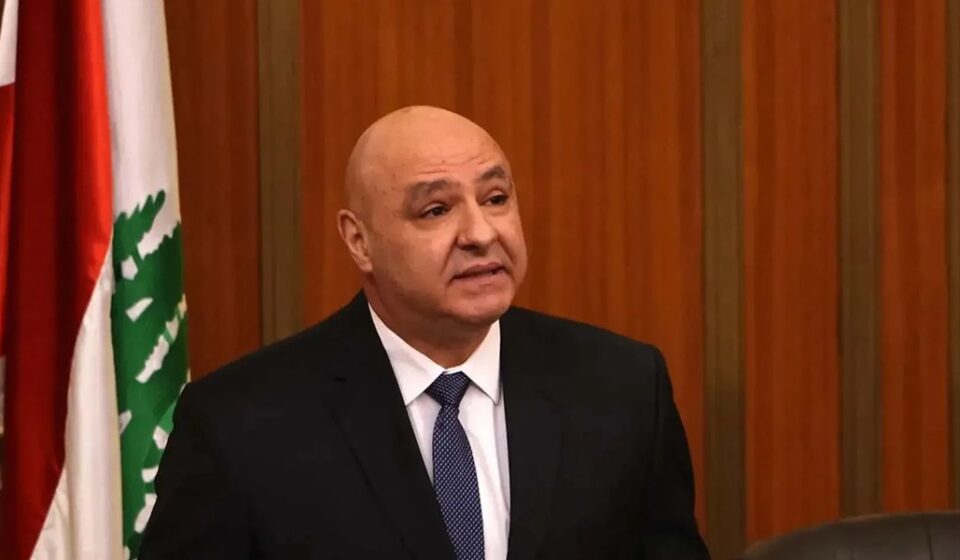
A statement by Lebanese President Joseph Aoun that Lebanon should not replicate the experience of Iraq’s Hashd al-Shaabi (Popular Mobilization Forces) has triggered a significant and divided reaction on Iraqi X/Twitter, leading to diplomatic repercussions. Pro-PMF accounts like Abu Azrael (Post Impact: 53%) sharply criticized Aoun, calling him “racist and sectarian” and boasting that the PMF’s numbers far exceed those of the Lebanese army. Similarly, Ezzat Alshabandar (Post Impact: 13%) defended the Hashd as a “sacred” response to terrorism and a page of honor that cannot be replicated. In response to the remarks, the Iraqi Foreign Ministry summoned the Lebanese ambassador in Baghdad, a move reported by accounts like Haider (Post Impact: 15%). Conversely, other political figures supported Aoun’s position. Faig Alsheakh Ali/My Word for History (Post Impact: 30%) stated the Iraqi government should not be upset, arguing that Iraq itself should move away from such experiences in favor of “one authority and one army only.” This sentiment was echoed by Najeh Abbas Al-Mizan (Post Impact: 16%), who praised the statement.
2. Outrage Over Potential Al-Jolani Visit to Baghdad
A significant wave of condemnation has spread across Iraqi social media following reports that Prime Minister Mohammed Shia’ al-Sudani invited Syrian leader Ahmed al-Sharaa, widely known as Abu Mohammad al-Jolani, to an Arab summit in Baghdad. Numerous accounts expressed outrage, branding Jolani a terrorist responsible for the deaths of Iraqis. Abu Mzeal (Post Impact: 40%) posted a picture of Jolani with the caption “Not welcome, murderer of Iraqis.” Yousif Al-Kilaby (Post Impact: 16%) warned the Prime Minister to reconsider, stating that Iraq, fragrant with the blood of martyrs, will not welcome the terrorist Jolani. To underscore the opposition, accounts like Haider (Post Impact: 25%) and Sabereen News (Post Impact: 7%) circulated documents and details of Jolani’s 2005 arrest by Iraqi forces in Mosul and his past as a key aide to Abu Musab al-Zarqawi. Ahmad Abdulsada (Post Impact: 11%) summarized the sentiment by stating, “Jolani is not welcome in Iraq. This is the general popular position.”
3. PM Al-Sudani’s Alleged Deleted Election Post
Prime Minister Mohammed Shia’ al-Sudani became the subject of online discussion and ridicule after he allegedly posted and then quickly deleted an announcement of his candidacy for the upcoming elections from his official Facebook page. The story was covered by the account Haider (Post Impact: 11%), which claimed the post was removed after receiving over 5,000 “laugh” reactions from users. In a follow-up post, Haider (Post Impact: 13%) noted the post received over 1,200 “laugh” reactions within the first five minutes. The incident was also highlighted by Hiba Al-Nnayib (Post Impact: 5%), who humorously questioned if it was an election campaign or a comedy show, remarking, “The public didn’t vote, they just laughed!”
4. Sadrist Figure’s High-Impact Religious Post
A post by the influential account Leader’s Minister – Salih Muhammad Al-Iraqi (Post Impact: 79%), which is associated with the Sadrist movement, garnered massive engagement. The post, which included a video, was a religious commemoration of Imam Musa ibn Ja’far al-Kadhim, referring to him by his title “Kadhim al-Ghaydh” (the one who suppresses anger). The high impact of this single post highlights the significant online reach and resonance of religious messaging from figures connected to Muqtada al-Sadr among the Iraqi social media audience.
5. Leaders Share Visions at Sulaimaniyah Forum
The Sulaimaniyah International Forum served as a platform for prominent Iraqi leaders to share their political and economic visions, with their speeches being amplified on X/Twitter. Ammar Al-Hakim (Post Impact: 7%) shared a detailed summary of his remarks, touching on the need for a US-Iran dialogue, the necessity of the state holding a monopoly on weapons, and support for the current election law. Kurdistan Region Prime Minister Masrour Barzani (Post Impact: 6%) also posted about his participation, stressing the need for “unity, responsible leadership, and institutions that put citizens first” as the region undergoes change. Meanwhile, Rusly Al-Maliki (Post Impact: 5%) commented on Prime Minister Al-Sudani’s speech at the same event, describing it as “balanced, rational, and positive,” though expressing skepticism that the issue of weapons outside state control could be solved.
6. Officials Congratulate Yazidi Community on New Year
Iraqi political and institutional leaders shared messages of congratulations with the Yazidi community on the occasion of the Yazidi New Year. Prime Minister Mohamed Shia Al-Sudani (Post Impact: 5%) issued a statement affirming his government’s work to rectify past injustices against Yazidis and to rebuild their areas. The Media Directorate – Popular Mobilization Authority (Post Impact: 7%) extended its “warmest congratulations,” praising the Yazidi component’s deep cultural and civilizational role in Iraq’s national fabric. Similarly, prominent political figures like Ammar Al-Hakim (Post Impact: 7%) and Kurdistan Region Deputy Prime Minister Qubad Talabani (Post Impact: 6%) also posted well wishes, praying for peace and security for the Yazidi people and all of Iraq.
7. Accounts Discuss US-Iran Diplomatic Tensions and Negotiations
The complex relationship between the United States and Iran, particularly regarding negotiations and regional influence, was a topic of discussion. Raad Hashim (Post Impact: 5%) reported that the U.S. now wants to dismantle Iran’s entire armament program, not just its nuclear program, to reach an agreement. Omar Abdal Sattar Mahmoud (Post Impact: 4%) cited a report from Oil Price, claiming that a key condition from the Trump administration for talks with Tehran is respecting Iraq’s sovereignty and allowing the disarmament of factions. On a more satirical note, Najeh Abbas Al-Mizan (Post Impact: 7%) mocked the changing locations for talks, suggesting Iran’s Supreme Leader Khamenei is “defeated and surrendered” and would accept any meeting location to gain Trump’s approval.
8. Kurdish Leaders Commemorate Balisan Chemical Attack
Leaders from the Kurdistan Region of Iraq took to X/Twitter to commemorate the 38th anniversary of the chemical massacre in Balisan, Sheikh Wasanan, and the Khoshnawati Valley. Kurdistan Region Prime Minister Masrour Barzani (Post Impact: 6%) posted a message stating, “Their sacrifice continues to keep us strong and resilient.” Similarly, Kurdistan Region President Nechirvan Barzani (Post Impact: 4%) paid tribute to the martyrs of the attack, describing it as part of a series of crimes by the former regime aimed at breaking the will of the Kurdish people. Both leaders emphasized that unity and service to Kurdistan are the best ways to honor the victims’ sacrifices.
9. Sadrist Leader Muqtada al-Sadr’s Recent Activities
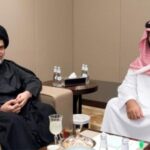
The activities and image of Sadrist leader Muqtada al-Sadr were a subject of discussion. The account Hisham Ali :: husham ali (Post Impact: 6%) reported on a meeting between Al-Sadr and the Senior Undersecretary of the Ministry of Interior, Hussein Al-Awadi, in Al-Hanana. In a separate post, Alaa Alabadi (Post Impact: 9%) defended the Sadrist leader against what he described as a smear campaign involving millions of dollars and thousands of paid accounts. He asserted that despite these efforts, “Al-Sadr emerged pure and white like his martyred father.” These posts indicate an effort to project an image of Al-Sadr as both a relevant political actor engaged with state officials and a resilient figure of integrity.
10. Criticism of Iranian Regional Influence and Ideology
Several accounts posted commentary critical of Iran’s ideological and political influence in the region. Sheikh Thaer Al-Bayati (Post Impact: 17%) shared a clip of personality Abu Ali Al-Shibani denouncing Iran’s “Wilayat al-Faqih” (Guardianship of the Jurist) system, interpreting it as a sign that the “Iranian Mahdi project has ended.” The Sheikh commented that Al-Shibani, who he claims spent his life promoting “Iranian Mahdism,” has now awakened and is calling its proponents “thieves and liars in the name of religion.” In a different post, Salem Al-Jumaili (Post Impact: 10%) shared an image suggesting that after 45 years, it has become clear that “America was right and Iran was wrong.”