2025-05-16: Militia-Affiliated Accounts Assert Shia Strength

Based on an analysis of 541 X / Twitter posts trending on May 16, 2025, Miqrab AI identified several key narratives circulating in Iraq. The discourse was dominated by assertive sectarian and political messaging from militia-affiliated figures, particularly in response to former U.S. President Trump’s regional activities. A significant domestic controversy erupted over comments made by MP Alyaa Nassif comparing the Tishreen protest movement to terrorist groups, drawing widespread condemnation. Concurrently, there was considerable focus on the Arab Summit being held in Baghdad, with posts tracking the arrival of leaders and expressing hopes for its success. Other prominent topics included debates surrounding the political rehabilitation of Syrian leader Ahmed al-Sharaa (formerly Al-Jolani), the arrest of a Hezbollah member for allegedly spying for Israel, and the remembrance of historical sectarian violence.
Table Of Content
- 1. Militia-Affiliated Accounts Assert Shia Strength
- 2. Backlash Against MP Equating Tishreen with Terrorism
- 3. Anticipation and Arrivals for the Arab Summit in Baghdad
- 4. Generational Divide Highlighted in Viral Image
- 5. Debate on Syrian Figure Al-Jolani’s Meeting with Trump
- 6. Hezbollah Member Arrested as Alleged Mossad Spy
- 7. Sectarian Remarks by Mashaan Al-Jabouri Spark Controversy
- 8. Remembering Past Massacres and Sectarian Violence
- 9. Pro-Tishreen Sentiment and Defense of the Movement
- 10. Criticism of Gulf Countries’ Financial Dealings with Trump
Today’s Top 10 X (Twitter) Trends in Iraq:
1. Militia-Affiliated Accounts Assert Shia Strength
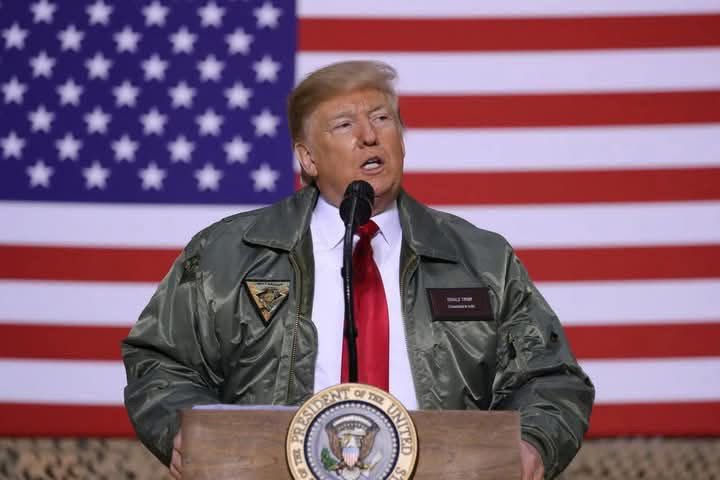
Accounts associated with Iraqi armed factions posted messages of strength and defiance, contrasting their perceived bravery with the actions of other Arab leaders. Abu Azrael – Abu Azrael (Post Impact: 70%), a prominent figure in the Popular Mobilization Forces, shared a post criticizing Arab leaders for paying trillions to former U.S. President Donald Trump, whom he claims entered Iraq covertly in 2018. He asserts, “Everyone is a coward except for the Shiites of the Commander of the Faithful.” This sentiment of projecting power was echoed by Qais Al-Khazali (Post Impact: 51%), leader of Asa’ib Ahl al-Haq, who posted an image of himself with other figures in a show of unity and strength. These posts frame a narrative of Shia resilience and moral superiority in the face of perceived weakness and subservience in the wider region.
2. Backlash Against MP Equating Tishreen with Terrorism
A significant controversy erupted following remarks by Member of Parliament Alyaa Nassif, in which she reportedly described the Tishreen protest movement as a historical turning point comparable to the eras of Al-Qaeda and ISIS. This comparison drew widespread condemnation from numerous accounts, which defended the legitimacy of the protests. Bahaa khaleel Bahaa khaleel (Post Impact: 3%) questioned whether a young protester who was killed was a “Daeshi or a Zionist-American agent.” Safaa Al-Asadi (Post Impact: 4%) wrote a lengthy rebuttal, stating, “Tishreen did not raise the flag of Israel, but raised the Iraqi flag.” Other critics like Yasser Eljuboori – ياسر الجبوري (Post Impact: 4%) called it a “disgrace” for her to represent Iraqis. In response, Alyaa Nassif (Post Impact: 5%) issued a clarification, stating she was merely contextualizing Tishreen as a significant event that led to the fall of a government and that her words were twisted by “those who fish in troubled waters.”
3. Anticipation and Arrivals for the Arab Summit in Baghdad
The upcoming 34th Arab League Summit in Baghdad was a major topic of discussion, with users sharing updates on the arrival of Arab leaders and expressing hopes for a successful event. Haidar (Post Impact: 2%) reported on the arrival of Palestinian President Mahmoud Abbas, while another post from Haidar (Post Impact: 6%) noted the arrival of Spanish Prime Minister Pedro Sánchez as a guest of honor. High-level attendance from Gulf leaders, including Saudi Crown Prince Mohammed bin Salman and UAE President Mohammed bin Zayed, was anticipated by accounts like Mazin AlEshaiker 🇮🇶 (Post Impact: 10%). Former Foreign Minister Hoshyar Zebari (Post Impact: 5%) expressed optimism that the summit would be a success and well-represented at the highest levels. This was slightly tempered by a post from Rusly Al-Maliki 🇮🇶 رسلي المالكي (Post Impact: 14%), who shared a clip of Zebari also warning of “dangerous events after the Arab Summit.”
4. Generational Divide Highlighted in Viral Image
A powerful image shared by Wasan Al-Shaikhli (Post Impact: 100%) sparked conversation about Iraq’s future by contrasting two distinct visions of the country’s youth. The image is a diptych showing a group of young boys in military-style attire holding rifles on one side, and a group of schoolchildren in uniforms sitting at desks on the other. Al-Shaikhli’s accompanying text, “These are our generations and those are their generations, let’s wait and see who will prevail?”, frames the photo as a stark choice between a future defined by militarism and one defined by education. The post’s exceptionally high impact suggests this theme of generational and cultural conflict resonates deeply with the Iraqi audience on the platform.
5. Debate on Syrian Figure Al-Jolani’s Meeting with Trump
The meeting between former U.S. President Donald Trump and Syrian leader Ahmed al-Sharaa, formerly known as Abu Mohammad al-Jolani, generated significant commentary and criticism. Users highlighted the irony of a figure once designated a terrorist by the U.S. now engaging in high-level diplomacy. Issam Hussein (Post Impact: 11%) sarcastically noted, “Al-Jolani sent thousands of Sunni youth to have lunch with the Prophet while he went to have dinner with Trump.” Najah Mohammed Ali (Post Impact: 8%), writing in Persian, contrasted Syrian President Bashar al-Assad, who was never officially designated a terrorist, with al-Jolani, who was, questioning who the West sees as the real enemy. Similarly, Hassan Al-Kaabi | H𝕒𝕤𝕤𝕒n A𝕝𝕜𝕒𝕒𝕓i (Post Impact: 5%) shared an image of the meeting with the comment, “He sent thousands of suicide bombers to have lunch with the Prophet and went to have dinner with Trump.”
6. Hezbollah Member Arrested as Alleged Mossad Spy
News circulated widely about the arrest of Mohamed Hadi Saleh, a Lebanese religious chanter associated with Hezbollah, on charges of spying for Israel’s Mossad. Several accounts shared details of the case, claiming he was recruited in Iraq and provided coordinates of his comrades to be targeted by Israel. Rusly Al-Maliki 🇮🇶 رسلي المالكي (Post Impact: 8%) identified Saleh as the “chanter of the resistance axis in Lebanon and a member of Hezbollah formations.” Haidar (Post Impact: 7%) provided a detailed summary of the alleged confession, stating Saleh was recruited via a Facebook ad and was motivated by money. Hiba Alnnayib HIBA Alnnayib (Post Impact: 5%) used the incident to criticize the “resistance axis,” commenting that he would provide intelligence on his comrades and then participate in their funerals.
7. Sectarian Remarks by Mashaan Al-Jabouri Spark Controversy
A post by politician Mashaan Al-Jabouri (Post Impact: 13%) sparked a debate over sectarian rhetoric. Al-Jabouri quoted a Syrian leader saying, “Sham is the trust of Abu Ubaidah and Khalid,” and commented that while this may mean little to Shiites, for Sunnis, it makes the “body tremble.” He argued that just as Najaf and Karbala have their status, “Sham Sharif” holds a special place in the hearts of Sunnis, calling for mutual respect of symbols. This statement was immediately challenged by Haidar (Post Impact: 6%), who questioned the double standard, asking Al-Jabouri, “Why then, when some say ‘the Iraq of Ali and Hussein’ and ‘the Baghdad of the Jawadayn,’ do you get angry and consider it sectarian?!” The exchange highlights the sensitive nature of historical and religious symbolism in Iraqi political discourse.
8. Remembering Past Massacres and Sectarian Violence
Several posts on May 16th were dedicated to commemorating victims of Iraq’s violent past, highlighting ongoing grievances. Othman Al-Mukhtar (Post Impact: 13%) commemorated the anniversary of the 2005 massacre at the Al-Firdaws and Al-Shaab mosques in eastern Baghdad, where 46 worshippers were allegedly abducted and killed by elements of the “Wolf Brigade” security forces. He noted this sectarian targeting occurred before the 2006 Samarra bombings. In a related theme of remembrance, Ammar Al-Hakim | عمار الحكيم (Post Impact: 4%) marked the National Day for Mass Graves, calling it the “minimum level of loyalty” to victims of both the Ba’athist regime and later terrorist groups. He urged for continued efforts to find missing persons and compensate victims’ families.
9. Pro-Tishreen Sentiment and Defense of the Movement
In addition to direct criticism of MP Alyaa Nassif, several users posted general messages of support for the Tishreen protest movement, honoring its martyrs and reaffirming its goals. Faiq Al-Sheikh Ali/كلمتي للتاريخ (Post Impact: 13%) posted a video related to the protests with the hashtag “#The_Tishreen_Revolution_Will_Triumph.” Hussam Alhaj (Post Impact: 9%) described Tishreen as the “conscience of the people and a cry in the face of the corrupt,” which will remain terrifying to anyone involved in corruption. Zainab Rabee (Post Impact: 6%) addressed Iraq’s political class directly, stating, “You are a ransom for every drop of blood shed in Tishreen… you thieves, you agents.” These posts reflect a continued and passionate defense of the protest movement’s legacy.
10. Criticism of Gulf Countries’ Financial Dealings with Trump
The financial relationship between Gulf countries and former U.S. President Donald Trump was a subject of mockery and criticism. Issam Hussein (Post Impact: 4%) sarcastically commented on the “4 trillion dollars” paid to Trump, joking, “The Gulf people have the right to pay 4 trillion to Trump because he called them handsome.” He contrasted this with ordinary people who get a fever for a week if they have to pay for a friend’s lunch. Sufian Samarrai (Post Impact: 4%) criticized Qatar’s leadership for allegedly gathering over a trillion dollars for deals with Jewish and Zionist companies while simultaneously calling on Arabs to boycott American brands like Coca-Cola and Starbucks. The posts depict Gulf leaders as being easily manipulated by praise and financially subservient to U.S. interests.