2025-06-27: Muqtada al-Sadr’s Message Signals Start of Muharram

Based on an analysis of 618 X/Twitter posts trending on June 27, 2025, by Miqrab AI, the primary narratives in Iraq are dominated by the escalating regional conflict between the US, Israel, and Iran, and rising domestic sectarian tensions ahead of the Islamic month of Muharram. The most engaged-with content came from cleric Muqtada al-Sadr, signaling the start of religious observances, which coincided with widespread online accusations of both anti-Shia and anti-Sunni incitement. Concurrently, discussions were rife with commentary on US President Trump’s aggressive rhetoric towards Iran’s leadership, analyses of Israeli military actions, and internal Iraqi critiques of Iranian influence and the role of its allied militias. Other significant conversations included warnings from the religious authority in Karbala about a “coming storm” for Iraq and early political posturing for the 2025 elections.
Table Of Content
- 1. Muqtada al-Sadr’s Message Signals Start of Muharram
- 2. US-Iran Tensions and Trump’s Statements Dominate Discussion
- 3. Rising Sectarian Tensions Ahead of Muharram
- 4. Critiques of Iranian Influence and Proxies in Iraq
- 5. Sistani’s Representative Warns of a “Coming Storm” for Iraq
- 6. PMF Leader Abu Alaa al-Walai on Regional Conflict
- 7. Debate Over Iranian Military and Foreign Policy
- 8. Israeli Intelligence Operations and Threats against Iran and Hezbollah
- 9. Speculation on Hezbollah’s Future Leadership
- 10. Early Political Posturing for 2025 Elections
Today’s Top 10 X (Twitter) Trends in Iraq:
1. Muqtada al-Sadr’s Message Signals Start of Muharram
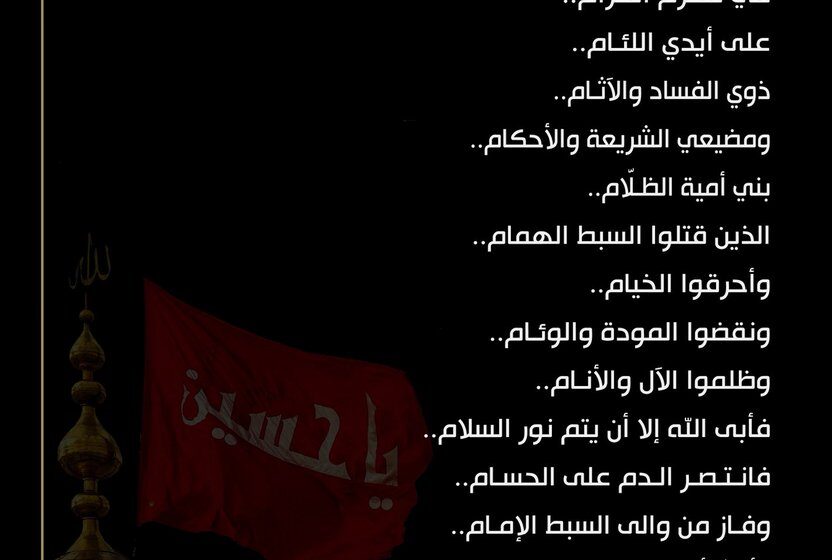
The most impactful post came from cleric Muqtada al-Sadr (Post Impact: 100%), who shared an image with the phrase “لبيك يا حسين” (“At your service, O Hussein”), a traditional slogan marking the beginning of the mourning period of Muharram. The post, which contained no other text, was widely interpreted as a call to his followers to prepare for the religious rituals. This was amplified by supporters like Wasan Al-Shaykhli (Post Impact: 11%), who urged people to raise pictures of “Sayyid Abu Hadi” (a title for al-Sadr) in their processions and councils. The start of the new Islamic year 1447 AH was also noted by other accounts such as Emad Al Musafir (Post Impact: 12%), reinforcing the focus on the upcoming religious observances across Iraqi social media.
2. US-Iran Tensions and Trump’s Statements Dominate Discussion
The recent military conflict between the US, Israel, and Iran was a central topic, fueled by an opinion piece and direct statements from US President Donald Trump. ZaidBenjamin زيد بنيامين (Post Impact: 28%) shared a translation of an article by Saudi Prince Turki Al-Faisal, who announced he would refrain from visiting the US until Trump leaves office, condemning Western double standards and Trump’s green-lighting of the attack on Iran. Trump’s own words created a stir, with accounts like ZaidBenjamin زيد بنيامين (Post Impact: 3%) and Rafid Jaboori رافد جبّوري (Post Impact: 3%) reporting his angry response to Iranian Supreme Leader Ali Khamenei’s victory declaration. Trump stated he had saved Khamenei from a “hideous and very humiliating death” and that he should have said “Thank you, Mr. President Trump!”. The sentiment was mocked by users like Tamara Alkhazraji 🍓 (Post Impact: 10%), who found it shameful for a religious leader to be rebuked in such a manner by Trump.
3. Rising Sectarian Tensions Ahead of Muharram
Accusations of sectarian incitement from both sides of the Sunni-Shia divide flared up online. Several accounts, including Sabereen news (Post Impact: 18%) and Abu Drandish Alaskari (Post Impact: 3%), shared posts about a man named Mohammed al-Dulaimi, who they identified as a Ministry of Defense employee affiliated with the Taqaddum Party, for allegedly calling for the “annihilation” of Shiites. Sabereen News warned, “The time when the caravan moves on while the dogs bark is over. If you don’t discipline your dogs, we will stop the caravan to discipline them.” Conversely, Omar al-Janabi (Post Impact: 18%) shared a video from Maysan province showing a speaker, Abd al-Hussein al-Hatimi, allegedly insulting the Prophet Muhammad’s companions and his wife, A’isha, which drew condemnation and calls for authorities to intervene. This was echoed by ツ Noor – am Omar Um Omar (Post Impact: 9%) who shared a similar video criticizing the religious establishment.
4. Critiques of Iranian Influence and Proxies in Iraq
A significant number of posts expressed strong criticism of Iran’s influence in Iraq and ridiculed its supporters. Othman Al-Mukhtar (Post Impact: 14%) argued that those who ignore the massacres committed by Khamenei and the IRGC against Sunnis in Iraq, Syria, and Yemen are not merely misinformed but are “scoundrels without morals.” Najeh Abbas Al-Mizan (Post Impact: 8%) mocked pro-Iran loyalists (“Wilai’i”), claiming that when they are scared, they disavow not only their leaders but also their own families and religion. Similarly, Rusly Al-Maliki 🇮🇶 رسلي المالكي (Post Impact: 7%) referred to pro-Iran groups as “the drums of the tails” and predicted they would be the first to turn against Iran. Bahaa khaleel Bahaa khaleel (Post Impact: 7%) directly addressed Iraqi Shia, urging them not to tie their identity to Iran, stating, “Iran is a Persian state and will remain a Persian state until the Day of Judgment.”
5. Sistani’s Representative Warns of a “Coming Storm” for Iraq
A sermon delivered by Sheikh Abdul Mahdi al-Karbalai, the representative of Grand Ayatollah Ali al-Sistani in Karbala, garnered significant attention for its stark warning about the future. As reported by Dr. Hussein Al-Safi (Post Impact: 6%) and hisham ali (Post Impact: 3%), Sheikh al-Karbalai declared, “The storm is coming, and with force, and Iraq is in the heart of the storm and must prepare for it.” His speech, given during the ceremony to change the holy banners for Muharram, also called on those in power to fear God and prioritize the interests of their people and country in their decisions, a message interpreted as a direct critique of the current political leadership.
6. PMF Leader Abu Alaa al-Walai on Regional Conflict
Statements made by Abu Alaa al-Walai, a prominent leader within the Iran-aligned Coordination Framework, were highlighted by several analysts. Both Omar al-Janabi (Post Impact: 6%) and Shaho Al-Qaradaghi (Post Impact: 6%) quoted al-Walai’s assertion that if the recent battle between Iran and Israel had continued, it would have led to the “annihilation of the usurping entity and the destruction of the entire American presence in the region.” Al-Janabi interpreted these remarks as a potential move by Iraq’s ruling coalition to eliminate the border with Iran, viewing the statement as a threat to regional stability and Iraqi sovereignty.
7. Debate Over Iranian Military and Foreign Policy
The effectiveness and morality of Iran’s regional strategy were subjects of analysis and debate. Liqaa Maki (Post Impact: 6%) offered a critical perspective, stating that both the US and Iran are using failed methods; Washington mistakenly believes force can weaken Iran, while Tehran mistakenly thinks its proxy militias can provide it with security and influence, when in reality they only generate hatred and instability. From a pro-Iran viewpoint, Sabereen news (Post Impact: 4%) shared a clip of Iranian official Abbas Araqchi explaining a “deception” tactic during the recent conflict, where Iran continued its most important attacks after a publicly announced ceasefire time had passed. Meanwhile, Najah Mohammed Ali (Post Impact: 7%) posted a supportive message in Persian, describing Iran as being “steadfast like a mountain, a shield for Iran’s afflictions; but many did not understand.”
8. Israeli Intelligence Operations and Threats against Iran and Hezbollah
Israeli intelligence and military actions were a recurring topic, with users highlighting perceived successes against Iran and its allies. Sufian Al-Samarrai (Post Impact: 7%) commented on an alleged Israeli intelligence breach of Hezbollah, claiming that all remaining weapon caches in Nabatieh, southern Lebanon, have been destroyed. Meanwhile, Omar Abdul Sattar Mahmoud (Post Impact: 3%) reported that the Israeli Mossad issued a public warning in Persian, telling Iranian citizens to stay away from IRGC members and their bases for their own safety. These posts portray Israel as having a significant and ongoing operational advantage against its adversaries in the region.
9. Speculation on Hezbollah’s Future Leadership
The future of Hezbollah following the death of its leader Hassan Nasrallah was a subject of concern and speculation among some Iraqi commentators. Accounts such as Ashuri (Post Impact: 3%) and Adam (Post Impact: 4%) expressed doubt about the leadership of his successor, Naim Qassem. Adam compared the situation to replacing Muqtada al-Sadr with Ammar al-Hakim, implying a significant loss of charisma and strength. Ashuri went further, predicting that Qassem has “destroyed the party” and that splits are forthcoming unless someone of Nasrallah’s caliber takes charge, concluding, “otherwise, forget something called Hezbollah.”
10. Early Political Posturing for 2025 Elections
Attention is already turning towards the next Iraqi elections, with prominent political figures positioning themselves for the future. Former Speaker of Parliament Mohammed Al-Halbousi (Post Impact: 5%) posted a defiant message, stating, “We were, are, and will remain a ‘nation’… The final word is in the ballot boxes 11/11/2025.” This sets a clear timeline for a political comeback. In another conversation about future governance, hisham ali (Post Impact: 3%) shared a video of former Deputy Prime Minister Bahaa al-Araji, who claimed that Prime Minister Mohammed Shia’ al-Sudani intends to “end the existence of the factions” if he secures a second term in office. These posts indicate that campaigning and strategic maneuvering for power are well underway.