2025-07-06: Muqtada al-Sadr’s Ashura Statements

Based on an analysis of (580) X / Twitter posts trending on July 6, 2025, Miqrab AI identified several key themes and narratives dominating the conversation in Iraq. The central topic was the commemoration of Ashura, the martyrdom of Imam Hussein, which prompted widespread posts of mourning, reenactments, and religious services from across the country and the globe. This event was heavily politicized, with influential figures like Muqtada al-Sadr using the occasion to issue statements against corruption, political normalization, and historical adversaries. The discourse also included significant sectarian debates over the historical narrative of the Battle of Karbala, criticism of specific rituals like “Tatbir,” and condemnations of perceived insults against religious figures and cities. Secondary conversations included concerns over the declining quality of Iraqi higher education, commentary on regional politics involving Syria and the Taliban, and defenses of the role of the Popular Mobilization Forces in national security.
Table Of Content
- 1. Muqtada al-Sadr’s Ashura Statements
- 2. Widespread Ashura Commemorations in Iraq and Abroad
- 3. Debates Over Ashura’s Historical Narrative
- 4. Political Leaders Issue Statements on Ashura
- 5. Taliban “Tourism Invitation” Video Draws Sarcasm
- 6. Top Iraqi Universities Flagged for Research Misconduct
- 7. Indian PM’s Tribute to Imam Hussein Highlighted
- 8. Accounts Defend Role of Popular Mobilization Forces (PMF)
- 9. Eulogist Basim al-Karbalaei Criticized for Poem About Kufa
- 10. Commentary on Iraq’s Relationship with Syria
Today’s Top 10 X (Twitter) Trends in Iraq:
1. Muqtada al-Sadr’s Ashura Statements
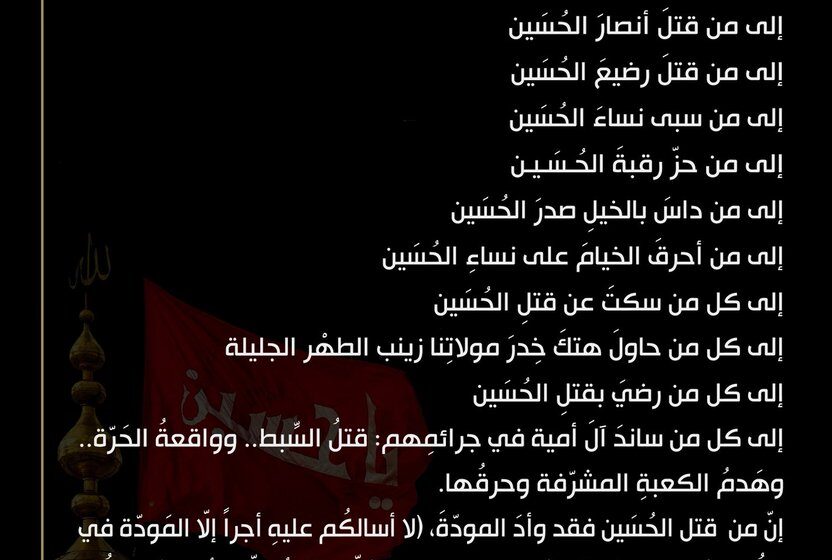
Cleric Muqtada al-Sadr dominated the conversation with a series of highly impactful statements related to Ashura. In posts shared by his official account, Muqtada Muhammad al-Sadr (Post Impact: 100%), he issued a lament for Imam Hussein and the martyrs of Karbala. In other statements, he leveraged the religious occasion to make political points, stating that “Ashura is a revolution against injustice, corruption, and normalization” and issuing a curse against the historical Umayyad dynasty, referring to them as the “cursed tree in the Quran,” as shared by Muqtada Muhammad al-Sadr (Post Impact: 93%). His strong condemnation of the Umayyads was also highlighted and shared by other accounts, such as Shaho Al-Qaradaghi (Post Impact: 10%).
2. Widespread Ashura Commemorations in Iraq and Abroad
Accounts across X shared videos and images of large-scale public commemorations for Ashura throughout Iraq and in other countries. The account Haydar (Post Impact: 10%) reported on a massive reenactment of the Battle of Karbala in Dhi Qar province, involving 3,000 actors and over 150 horses. Other posts showed large crowds in the streets of Nasiriyah and millions participating in the “Tuwayrij run” towards the shrine of Imam Hussein in Karbala. The commemorations were not limited to Iraq; Haydar (Post Impact: 38%) shared videos of large gatherings of Muslims marking Ashura in various cities in Saudi Arabia, while Sabereen News (Post Impact: 14%) posted photos from a mourning ceremony at the Sayyidah Zaynab shrine in Syria, held despite alleged threats from “Jolani’s terrorist gangs.”
3. Debates Over Ashura’s Historical Narrative
The commemoration of Ashura sparked debates over the historical accuracy of the events. The account Mahdi Majeed (Post Impact: 22%) directly challenged the Shia narrative of Imam Hussein’s death, labeling it “lies and fictional creations” without a proper chain of transmission, designed to emotionally control the masses. Conversely, other accounts focused on assigning blame for the tragedy. Salim Al-Jumaili (Post Impact: 10%) described the “betrayal of the people of Kufa” as the central crime, stating they invited Hussein and then abandoned him. Similarly, Ghaith Al-Tamimi (Post Impact: 12%) argued that the leaders of the army that fought Imam Hussein were former supporters of his father, Ali, not Umayyads, adding complexity to the traditional narrative.
4. Political Leaders Issue Statements on Ashura
Iraqi political figures from across the sectarian spectrum issued public statements on Ashura, using the occasion to send messages of unity and reflect on its meaning. Raghad Saddam Hussein (Post Impact: 24%) called for an end to sectarianism, stating “Religion is for God, Iraq is for Iraqis,” and warned against “intruders” seeking to divide the country. Prime Minister Mohammed Shia’ Al Sudani (Post Impact: 9%) offered condolences, describing Imam Hussein’s stand as a “school of truth, defiance, and steadfastness.” Similarly, Speaker of Parliament Mohammed al-Halbousi (Post Impact: 9%) expressed condolences and noted that Imam Hussein’s “immortal stance in support of truth” remains an inspiration for those seeking justice and dignity.
5. Taliban “Tourism Invitation” Video Draws Sarcasm
A post by Rusly Al-Maliki (Post Impact: 51%) drew significant attention by mocking a video purportedly released by the Taliban. The video, which features armed men and military displays, was described by Al-Maliki not as a threat, but sarcastically as “an invitation from them to Americans for tourism in Afghanistan!!” He added, “Tourism, Afghan style!!” The comment frames the video as a thinly veiled threat, ridiculing the Taliban’s attempt at public relations while highlighting the menacing nature of the imagery presented.
6. Top Iraqi Universities Flagged for Research Misconduct
A number of accounts reported that Iraq’s Ministry of Higher Education is launching an investigation into eight major universities for failing to meet standards of academic integrity. According to Salim Al-Jumaili (Post Impact: 16%) and MUNQITH DAGHER (Post Impact: 7%), institutions including the University of Baghdad, University of Basra, and University of Mosul were placed on the “Red Flag (IR2)” list, which identifies universities that do not adhere to the “integrity and honesty of scientific research.” Al-Jumaili expressed dismay at the decline of what were once the best universities in the Middle East, attributing the problem to policies aimed at “destroying public education in Iraq.”
7. Indian PM’s Tribute to Imam Hussein Highlighted
Multiple Iraqi accounts highlighted a statement from the Prime Minister of India commemorating Ashura. Hassan Al-Kaabi (Post Impact: 18%) shared the news that the Indian leader described the sacrifice of Imam Hussein as a “symbol of truth and steadfastness against injustice.” The account Issam Hussein (Post Impact: 12%) contextualized the statement, noting that India has a Shia population of 30-40 million and that the Prime Minister’s message is an example of “true patriotism,” which means respecting the cultures and beliefs of all citizens.
8. Accounts Defend Role of Popular Mobilization Forces (PMF)
Amidst the Ashura commemorations, some users posted strong defenses of the Popular Mobilization Forces (PMF) and other Shia factions. Ahmed Abdul Sada (Post Impact: 11%) credited the PMF with preventing ISIS from destroying Shia holy sites in Najaf and Karbala and argued they are now protecting Iraq’s borders from other extremist groups. He stated that anyone calling for the dissolution of the PMF, even a Shia political leader, is effectively joining the army of Yazid and seeking to repeat the tragedy of Karbala. The account Wasan Al-Shaikhli (Post Impact: 8%) echoed this sentiment by sharing a photo of a PMF leader, referring to him as the “protector” of the Shia in Iraq.
9. Eulogist Basim al-Karbalaei Criticized for Poem About Kufa
A controversy emerged over a poem recited by the prominent Shia eulogist Basim al-Karbalaei. Accounts such as Najeh Abbas Al-Mizan (Post Impact: 10%) and Mustafa Al-Dulaimi (Post Impact: 6%) criticized lyrics that described Kufa as disloyal and its people as “cursed” (“Kufa mo amina… tinethum la’ina!”). The critics argued that so-called “loyalists” who defend al-Karbalaei exhibit hypocrisy by remaining silent when he insults Najaf (where Kufa is located), whereas they would attack anyone else for similar comments. Al-Mizan questioned how followers could accept this insult and asked if it was permissible to pray in a “cursed land.”
10. Commentary on Iraq’s Relationship with Syria
Several posts focused on developments in neighboring Syria and their implications for Iraq. Bahaa Khaleel (Post Impact: 10%) sarcastically commented on news that Syria imposed a $400 visa fee on Iranians, suggesting it should be even higher. In a more strategic analysis, Ezzat Alshabandar (Post Impact: 4%) argued that Iraq is the country most affected by Syria’s fate and should therefore stand by it to ensure it becomes a “unified, cohesive country, sovereign over all its lands.” He warned against allowing Syria to remain vulnerable to exploitation by internal and external enemies.