2025-07-08: US-Israel-Iran Tensions and Potential Strike

Based on a Miqrab AI analysis of 613 posts trending on X / Twitter in Iraq on July 8, 2025, the primary narratives revolve around escalating regional tensions, internal security failures, and political maneuvering. The most prominent discussion concerns a purported agreement between former U.S. President Donald Trump and Israeli Prime Minister Benjamin Netanyahu to take military action against Iran, a topic amplified by Iraqi political commentators who predict significant consequences for regional militias. Simultaneously, intense armed clashes in Erbil between Peshmerga forces and Kurdish tribes have ignited a debate over “unruly weapons” in the Kurdistan Region. Other key conversations include renewed controversy over the assassination of security expert Hisham al-Hashimi, the sensitive Khor Abdullah maritime agreement with Kuwait, and alleged secret dealings between Syrian opposition leader al-Julani and Israel.
Table Of Content
- 1. US-Israel-Iran Tensions and Potential Strike
- 2. Armed Clashes in Erbil and “Unruly Weapons”
- 3. Hisham al-Hashimi Assassination Controversy
- 4. The Khor Abdullah Maritime Agreement with Kuwait
- 5. Syrian Politics: Al-Julani’s Alleged Dealings with Israel
- 6. Religious and Historical Narratives on X/Twitter
- 7. Militias Accused of Smuggling and Controlling the State
- 8. Iraqi Figures Appealing to the US for Political Change
- 9. Criticism of the Federal Government’s Performance
- 10. Legacy of Iraqi Activism and Political Divisions
Today’s Top 10 X (Twitter) Trends in Iraq:
1. US-Israel-Iran Tensions and Potential Strike
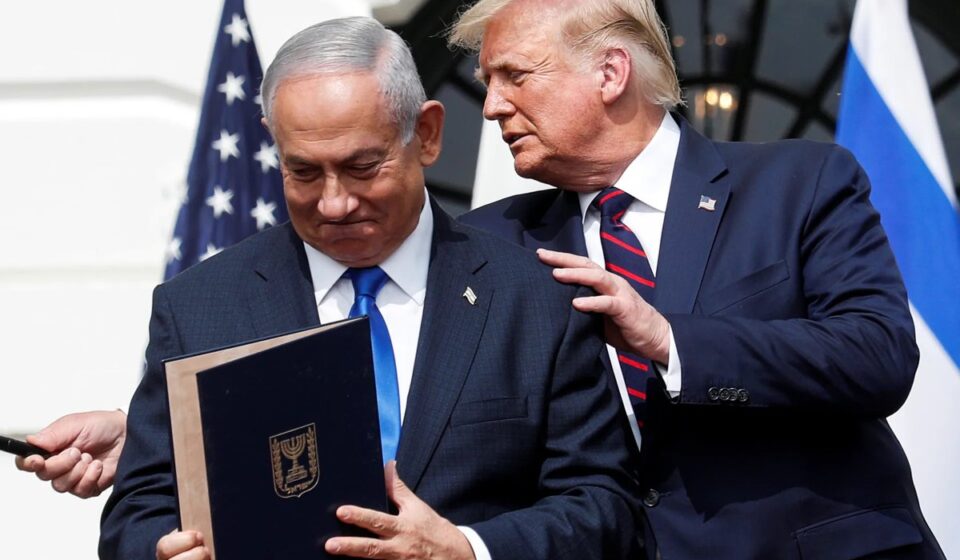
The most dominant story on Iraqi X / Twitter involves claims of an impending U.S.-Israeli military action against Iran. Faiq Al-Sheikh Ali/My Word for History ((Post Impact: 100%)) asserts that “an agreement was made between Trump and Netanyahu to kill the filthy Khamenei and destroy the joints of the Iranian state,” and directly threatens Iraqi militias. This narrative is echoed by Omar Abd Al-Sattar Mahmoud ((Post Impact: 45%)), who reports that Trump approved Netanyahu’s request to attack Iran’s nuclear facilities and form a U.S.-Israel-Germany alliance. In another post, Faiq Al-Sheikh Ali ((Post Impact: 60%)) mocks Iranian-backed groups for underestimating Western surveillance technology, claiming they have already been comprehensively “scanned.” The sentiment is visually captured by Ghaith Al-Tamimi ((Post Impact: 8%)), who posted an image suggesting “the head of Hamas for the head of Khamenei” is being negotiated by Trump and Netanyahu.
2. Armed Clashes in Erbil and “Unruly Weapons”
A major security breakdown in the Kurdistan Region is a top concern, with numerous accounts reporting on violent clashes in Erbil. Posts from Ahmed Al-Thawaq ((Post Impact: 29%)) and Hayder ((Post Impact: 28%)) describe intense fighting between Peshmerga forces and Kurdish tribes in the Khabbat district, which has reportedly “fallen out of state control.” This violence has sparked a broader debate about the proliferation of arms in the region. Commentators like Imad Al-Musafir ((Post Impact: 39%)) and Zainab Al-Ghanem ((Post Impact: 34%)) attribute the conflict to “unruly weapons” and are calling on the federal government in Baghdad to intervene and impose its security control over the region.
3. Hisham al-Hashimi Assassination Controversy
The unresolved assassination of security analyst Hisham al-Hashimi continues to generate significant discussion, focusing on the alleged perpetrator and the judicial process. Wikileaks Iraq ((Post Impact: 34%)) circulated an image purported to be of the assassination cell, identifying a member by name. Questions surrounding the official investigation are being raised by figures like Rusly Al-Maliki ((Post Impact: 29%)), who asserts that the video confession of the killer matches the written investigation documents, contradicting claims of discrepancies. Dr. Yahya Al-Kubaisi ((Post Impact: 15%)) describes the release of the accused as a “scandal for the Iraqi state as a whole,” extending blame beyond just the judiciary. Meanwhile, Ghaith Al-Tamimi ((Post Impact: 22%)) implicates Iranian Supreme Leader Khamenei and former Prime Minister Mustafa Al-Kadhimi in the killing.
4. The Khor Abdullah Maritime Agreement with Kuwait
The status of the Khor Abdullah maritime agreement between Iraq and Kuwait is a contentious political issue. Hayder ((Post Impact: 22%)) reports on a high-level meeting of Iraq’s three presidencies, which concluded that Parliament will re-vote on the agreement to meet constitutional requirements, while simultaneously affirming Iraq’s commitment to international resolutions. However, Dr. Qusay Shafiq ((Post Impact: 13%)) celebrates the Federal Court’s previous decision to annul the agreement as final. Amid this, there are calls for public action, with Hayder ((Post Impact: 20%)) urging Iraqis to pressure their representatives, warning that a new vote in favor of the deal would be considered “a national betrayal.”
5. Syrian Politics: Al-Julani’s Alleged Dealings with Israel
The political situation in Syria, particularly the actions of HTS leader Abu Muhammad al-Julani, is being closely watched and linked to Israeli interests. A post shared by Hayder ((Post Impact: 50%)) from a founding leader of Jabhat al-Nusra alleges that al-Julani met with an Israeli official in Abu Dhabi and agreed to cede the Golan Heights and establish buffer zones. This narrative is bolstered by a quote from Donald Trump, shared by ZaidBenjamin ((Post Impact: 14%)), claiming that sanctions on Syria were lifted at the request of Israeli Prime Minister Netanyahu. Essam Hussein ((Post Impact: 15%)) interprets these developments as the emergence of a dangerous and “overt alliance with Zionism” involving extremist factions on Iraq’s borders.
6. Religious and Historical Narratives on X/Twitter
Shia religious history is a highly engaging topic, with detailed narratives capturing significant attention. In a very popular thread, Hassan Al-Kaabi | Hassan Alkaabi ((Post Impact: 79%)) tells the story of “The owl’s cry for the grandson of the Messenger of God,” recounting how all of creation, including animals, mourned the martyrdom of Imam Hussein in Karbala. The same account also published a post praising Abu Talib, the Prophet Muhammad’s uncle, describing him as a “man of great positions” and the protective “fortress of Islam in its early years” (Hassan Al-Kaabi | Hassan Alkaabi, (Post Impact: 13%)). These posts focus on revered figures and foundational events in Shia tradition.
7. Militias Accused of Smuggling and Controlling the State
Accusations of corruption and illicit self-funding are being leveled against armed factions within the ruling Coordination Framework. Salam Al-Husseini ((Post Impact: 18%)) points to a “dangerous confession” from analyst Hussein Al-Kinani, who allegedly admitted that factions have “self-financing from companies, investments, contracts, and oil smuggling operations.” Al-Husseini argues this proves the Framework rules by force, not by democratic mandate. Similarly, Yasser Eljuboori – Yasser Eljuboori ((Post Impact: 25%)) commented on a video he says “scandalously exposes” the factions for openly admitting to smuggling Iraqi oil, comparing their actions to those of the Kurdistan regional government.
8. Iraqi Figures Appealing to the US for Political Change
A number of Iraqi opposition figures are publicly directing their appeals for political change towards the United States and former President Donald Trump. Mazin Al-Eshaiker ((Post Impact: 41%)) posted from the US, stating, “I have delivered the message of your suffering and your demands for change to the representatives of the American people. The hour of relief is coming.” Likewise, Al-Sheikh Thair Al-Bayati ((Post Impact: 12%)), using hashtags such as #MAGA and #Trump, declared that his message was delivered to Trump and that his group is now preparing for “what is to come,” asserting that they will “make the initiative” to bring change to Iraq.
9. Criticism of the Federal Government’s Performance
The performance of Prime Minister Mohammed Shia’ Al Sudani’s government is facing sharp criticism, particularly regarding its financial policies toward the Kurdistan Region and its management of national resources. Former Foreign Minister Hoshyar Zebari ((Post Impact: 29%)) accuses the government of deliberately delaying salary payments to Kurdish employees, calling it a “blatant process to disavow its constitutional obligations.” On another front, Rusly Al-Maliki ((Post Impact: 15%)) highlights an escalating water crisis, citing an expert who warns that the Mosul Dam is near desiccation and that Iraq has lost over half its water reserves in two years due to poor agricultural policies, concluding with the hashtag #YouWillNeverBeAState.
10. Legacy of Iraqi Activism and Political Divisions
The fate of Iraq’s civil society activists over the past decade is a subject of somber reflection. Adam ((Post Impact: 23%)) shared a ten-year-old photo of activists who once demanded that the state confront militias, noting that since then, the group has been divided into three parts: “a part killed by the militias, a part bought by the militias, and a part chased by the militias.” This theme of targeting and eliminating dissenting voices is directly linked to ongoing discussions about political assassinations, such as that of Hisham al-Hashimi. Accounts like Ghaith Al-Tamimi ((Post Impact: 22%)) continue to discuss his case, assigning responsibility to high-level political and religious authorities for his murder and what they describe as a subsequent cover-up.