2025-07-25: Khor Abdullah Dispute Sparks National Outrage

Based on an analysis of 95 X / Twitter posts trending on July 25, 2025, by Miqrab AI, the dominant narrative in Iraq is the intense public outrage over the Khor Abdullah maritime border agreement with Kuwait. This issue has sparked widespread anger online, leading to street protests and accusations of treason against judicial and political figures. Other significant themes include the broad circulation of a statement from Grand Ayatollah Ali al-Sistani decrying the famine in Gaza and calling for international action, as well as official announcements from the Iraqi Counter-Terrorism Service regarding a successful intelligence-led operation that killed a senior ISIS leader in Syria.
Table Of Content
- 1. Khor Abdullah Dispute Sparks National Outrage
- 2. Ayatollah Sistani’s Gaza Famine Statement Circulates Widely
- 3. CTS Announces Killing of Senior ISIS Leader in Syria
- 4. Criticism of Political & Religious Silence on Khor Abdullah
- 5. Protests Erupt Across Iraq Over Khor Abdullah
- 6. Kurdistan Region Employees Receive May Salaries
- 7. Tense Online Exchanges Between Iraqi and Kuwaiti Accounts
- 8. Judge Faiq Zidan Accused of Treason Over Border Deal
- 9. Sectarian and Ideological Debates Surface Online
- 10. Yemeni Forces Claim Attacks on Israeli Targets
Today’s Top 10 X (Twitter) Trends in Iraq:
1. Khor Abdullah Dispute Sparks National Outrage
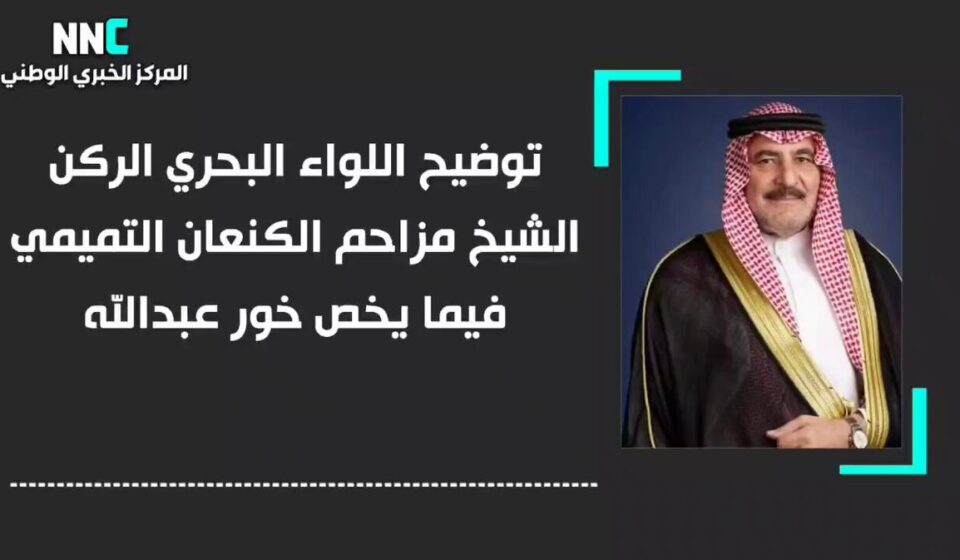
The maritime border dispute with Kuwait over the Khor Abdullah waterway dominated Iraqi social media, fueling a narrative of national betrayal and loss of sovereignty. Faig al-Sheikh Ali/Kalimati lil-Tarikh (Post Impact: 100%) shared a video testimony from a former naval officer from Basra, presenting it as the word of a “true leader” to counter what he called “dirty media noise.” The sentiment that the waterway is an integral part of Iraq was echoed by many. Zina Al Saab (Post Impact: 15%) asserted that “#Khor_Abdullah_Al-Tamimi_is_Iraqi and will remain Iraqi forever,” while Dr. Qusay Shafiq (Post Impact: 14%) shared a video with the message “Khor Abdullah is not for sale.” This reflects a widespread belief among users that Iraq’s maritime access is being sold off by corrupt officials.
2. Ayatollah Sistani’s Gaza Famine Statement Circulates Widely
A statement from the office of Grand Ayatollah Ali al-Sistani regarding the humanitarian crisis in Gaza was widely shared and discussed. Accounts including Mustafa Jabbar Sanad (Post Impact: 49%), Hayder (Post Impact: 12%), and Sabereen News (Post Impact: 6%) amplified the message. The statement highlights the suffering of Palestinians, noting that “the horrific scenes of the rampant famine in the Strip… do not allow any person with a conscience to enjoy food or drink.” It urges the world, especially Arab and Islamic nations, to intensify efforts to end the tragedy and ensure aid reaches civilians.
3. CTS Announces Killing of Senior ISIS Leader in Syria
The Iraqi Counter-Terrorism Service (CTS) (Post Impact: 41%) officially announced a major counter-terrorism success. Based on intelligence provided by the CTS, international coalition forces conducted an air assault operation in Aleppo, Syria, which resulted in the death of a high-ranking ISIS leader and two of his associates. Accounts such as Hayder (Post Impact: 20%) and the Security Media Cell (Post Impact: 1%) disseminated the details, identifying the target as the so-called “Wali (Governor) of Wilayat al-Khair wal-Baraka” and a former member of the ISIS Delegated Committee, describing him as a “first-level” target.
4. Criticism of Political & Religious Silence on Khor Abdullah
Amid the public outcry over Khor Abdullah, several users directed their anger at the perceived silence of major political and religious authorities. Bahaa khaleel (Post Impact: 30%) sarcastically asked if the religious authority (Marja’iyya) needed a “fatwa for jihad” to act, asking, “Or is the Marja’iyya sleeping?” In a similar vein, Ali Almadany (Post Impact: 25%) specifically pointed out the lack of a public stance from a major political force, stating, “The Sadrist Movement has no presence or news regarding #Khor_Abdullah!!!!” These posts reflect a growing frustration and demand for leadership from influential national figures on the sovereignty issue.
5. Protests Erupt Across Iraq Over Khor Abdullah
The online anger over the Khor Abdullah agreement translated into real-world action, with reports of public demonstrations in multiple Iraqi provinces. The account Hayder (Post Impact: 7%) shared images of “protest stands” in Diyala, Wasit, Basra, and Babil, where citizens demanded a renegotiation of the maritime borders with Kuwait. Ameer aldaami (Post Impact: 9%) praised the protesters’ “Iraqi spirit,” saying they mobilized out of their inherent loyalty to Iraq without waiting for a religious edict or a political call to action, highlighting a grassroots movement demanding the government protect national territory.
6. Kurdistan Region Employees Receive May Salaries
News circulated that government employees in the Kurdistan Region had finally received their salaries, a recurring point of contention in Baghdad-Erbil relations. Hayder (Post Impact: 20%) reported that employees received their May salary for the first time in three months. This development prompted commentary from others, like Sheikh Falah Al-Quraishi (Post Impact: 2%), who questioned the timing of recent attacks on oil wells and refineries in Erbil, sarcastically asking why they occurred just after the Kurdistan Regional Government handed over oil to Baghdad in exchange for the salary payments.
7. Tense Online Exchanges Between Iraqi and Kuwaiti Accounts
The Khor Abdullah crisis fueled hostile exchanges online between Iraqi users and those from Kuwait. In a defensive post, Zina Al Saab (Post Impact: 15%) pushed back against criticism, asking Kuwaiti and other Arab accounts, “Do you demand a piece of my country’s land as the price for your support?” She also questioned the lack of Arab backing for Iraqi Sunnis against Iranian influence. Her post was defended by Manasat Al-Iraq (Post Impact: 9%), which insulted a Kuwaiti user and threatened to “reclaim the 19th province,” a nationalist Iraqi reference to Kuwait.
8. Judge Faiq Zidan Accused of Treason Over Border Deal
The President of Iraq’s Supreme Judicial Council, Faiq Zidan, became a central figure of blame in the Khor Abdullah controversy, with multiple accounts accusing him of treason. The account Abdulrazzaq Al-Hayali (Post Impact: 13%) posted a video with text overlayed reading “Traitor Faiq Zidan” and also blamed the “Persian Framework” and “tails of Iran.” In a more extreme post, the account Jews of Iraq (Post Impact: 10%) stated, “The people must hang Faiq Zidan by his testicles.” These posts indicate that public anger has been personalized and directed at specific officials perceived as responsible for the agreement.
9. Sectarian and Ideological Debates Surface Online
Alongside the dominant political topics, some users engaged in broader ideological and sectarian debates. Mahdi Majeed (Post Impact: 19%) posted a sharp critique of what he called the “unnatural ignorance and stupidity” of Shiites and self-proclaimed “Arab atheists and agnostics” on social media, accusing them of being uncultured and vulgar. In a different vein, Issam Hussein (Post Impact: 13%) shared a historical list of what he termed “aggressions by Sunni states” against other communities from 1980 to 2025, citing actions by Saddam Hussein’s Iraq, Turkey, Saudi Arabia, and others as evidence of a community that “believes in cruelty and excessive force.”
10. Yemeni Forces Claim Attacks on Israeli Targets
A statement from the “Yemeni Armed Forces” claiming responsibility for multiple attacks on Israel was shared by some Iraqi accounts. Najah Muhammad Ali (Post Impact: 2%) posted the full text of the statement, which declared that in solidarity with Gaza, Yemeni forces had targeted sensitive locations in Beersheba, Umm al-Rashrash (Eilat), Ashkelon, and Hadera with a hypersonic ballistic missile and drones. The statement vowed that the operations would continue until the “aggression on Gaza” and the siege are lifted.