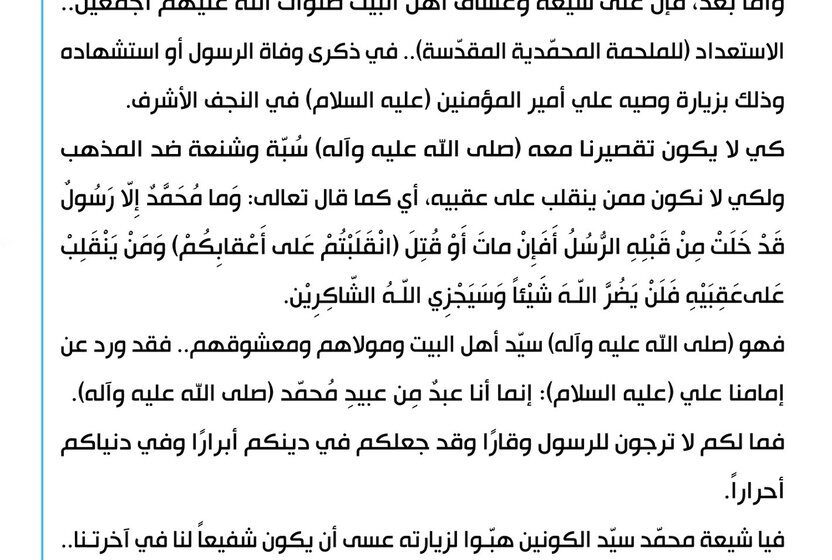
2025-08-15: Political Leaders Share Cryptic Image-Only Posts

Based on an analysis of 526 X / Twitter posts trending on August 15, 2025, Miqrab AI found that the primary narratives in Iraq revolved around a mix of domestic social issues, religious observances, and regional political tensions. The most engaging topics included cryptic posts from major political and religious leaders like Muqtada al-Sadr, which generated widespread discussion despite lacking text. A significant portion of the conversation was dedicated to the controversial death of Dr. Ban Ziyad Tariq, with users demanding a thorough investigation and debating whether her death was a suicide or murder. The conclusion of the Arbaeen pilgrimage was another major theme, with discussions focusing on the record number of participants and logistical challenges. Concurrently, regional politics were prominent, with strong reactions to statements from Hezbollah, Israeli Prime Minister Netanyahu, and analysis of US-Iraqi relations.
Table Of Content
- 1. Political Leaders Share Cryptic Image-Only Posts
- 2. Outcry Over Death of Dr. Ban Ziyad Tariq
- 3. Conclusion of the Arbaeen Pilgrimage
- 4. Hezbollah Vows to Keep Arms, Threatens Conflict
- 5. Reactions to Netanyahu’s “Greater Israel” Map
- 6. Backlash Against Politician’s Comments on Dr. Ban Case
- 7. US Policy Towards Iraq and the PMF Debated
- 8. Tensions During Arbaeen: Attacks on Foreign Pilgrims
- 9. Iran’s Internal Struggles and Foreign Policy
- 10. Rafidain Bank’s US Partnership Amid Accusations
Today’s Top 10 X (Twitter) Trends in Iraq:
1. Political Leaders Share Cryptic Image-Only Posts
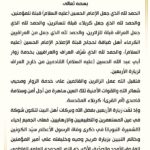
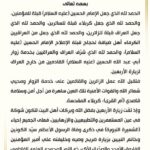
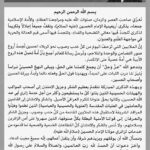
Prominent Iraqi political and religious figures shared image-only posts, sparking significant engagement and speculation across the platform. The most impactful post came from Muqtada al-Sadr (Post Impact: 100%), who published an image of a handwritten note without any accompanying text. Similarly, Qais al-Khazali (Post Impact: 52%) and Salih Muhammad al-Iraqi (Post Impact: 40%), a page associated with al-Sadr, also posted images without context. The lack of explicit messaging from these influential leaders led their followers and political observers to debate the potential meanings and signals behind the posts, which topped the day’s online trends due to their high visibility.
2. Outcry Over Death of Dr. Ban Ziyad Tariq
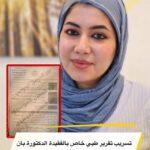
The death of Dr. Ban Ziyad Tariq has become a major public issue, with numerous accounts questioning the official narrative of suicide and demanding justice under hashtags like #بان_ليست_انتحار (Ban is not suicide). Rusly Al-Maliki (Post Impact: 31%) analyzed a photo of writing on a wall, suggesting it was written by the killer from the victim’s perspective to satisfy a “sick ego.” Tamara Alkhazraji (Post Impact: 28%) expressed confusion over the available evidence and prayed that the doctor’s rights would be restored after her suffering. Ali al-Khalidi (Post Impact: 11%) stated that her death is “the beginning of a bigger question: How many women in Iraq are killed, or forced by their circumstances to commit suicide?”, calling it time to hear the voices of forgotten women. The sentiment across these posts reflects deep distrust in the initial findings and a strong push to treat the case as a public opinion issue.
3. Conclusion of the Arbaeen Pilgrimage
Accounts widely covered the conclusion of the Arbaeen pilgrimage to Karbala, highlighting the massive turnout and the efforts involved. Haydar (Post Impact: 28%) shared an official statistic stating that the number of participants reached 21,103,524. Political leader Ammar Al-Hakim (Post Impact: 9%) issued a lengthy statement thanking the millions of pilgrims, the service processions (Mawakib), security forces, and the government for their roles in the event’s success. Meanwhile, other posts like one from Dr. Hussein Al-Safi (Post Impact: 5%) discussed the significant economic benefits of the pilgrimage for various sectors in Iraq, from transportation to food services.
4. Hezbollah Vows to Keep Arms, Threatens Conflict
Hezbollah’s defiant stance on disarmament was a prominent topic. Haydar (Post Impact: 8%) reported that the Secretary-General of Hezbollah stated, “we will not hand over the weapon and if necessary we will fight a Karbala-like battle in the face of this project whatever it costs us.” Shaho Alquradaghi (Post Impact: 3%) linked this statement directly to a recent visit by Ali Larijani to Lebanon. Adding to this, Rusly Al-Maliki (Post Impact: 3%) compared a similar threatening statement by Hezbollah’s Naim Qassem to a quote attributed to Uday Saddam Hussein, highlighting the gravity of the threat of internal conflict.
5. Reactions to Netanyahu’s “Greater Israel” Map
Statements by Israeli Prime Minister Benjamin Netanyahu regarding a “Greater Israel” drew sharp criticism. Raghad Saddam Hussein (Post Impact: 13%) condemned the remarks as revealing a “colonial expansionist mentality that threatens the region’s security and stability,” and called for a unified Arab and international stance to deter these “aggressive delusions.” Similarly, Essam Hussein (Post Impact: 5%) also commented on the map, questioning why it only appeared to include lands with Sunni populations and criticizing sectarian reactions that focus on Iran instead of the direct threat to Arab countries.
6. Backlash Against Politician’s Comments on Dr. Ban Case
The public discourse surrounding Dr. Ban’s death also included a significant backlash against politicians seen as exploiting the tragedy or slandering the victim. Users heavily criticized MP Mustafa Sanad for his statements on the case. Mahdi Majeed (Post Impact: 7%) condemned the MP for alleging the doctor killed herself over a relationship, accusing him of slandering a deceased person. Tamara Alkhazraji (Post Impact: 6%) shared a statement from the judiciary warning politicians against interfering in the investigation, interpreting it as a direct rebuke to the MP. Othman Al-Mukhtar (Post Impact: 7%) described the MP as a representation of the “moral and cultural decay” that has afflicted Iraqi society.
7. US Policy Towards Iraq and the PMF Debated
The relationship between Iraq and the United States, particularly concerning the Popular Mobilization Forces (PMF), was a subject of detailed analysis. Dr. Yahya Alkubisi (Post Impact: 3%) provided a lengthy analysis on what he sees as a shift in US policy, noting that the US is now expressing concern over a new law for the PMF, which it views as entrenching Iranian influence and threatening Iraq’s sovereignty. This is contrasted with a post by Haydar (Post Impact: 4%), citing a report from Al-Araby Al-Jadeed, which claims the US will withdraw hundreds of soldiers from Ain al-Asad base as a message of “dissatisfaction” with the Iraqi government. Adding to the discussion, Raad Hashim (Post Impact: 5%) shared an analyst’s view that a previous US pledge not to conduct strikes in Iraq “may have been withdrawn.”
8. Tensions During Arbaeen: Attacks on Foreign Pilgrims
Alongside celebrations of the Arbaeen pilgrimage, some accounts highlighted negative incidents and underlying tensions involving foreign visitors. Haydar (Post Impact: 9%) reported on an adolescent attacking Pakistani pilgrims in Najaf, linking the incident to incitement from some journalists and activists who portray pilgrims as enemies. In a related vein, Essam Hussein (Post Impact: 7%) condemned those who celebrate attacks on Iranian pilgrims while dismissing missile strikes on Israel as “theater,” arguing that such actions reflect sectarian hatred rather than patriotism and serve the agendas of foreign sponsors.
9. Iran’s Internal Struggles and Foreign Policy
Discussions touched upon Iran’s internal situation and its foreign policy initiatives. Rusly Al-Maliki (Post Impact: 7%) pointed to severe electricity, gas, and water shortages in Iran, citing government measures to close universities and offices as evidence that the country is struggling despite claims of being immune to sanctions. Conversely, Omar Abdulsatar Mahmoud (Post Impact: 5%) shared a report that Iran, through Turkey, offered military support to the new Syrian government to confront Israel, indicating Tehran’s continued focus on projecting regional power. This was also mentioned by Raad Hashim (Post Impact: 4%), who noted that Ankara does not welcome Iran’s proposals against Israel.
10. Rafidain Bank’s US Partnership Amid Accusations
Iraq’s state-owned Rafidain Bank became a topic of conversation following news of a new partnership, which was framed differently by various accounts. The Iraqi Embassy in Washington (Post Impact: 4%) announced a “strategic step” in which the bank signed a partnership with US firm K2 Integrity, a leader in financial consulting. However, Entifadh Qanbar (Post Impact: 5%) fiercely criticized the move, alleging that the agreement would not cover up the bank’s “thefts” and accused it of being involved in financing Houthi terrorism, the Al-Muhandis company, and other armed factions, as well as smuggling billions of dollars.