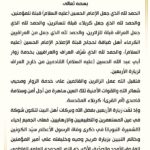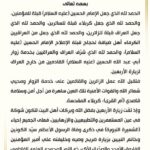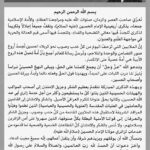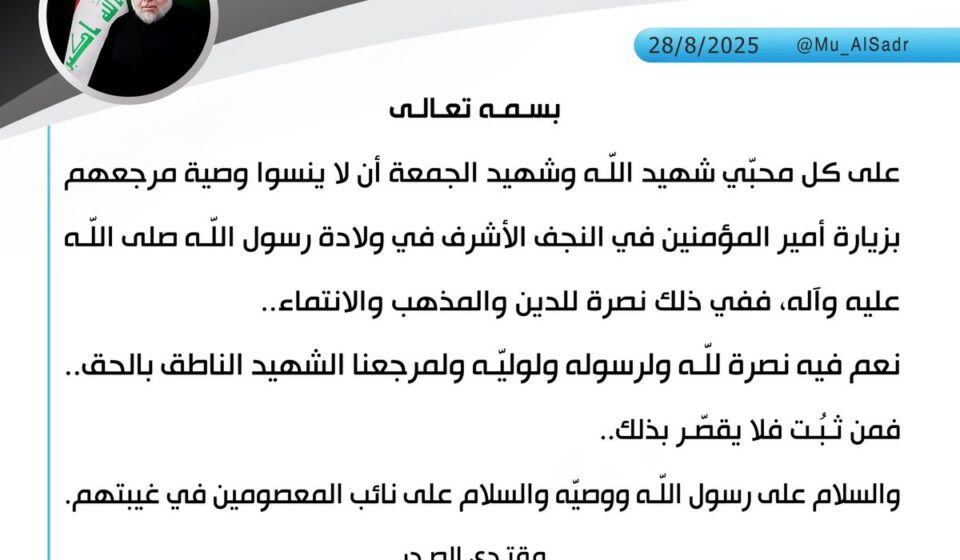
2025-08-28: Muqtada al-Sadr’s Highly Engaged Statement

Based on Miqrab AI analysis of 498 X / Twitter posts trending in Iraq on August 28, 2025, the social media landscape was dominated by intense domestic political debates and significant regional developments. The most engaged-with content came from cleric Muqtada al-Sadr, whose post of a signed statement sparked widespread discussion. Internally, conversations focused on the newly passed Ja’fari Personal Status Law, which drew severe criticism over its impact on women’s rights and inheritance, and the simultaneous cancellation of a vote on a controversial law concerning the Popular Mobilization Forces (PMF). Other key topics included the disqualification of an independent MP from elections, allegedly by the PMF, and growing concerns over the reported naturalization of thousands of Syrians in Anbar province. Regionally, the activation of “snapback” sanctions against Iran by European powers and Iraq’s diplomatic engagement with the new leadership in Syria were major points of discussion, reflecting Iraq’s position amidst escalating geopolitical tensions.
Table Of Content
- 1. Muqtada al-Sadr’s Highly Engaged Statement
- 2. Backlash Over New Ja’fari Personal Status Law
- 3. Coordination Framework Cancels Vote on PMF Law
- 4. MP Sajad Salem Disqualified from Elections
- 5. Europeans Trigger “Snapback” Sanctions on Iran
- 6. Iraq Engages New Syrian Leadership Amid Tensions
- 7. Allegations of Syrians Granted Iraqi Citizenship in Anbar
- 8. Debate Over Inheritance Laws and Religious Authority
- 9. Jailing of Former MP Mohammed al-Dayni Sparks Debate
- 10. Reports of Iranian Military Preparations for Conflict
Today’s Top 10 X (Twitter) Trends in Iraq:
1. Muqtada al-Sadr’s Highly Engaged Statement
The most impactful post of the day came from influential Shia cleric Muqtada Sayyid Muhammad Al-Sadr (Post Impact: 100%), who published an image of a signed statement. While the post itself contained no text, the image of the official-looking document with his signature generated massive engagement across Iraqi social media. This demonstrates his continued ability to command significant attention and mobilize online discussion with a single post. The high impact rate underscores the anticipation and importance attributed to any communication from the Sadrist leader, with users widely sharing and debating the potential implications of his message, which also received commentary from accounts like Dr. Ghalib Al-Daami (Post Impact: 7%) discussing the absolute loyalty his followers show him.
2. Backlash Over New Ja’fari Personal Status Law
The Iraqi Parliament’s approval of the Ja’fari Personal Status Law has triggered a significant backlash online, with critics arguing it severely undermines women’s rights. Accounts like Rusly Al-Maliki (Post Impact: 21%) and HIBA Alnnayib (Post Impact: 9%) detailed provisions they find alarming, such as denying women inheritance, granting custody to the father, preventing women from seeking divorce in cases of infidelity, and giving the husband the right to sexual relations at any time. Muna Sami (Post Impact: 13%) warned that the law allows men to retroactively apply its terms to existing marriages and divorces without the woman’s consent, which she calls a constitutional violation. In contrast, supporters like Sarah Abd Al Karim Khalaf (Post Impact: 7%) defended the law, stating that it is not compulsory and serves those who willingly choose to follow Ja’fari jurisprudence.
3. Coordination Framework Cancels Vote on PMF Law
Discussions surrounding the Popular Mobilization Forces (PMF) were prominent after the Coordination Framework reportedly canceled a scheduled parliamentary vote on a law related to the organization. Rusly Al-Maliki (Post Impact: 13%) officially announced the cancellation. This move was met with harsh criticism from figures like Faiq Al-Sheikh Ali (Post Impact: 26%), who lambasted the “militias and all who represent them” in parliament as “cowards” and the “dregs of Iraqi society” for failing to pass their own law. Other users, such as HIBA Alnnayib (Post Impact: 4%), framed the cancellation as parliament evading its duty out of fear of upsetting the United States.
4. MP Sajad Salem Disqualified from Elections
Independent Member of Parliament Sajad Salem (Post Impact: 28%) announced that he has appealed the Electoral Commission’s decision to disqualify him from the upcoming elections. He revealed that the disqualification was based on an unsigned A4 paper from the “PMF Security Directorate,” which contained a complaint from an anonymous “group of citizens” accusing him of calling for the return of “dictatorship,” which was misspelled in the original document as “Dektatoria.” Salem’s post, which mocks the flimsy and poorly written basis for his removal, was shared by commentators like Shaho Al-Qaradaghi (Post Impact: 3%) and highlights the perceived use of state-affiliated security bodies to sideline political opponents.
5. Europeans Trigger “Snapback” Sanctions on Iran
A major international development discussed widely was the decision by France, Germany, and the United Kingdom to activate the “snapback mechanism” to reimpose UN sanctions on Iran. Accounts like Rasha Alazawe (Post Impact: 10%) described it as Europe “pulling the trigger” on the nuclear deal. Steven Nabil (Post Impact: 5%) and Rusly Al-Maliki (Post Impact: 6%) explained that the European powers have notified the UN Security Council, giving Iran a 30-day window to comply before sanctions targeting its military, oil, and banking sectors are reinstated, leading to what they term “international isolation.” Commentators such as David Yassin (Post Impact: 7%) noted that the countdown for Iran’s return to a “full UN punitive environment” has begun.
6. Iraq Engages New Syrian Leadership Amid Tensions
Iraq’s diplomatic and security engagement with the new leadership in Syria was a significant topic, set against a backdrop of regional volatility. Multiple accounts, including Haidar (Post Impact: 6%) and Ahmad Abdulsada (Post Impact: 5%), reported on a secret visit to Damascus by the head of the Iraqi National Intelligence Service, Hamid al-Shatri, for a meeting with Syrian leader Abu Muhammad al-Jolani to discuss border security and counter-terrorism. The context for this engagement was highlighted by another post from Haidar (Post Impact: 20%), which reported on recent Israeli airstrikes in Syria and a direct Israeli warning to the Jolani administration not to “test our patience or the limits of our operations.”
7. Allegations of Syrians Granted Iraqi Citizenship in Anbar
Concerns were raised over reports that large numbers of Syrians are being granted Iraqi citizenship, particularly in Anbar province. Haidar (Post Impact: 10%) cited agency reports claiming that 10,000 Syrians were naturalized in a single province, warning this could alter election outcomes and create “terrorist time bombs.” Issam Hussein (Post Impact: 7%) questioned whether this was the result of corruption, an internal political project tied to elections, or a more dangerous security project to settle foreign fighters. Both accounts called on the Ministry of Interior to provide clear answers regarding the scale and motives behind the alleged naturalizations.
8. Debate Over Inheritance Laws and Religious Authority
A specific provision within the newly passed Ja’fari Personal Status Law concerning inheritance drew sharp focus and criticism. Rusly Al-Maliki (Post Impact: 26%) contrasted the Iraqi situation with that of Saudi Arabia, where estates without heirs are managed by a state authority. He pointed out that under the new Ja’fari code in Iraq, such inheritances will go to the religious authority (Marja’) as the “heir of one who has no heir,” rather than to the state. In another post, Rusly Al-Maliki (Post Impact: 10%) elaborated that the religious reference, as the deputy of the Imam, would manage these assets, shifting significant wealth from state control to religious institutions.
9. Jailing of Former MP Mohammed al-Dayni Sparks Debate
The sentencing of former MP Mohammed al-Dayni to six months in prison for insulting Iraq’s Shia majority sparked divided reactions. Mahmoud Al-Rubaie (Post Impact: 6%) praised the verdict and the immediate imprisonment of al-Dayni, celebrating it as a victory. In contrast, Othman Al-Mukhtar (Post Impact: 3%) criticized the ruling as evidence of a “sectarian mindset” within the Iraqi judiciary. He argued that while al-Dayni’s statement led to a prison sentence, daily sectarian insults against other groups on television go unpunished, suggesting a double standard in the application of justice.
10. Reports of Iranian Military Preparations for Conflict
Amid rising tensions, reports circulated about Iran’s alleged military preparations for a potential conflict with Israel. Rusly Al-Maliki (Post Impact: 5%), citing Kuwaiti newspaper “Al-Jarida,” shared information from an Iranian military source claiming that Iran has begun “unprecedented preparations” for a preemptive strike on Israel. The report stated that the military and the IRGC are acting independently of President Pezeshkian’s government and plan to target US bases in the region if a war breaks out. In a related post, Rusly Al-Maliki (Post Impact: 3%) also shared accusations from an Iranian official who claimed Russia had betrayed Iran by providing Israel with information about its air defense centers, adding another layer of complexity to Iran’s strategic position.