2025-10-03: US-China Tensions and Iranian Military Posturing

Based on an analysis of 621 X / Twitter posts trending on October 3, 2025, Miqrab AI found that the primary narratives in Iraq are dominated by escalating geopolitical tensions, particularly involving the United States, China, and Iran. The most impactful posts focus on anti-American sentiment from China and reports of Iran’s military readiness for a regional conflict, alongside a deepening strategic alliance between Tehran and Moscow. A significant secondary story is the announcement that Hamas has agreed to a U.S.-proposed ceasefire plan, a development discussed from multiple angles. Domestically, conversations revolved around patriotic celebrations for Iraqi National Day, the official start of election campaigns, and pointed online feuds and criticisms targeting prominent Iraqi political and militia figures.
Table Of Content
- 1. US-China Tensions and Iranian Military Posturing
- 2. Hamas Agrees to Trump’s Ceasefire Plan
- 3. Personal Feud between Faiq Al-Sheikh Ali and “Mustafa Farikh Qa’ani”
- 4. Celebrations for Iraqi National Day
- 5. Criticism and Mockery of “Axis of Resistance” Figures
- 6. Iran-Russia Strategic Alliance Deepens
- 7. Upcoming Iraqi Elections and Campaigning
- 8. The Guardian Report on Iran Potentially Releasing Afghan Refugees
- 9. Criticism of Political Appointments and Government Failures
- 10. Sectarian Discourse and Accusations of Foreign Influence
Today’s Top 10 X (Twitter) Trends in Iraq:
1. US-China Tensions and Iranian Military Posturing
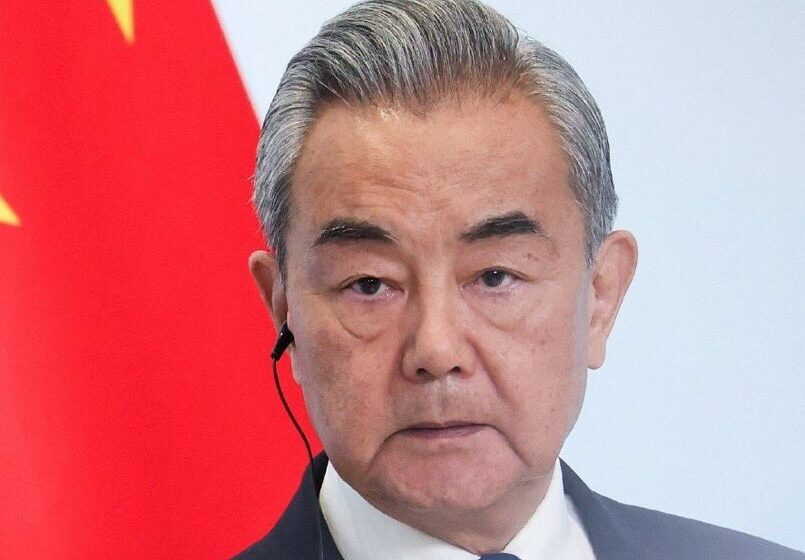
Discourse at the top of the feed is dominated by geopolitical tensions, led by a post from Najah Mohammed Ali (Post Impact: 100%) which quotes the Chinese Foreign Minister as saying, “Trump does not represent the American people, but only represents Zionist interests.” This theme of anti-U.S. alignment is further amplified by other reports from the same account, citing an Iranian source who claims Iran is on “full alert for war” and that a future conflict would be a long one encompassing the entire region. The narrative of an imminent confrontation is reinforced by a post from Yasser Eljuboori – ياسر الجبوري (Post Impact: 10%), alleging that U.S. military leaders have explicitly warned Iraqi officials not to interfere in any potential military operations against Iran.
2. Hamas Agrees to Trump’s Ceasefire Plan
A major development in the Gaza conflict is being widely discussed, with multiple accounts reporting that Hamas has agreed to a ceasefire plan proposed by U.S. President Donald Trump. Rafid Jaboori رافد جبّوري (Post Impact: 8%) and Haider (Post Impact: 6%) stated that Hamas will release all hostages. Liqaa Maki (Post Impact: 23%) analyzed the move, calling Hamas’s response “smart” and highlighting the key condition of exchanging prisoners for a halt to the war. Maki suggests this aligns with Trump’s goals and stresses the importance of Arab and Islamic nations stepping in to create a new framework for a resolution once the hostages are returned.
3. Personal Feud between Faiq Al-Sheikh Ali and “Mustafa Farikh Qa’ani”
A vitriolic personal dispute has captured significant attention, initiated by a post from Faiq Al-Sheikh Ali/My Word for History (Post Impact: 32%). He addresses an individual identified as Mustafa Farikh Qa’ani, accusing him of slander and ingratitude. The post escalates into severe threats, stating, “Then be warned of a war from God and His Messenger,” and includes vulgar insults. The targeted nature of the attack is supported by other accounts like Mulla Aboud Al-Karkhi (Post Impact: 6%), who shared a related image with the hashtag #مصطفى_فرخ_قاآني, indicating a coordinated online campaign.
4. Celebrations for Iraqi National Day
Iraqi National Day on October 3 was a major topic of discussion, with numerous political figures and commentators marking the occasion with patriotic messages. Raghad Saddam Hussein (Post Impact: 19%) congratulated the Iraqi people and called for unity to build a just state. Former Prime Minister Mustafa Al-Kadhimi (Post Impact: 8%) wrote that the day symbolizes a renewed national identity and promoted the doctrine of “#Iraq_First”. Celebrations were reported across the country, with Haider (Post Impact: 7%) sharing images of military aircraft over Baghdad and Shahou Al-Qaradaghi (Post Impact: 8%) posting a video of festivities in Erbil.
5. Criticism and Mockery of “Axis of Resistance” Figures
Prominent figures associated with the “Axis of Resistance” faced sharp online criticism. Hiba Al-Naib HIBA Alnnayib (Post Impact: 25%) posted a video targeting Badr Organization leader Hadi al-Amiri, accusing him of being distracted by “night girls” instead of seeking revenge for the death of Abu Mahdi al-Muhandis. In a similar tone, Tamara Alkhazraji (Post Impact: 23%) shared a video mocking Hassan Nasrallah’s son for allegedly holding a live stream to solicit online “gifts” to improve his status, sarcastically commenting, “Click for God’s sake, guys, so that daddy can enter heaven.”
6. Iran-Russia Strategic Alliance Deepens
The activation of a 20-year strategic partnership agreement between Iran and Russia is a key topic of discussion. Najah Mohammed Ali (Post Impact: 35%) outlined the extensive scope of the agreement, which includes deep military and defense cooperation, a unified stance against Western sanctions, and alliances in the energy and cyber sectors, calling it the most important treaty for Tehran since 1979. This partnership appears to be in motion, as multiple accounts, including Rusly Al-Maliki (Post Impact: 8%) and Sabereen news (Post Impact: 5%), reported a continuous “air bridge” of Russian military cargo planes landing in Iran.
7. Upcoming Iraqi Elections and Campaigning
With the official launch of election campaigns, social media has become a key battleground for political messaging, candidate promotion, and voter advice. Various accounts are actively campaigning, such as Jaafar Al-Aboudi (Post Impact: 9%) showing support for the Sadiqoun Movement and Ashuri (Post Impact: 7%) promoting Nouri al-Maliki’s candidacy. Concurrently, other users are focused on voter education. Haider (Post Impact: 6%) issued a detailed list of advice, urging Iraqis not to elect sectarian candidates, those with foreign agendas, or previously failed politicians. To gauge public opinion, Dr. Hussein Al-Safi (Post Impact: 15%) posted a poll asking followers to choose between several prominent Shiite political factions.
8. The Guardian Report on Iran Potentially Releasing Afghan Refugees
A report from British newspaper The Guardian is circulating widely, alleging that Iran is considering a plan to release hundreds of thousands of Afghan refugees across its western borders into Iraq and Turkey. Rusly Al-Maliki (Post Impact: 15%) shared the news with a critical comment: “There is no country with such sickness and poison.” Raad Hashim (Post Impact: 5%) also posted details from the article, which suggests this move would be part of a more aggressive Iranian strategy aimed at destabilizing the region and creating a refugee crisis for Europe.
9. Criticism of Political Appointments and Government Failures
Discontent with government performance and the political class is evident through criticism of state failures and nepotism. The death of Iraqi artist Iyad Al-Taie prompted outrage after Dr. Qusay Shafiq (Post Impact: 12%) posted a video showing his body being transported in a pickup truck, sarcastically hashtagging it “#Iraq_of_Achievements.” Similarly, Shahou Al-Qaradaghi (Post Impact: 12%) criticized a political appointment by commenting that the appointee’s only qualification was being the “brother of a late artist.” Hiba Al-Naib (Post Impact: 7%) also targeted Prime Minister Sudani’s coalition for including a controversial social media personality on its electoral list.
10. Sectarian Discourse and Accusations of Foreign Influence
Sectarian rhetoric and accusations of foreign allegiance persist in the online discourse. A post from Wasan Al-Shaikhli (Post Impact: 13%) made broad, derogatory generalizations about the “Sunni mindset” regarding women and martyrdom. Conversely, Sheikh Thair Al-Bayati (Post Impact: 6%) claimed that all senior political positions in Iraq, including those held by Sunnis, require approval from Tehran and primarily serve Iran’s interests. In another post, Al-Bayati announced a “campaign to cleanse the streets of sectarian, dependent, and corrupt content” and warned that anyone collaborating with militias would be prosecuted.