2025-11-23: Iraqi Users Affirm National Identity and Strong Ties to Saudi Arabia

Based on an analysis of 558 X / Twitter posts trending in Iraq on November 23, 2025, by Miqrab AI, the primary narratives revolve around expressions of national identity, cultural and religious debates, and significant political and security developments. The most prominent discussion involved Iraqi social media figures defending their patriotism while expressing strong admiration for Saudi Arabia in response to accusations about their loyalty. A major domestic controversy also erupted over the cancellation of a concert in Basra, which sparked a widespread debate on religious conservatism versus personal freedoms and highlighted perceived hypocrisy among political and religious figures. Other key topics included the reported assassination of a senior Hezbollah commander by Israel, a major financial scandal concerning the disappearance of social welfare funds, and the use of X/Twitter’s new location feature to expose allegedly deceptive accounts engaged in regional disinformation campaigns.
Table Of Content
- 1. Iraqi Users Affirm National Identity and Strong Ties to Saudi Arabia
- 2. Basra Concert Cancellation Sparks Widespread Debate on Freedom and Hypocrisy
- 3. Reported Assassination of Hezbollah Commander Haitham Al-Tabtaba’i
- 4. Outrage Over Disappearance of 2.5 Trillion Dinars from Social Welfare Fund
- 5. X/Twitter Location Feature Reportedly Exposes Disinformation Networks
- 6. Speculation Over Trump’s Movements and Potential Military Action
- 7. Sunni Political Forces Announce Formation of a New Political Council
- 8. Scrutiny of Shia Coordination Framework’s Internal Politics and Influence
- 9. Reports of Imminent Israeli Multi-Front Attack on Iran, Lebanon, and Gaza
- 10. Proliferation of Uncontrolled Weapons Highlighted at Tribal Events in Maysan
Today’s Top 10 X (Twitter) Trends in Iraq:
1. Iraqi Users Affirm National Identity and Strong Ties to Saudi Arabia
A dominant and highly personal narrative emerged as Iraqi X/Twitter users defended their national identity against accusations of disloyalty for posting from Saudi Arabia. Aayad Al Twfan (Post Impact: 100%) issued a forceful statement, declaring his Iraqi roots from Anbar and his pride in Saudi Arabia as the Muslim world’s religious and national anchor. He described the warm reception Iraqis receive from Saudis, stating, “I cannot describe the love, kindness, and generosity of the Arab Saudi people when they hear us speak in the Iraqi dialect.” Similarly, Zina Al Saab (Post Impact: 46%) affirmed she is “Iraqi, father to son, from #Anbar,” and dismissed attempts to undermine her identity based on her location. She expressed that it is an honor to visit or reside in the Kingdom for reasons including pilgrimage, work, and tourism, echoing the sentiment of Saudi Arabia as a place of profound religious and national depth for Arabs.
2. Basra Concert Cancellation Sparks Widespread Debate on Freedom and Hypocrisy
The cancellation of a concert by Iraqi singer Mohammed Abdul Jabbar in Basra, following protests by religious groups, ignited a major controversy across Iraqi social media. Many users condemned the move as an imposition of religious extremism over personal freedom. Ali al-Khalidi (Post Impact: 39%) questioned the hypocrisy of allowing the same artist to perform at a political election event but not a public concert. Accounts like Ahmad Alwishah (Post Impact: 25%) and Tamara Alkhazraji (Post Impact: 18%) criticized religious figures for protesting entertainment while ignoring critical issues like the lack of potable water and corruption in Basra. Steven Nabil (Post Impact: 22%) highlighted the gravity of the situation, reporting that the organizing company cancelled the event “to preserve the lives of the attendees,” suggesting that terrorist threats were made. Conversely, Dr. Hussein Al-Safi (Post Impact: 12%) supported the protests, arguing that such events violate social and religious norms and that southern cities should not be turned into “a cheap dance club.”
3. Reported Assassination of Hezbollah Commander Haitham Al-Tabtaba’i
The reported assassination of senior Hezbollah commander Haitham Ali al-Tabtaba’i in an Israeli strike on Beirut’s southern suburbs was a major topic of discussion and analysis. Dr. Hussein Al-Safi (Post Impact: 24%) announced his “martyrdom,” while Haydar (Post Impact: 10%) shared the official confirmation from Hezbollah. However, David Yassin (Post Impact: 22%) claimed that the person killed was not Tabtaba’i but a lookalike sent into an Israeli-monitored area as part of a test. Analysts weighed in on the potential fallout, with Liqaa Maki (Post Impact: 19%) outlining Hezbollah’s dilemma: either retaliate and risk Israeli destruction of its civilian base, or “swallow the blow” and lose prestige. The discussion highlighted the event’s significant implications for regional stability.
4. Outrage Over Disappearance of 2.5 Trillion Dinars from Social Welfare Fund
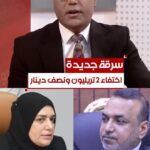
A major financial scandal erupted following revelations by Minister of Labor Ahmed Al-Asadi that 2.5 trillion Iraqi dinars (approximately $1.7 billion) had disappeared from the Social Welfare Fund. Raad Hashim (Post Impact: 14%) reported on the minister’s “bombshell” announcement, while Iyad Al-Anbar (Post Impact: 23%) drew a stark contrast between Iraq’s massive corruption and the UAE’s billion-dollar investment in AI for Africa. The situation was further complicated by conflicting official statements. Dr. Ghalib Al-Da’mi (Post Impact: 11%) questioned who to believe after the ministry itself denied the minister’s claims. Adding another layer, Yasser Eljuboori (Post Impact: 9%) alleged that the Ministry of Finance froze the Labor Ministry’s accounts after Al-Asadi attempted to pay himself and relatives billions in bonuses.
5. X/Twitter Location Feature Reportedly Exposes Disinformation Networks
The platform’s new feature displaying users’ geographic locations became a tool for Iraqi and Arab commentators to “expose” what they described as disinformation networks. Sufian Al-Samarrai (Post Impact: 27%) claimed that accounts inciting against Morocco were discovered to be operating from Qatar and Turkey, not Morocco. In another post, he alleged a major platform opposing the Moroccan monarchy was also found to be based in Qatar. Rusly Al-Maliki (Post Impact: 32%) praised the feature for revealing that accounts begging for money while pretending to be Saudi were, in fact, located elsewhere. The feature was also used to scrutinize Iraqi political figures, with Haydar (Post Impact: 19%) pointing out that the accounts of politician Khamis al-Khanjar and his party are all managed from Turkey.
6. Speculation Over Trump’s Movements and Potential Military Action
An unusual trip by former US President Donald Trump sparked intense speculation about imminent military action. The highly influential account Mujtahid Al-Iraq (Post Impact: 74%) analyzed Trump’s uncharacteristic weekend activity, which included a brief visit to Andrews Air Force Base. The account dismissed the official reason of overseeing maintenance work as a “decoy,” suggesting the real purpose was to “make a decision on military escalation against Venezuela.” The analysis drew parallels to Trump’s behavior before he ordered a strike on Iran, noting his silence toward journalists and the timing during the closure of global markets as indicators of a significant, covert decision.
7. Sunni Political Forces Announce Formation of a New Political Council
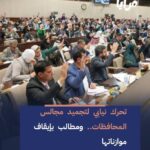
Iraqi Sunni political leaders announced the formation of a new bloc called the “National Political Council,” drawing varied reactions. Salim Al-Jumaili (Post Impact: 10%) described the council as a “noteworthy step” aimed at unifying positions and protecting constitutional rights. Mustafa Al-Dulaimi (Post Impact: 9%) suggested the move angered those who benefited from Sunni disunity. However, the development also attracted skepticism and sarcasm. Qusay Mahbouba (Post Impact: 10%) commented on the creation of a “Sunni Political Council” and sarcastically congratulated the “Shia Coordination Framework” for this “innovation,” implying it further entrenches sectarian divisions. This sentiment was echoed by Radhi Al-Ardhhalji (Post Impact: 11%), who criticized the leaders for meeting at Khamis al-Khanjar’s house to decide the fate of their constituents.
8. Scrutiny of Shia Coordination Framework’s Internal Politics and Influence
The internal dynamics and external influences on the Shia Coordination Framework, Iraq’s ruling coalition, were a subject of critical commentary. Emad Al-Musafir (Post Impact: 20%) questioned the “real reason” for the presence of former Prime Minister Haider al-Abadi at the Framework’s meetings, pointing out that Abadi boycotted the last elections and currently holds no parliamentary or popular weight. Meanwhile, Ghaith Al-Tamimi (Post Impact: 10%) made a strong claim about Iranian influence over Iraqi politics, stating that “two people, both named Ali, both Iranians, are the only ones who will decide the name of the next prime minister,” dismissing the role of any Iraqi committees or political bodies.
9. Reports of Imminent Israeli Multi-Front Attack on Iran, Lebanon, and Gaza
Several accounts amplified reports from Israeli media suggesting that Israel is preparing for a large-scale, simultaneous military attack on Iran, Lebanon, and Gaza, heightening regional tensions. Maan Habib (Post Impact: 9%) cited the Israeli newspaper *Maariv* on the Israeli army raising its alert level across the three fronts. Najah Mohammed Ali (Post Impact: 7%), referencing *Yedioth Ahronoth*, detailed an integrated attack plan that could include strikes on Iran’s nuclear and missile facilities. The reports suggest Israel aims to pre-emptively destroy the military capabilities of its adversaries. This was coupled with news from Raad Hashim (Post Impact: 6%) that Iran’s intelligence minister warned of US-Israeli plots to target Supreme Leader Ali Khamenei directly.
10. Proliferation of Uncontrolled Weapons Highlighted at Tribal Events in Maysan
The persistent problem of uncontrolled weapons in Iraq was highlighted through videos of tribal events in the southern province of Maysan. Rusly Al-Maliki (Post Impact: 10%) shared a video of a tribal procession in the Al-Kahla district where various light and medium machine guns and even RPG launchers were used freely. He pointedly noted that an army vehicle was present but appeared helpless to intervene. Hiba Al-Nnayib (Post Impact: 8%) also posted about the blatant use of heavy weaponry during a tribal sheikh’s funeral, questioning the difference between those responsible and ISIS terrorists and underscoring the failure to establish state control over arms.