2025-12-08: First Anniversary of the Fall of Bashar al-Assad

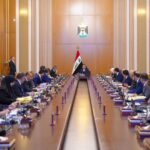
Based on an analysis of 467 X / Twitter posts trending in Iraq on December 8, 2025, Miqrab AI identified several key narratives. The most dominant theme was the first anniversary of the fall of Bashar al-Assad’s regime in Syria, which generated a wide range of reactions from celebration to concern over the country’s subsequent fragmentation. Accounts commemorated the event as a victory for the Syrian people’s will while others critiqued the new reality and the role of various factions. Another significant topic was criticism of Iran’s regional influence, amplified by controversial statements from former Iranian Foreign Minister Javad Zarif regarding Iran’s proxies. Domestically, discussions revolved around the complex process of forming a new government, criticism of political figures, and controversy over the disqualification of winning candidates from recent elections.
Table Of Content
- 1. First Anniversary of the Fall of Bashar al-Assad
- 2. Retrospective Views on Bashar al-Assad’s Regime
- 3. Commemoration of Qasem Soleimani
- 4. Criticism of Iranian Influence in Iraq
- 5. Former Iranian FM Javad Zarif’s Remarks on Proxies
- 6. Faiq Al-Sheikh Ali Mocks Ammar al-Hakim
- 7. Clashes in Lebanon Against Al-Jolani Supporters
- 8. Debate Over Iraq’s Next Prime Minister
- 9. Disqualification of Election Winner Najm al-Jubouri
- 10. US Bill Conditions Aid to Iraqi Forces on Disarming Militias
Today’s Top 10 X (Twitter) Trends in Iraq:
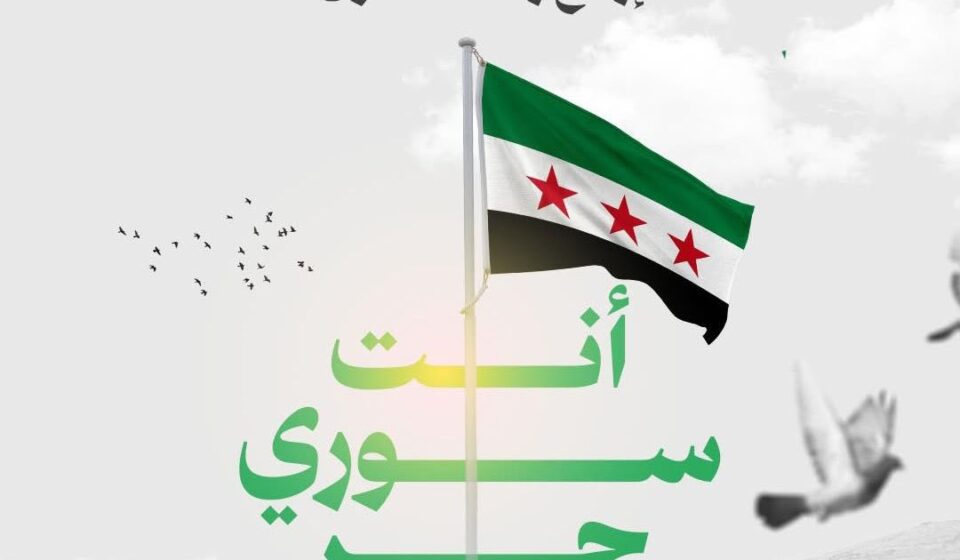
1. First Anniversary of the Fall of Bashar al-Assad
A major topic of discussion was the first anniversary of the fall of Bashar al-Assad’s regime in Syria, which elicited diverse reactions across Iraqi social media. The most engaged post came from Raghad Saddam Hussein (Post Impact: 100%), who congratulated the Syrian people on their “revolution’s victory” and expressed hope for a new era of freedom and dignity. Other accounts, such as Rusly Al-Maliki (Post Impact: 21%), celebrated Syria’s “liberation from the banner of Iran.” In contrast, Haidar (Post Impact: 27%) offered a critical perspective, arguing that the regime’s collapse revealed a deeply divided and extremist society, leading to a fragmented Syria. Similarly, Dr. Hussein Al-Safi (Post Impact: 12%) described the outcome as the replacement of one dictator with another and the division of the country into five conflicting regions. Liqaa Maki (Post Impact: 24%) praised the Syrian people for achieving change through their own sacrifices, contrasting their success with others who relied on foreign intervention.
2. Retrospective Views on Bashar al-Assad’s Regime
Alongside the anniversary, users reflected on the legacy and fall of Bashar al-Assad’s rule, often with a critical and mocking tone. The account Kashf Al-Abatil (Detecting Falsehoods) (Post Impact: 44%) shared a video of an Al Arabiya anchor from a past Arab summit expressing great joy at seeing President Bashar al-Assad in Saudi Arabia, highlighting the stark contrast with his eventual downfall. In a highly engaged post, Faiq Al-Sheikh Ali (Post Impact: 42%) questioned how a “security, intelligence, Stalinist, iron” system that ruled Syria with an “iron fist” could be penetrated and toppled by a “cheap… actress,” making the regime a “laughing stock of the ages.” These posts illustrate a narrative focused on the dramatic reversal of fortune for the former Syrian president and the perceived weaknesses of his once-feared regime.
3. Commemoration of Qasem Soleimani
Amid discussions of regional politics, the memory of former Iranian general Qasem Soleimani was invoked by his supporters. A post by Dr. Hussein Al-Safi (Post Impact: 44%) commemorated Soleimani, referring to him as “Fares Kerman (Knight of Kerman)” and the “greatest Shiite leader in the modern era.” The post highlighted one of his most famous statements, “I will not allow the fall of Baghdad,” framing him as a pivotal figure in regional security. Another account, Wasan Al-Shaikhli (Post Impact: 8%), shared a video featuring the cousin of the late commander. This narrative stands in contrast to the anti-Iran sentiment prevalent in other discussions, presenting a perspective that views Soleimani as a heroic and essential leader.
4. Criticism of Iranian Influence in Iraq
Several accounts expressed strong anti-Iranian sentiment, pointing to historical grievances and current security issues. Aayad Al Twfan (Post Impact: 28%) recalled a 1983 speech by Ayatollah Khomeini during the Iran-Iraq War, claiming he told his military commanders there were “no civilians, not even the little ones” in Basra, and lamented that “Iraqis are an emotional people with a memory of forgetfulness.” In a more contemporary critique, Rusly Al-Maliki (Post Impact: 21%) reported that the National Security agency raided a crystal meth lab in Basra and arrested an Iranian national, sarcastically remarking, “I wish there was a mountain of old shoes between us and Persia.” Ali Farhan (Post Impact: 6%) argued that Iran must “pay the price” for weakening Arab states through its proxies and spreading corruption.
5. Former Iranian FM Javad Zarif’s Remarks on Proxies
Statements by former Iranian Foreign Minister Mohammad Javad Zarif sparked significant debate and criticism. Multiple accounts reported on his comment that Iran’s allies were not acting on its behalf. Shaho Al-Qaradaghi (Post Impact: 19%) and Dr. Zaid Abdulwahab Al-Adhami (Post Impact: 16%) quoted Zarif as saying, “Our proxies were fighting for their own interests and did not fire a single bullet for Iran,” interpreting this as Iran disavowing its proxies. Dr. Al-Adhami questioned why Iran calls them proxies if they fight for their own interests. Liqaa Maki (Post Impact: 18%) also commented on Zarif’s “aggressive and arrogant” criticism of Arab Gulf countries during the Doha Forum, suggesting he was revealing the true nature of Iranian diplomacy, which requires more than just good intentions to counter.
6. Faiq Al-Sheikh Ali Mocks Ammar al-Hakim
Iraqi politician and commentator Faiq Al-Sheikh Ali garnered significant attention for a satirical post targeting Ammar al-Hakim, the leader of the National Wisdom Movement. In his post, Faiq Al-Sheikh Ali (Post Impact: 27%) mockingly announced his decision to grant al-Hakim a “social welfare salary” due to his eligibility. The satire continued by suggesting al-Hakim be moved from his home on the banks of the Tigris to a residence near the Mahmudiyah drain, where he could be provided with a space to “read the Baghdadi Chalghi.” The post reflects a trend of using sharp humor to critique prominent political and religious figures in Iraq. Another account, Mulla Aboud Al-Karkhi (Post Impact: 13%), noted that another politician, Najm al-Jubouri, had adopted Faiq Al-Sheikh Ali’s popular catchphrase, highlighting his influence on political discourse.
7. Clashes in Lebanon Against Al-Jolani Supporters
Events in neighboring Lebanon also trended, with reports of clashes between supporters of Syrian leader Ahmed al-Sharaa (Abu Mohammad al-Jolani) and the local population. The account Haidar (Post Impact: 26%) posted a video showing the “Lebanese people and the Lebanese army beating mercilessly” supporters of al-Jolani during a celebration in southern Lebanon. In a follow-up post, the same account shared another video showing residents of Haret Saida sending a message to al-Jolani after the confrontations. These posts highlight regional tensions and the contentious reception of the new Syrian leadership in parts of Lebanon.
8. Debate Over Iraq’s Next Prime Minister
The ongoing political maneuvering to select Iraq’s next prime minister was a subject of both serious and sarcastic commentary. Zaidon Samir (Post Impact: 11%) and Aws Al-Khafaji (Post Impact: 7%) both ironically declared their “full support” for the candidacy of Salam Adel, describing him as the “best representative of Shiite political Islam” and a “suitable representative of the political class.” On a more analytical note, Salim Al-Jumaili (Post Impact: 19%) commented on a candidate’s speech, calling it responsible and clear, and expressed hope that the Coordination Framework would not dismiss him as a “trivial person.” The posts reflect public skepticism and engagement with the opaque process of selecting the country’s leadership.
9. Disqualification of Election Winner Najm al-Jubouri
The decision by Iraq’s judiciary to disqualify Najm al-Jubouri, who won a parliamentary seat with the highest number of votes in Nineveh, drew widespread condemnation and confusion. Amer Ibrahim (Post Impact: 10%) described the situation as “absurd,” questioning why a candidate is repeatedly disqualified, reinstated, and then excluded after winning an election. Dr. Majid Shingali (Post Impact: 5%) argued the move was a “robbery of his rights and the rights of his voters,” pointing out the hypocrisy of allowing al-Jubouri to hold high-level security and executive positions like governor of Nineveh if he was truly subject to de-Baathification laws. Othman Al-Mokhtar (Post Impact: 6%) took a different view, stating he was “gloating” because al-Jubouri had allegedly covered up crimes by militias in Mosul.
10. US Bill Conditions Aid to Iraqi Forces on Disarming Militias
A proposed US law linking financial aid to the disarmament of certain factions in Iraq was another prominent topic. Accounts such as Dr. Zaid Abdulwahab Al-Adhami (Post Impact: 6%) and Haidar (Post Impact: 5%) discussed the draft of the US National Defense Authorization Act for 2026. They reported that the bill would suspend approximately 75% of funds allocated to support Iraqi forces until the US Secretary of Defense confirms that the Iraqi government has taken “effective steps to reduce the operational capabilities of Iran-linked factions” and integrate them into official security forces. This development was framed as a significant move by Washington to pressure Baghdad on the issue of armed groups operating outside of state control.