2025-12-09: Judicial Council Orders Prosecution of Political Dissent

Based on Miqrab AI’s analysis of 491 X / Twitter posts trending in Iraq on December 9, 2025, the online conversation was dominated by significant political developments both domestically and regionally. The primary narratives included widespread reaction to the fall of the Syrian regime and its implications for Iraq, intense debate over a new directive from Iraq’s Supreme Judicial Council to prosecute dissent against the political system, and ongoing maneuvering by political factions to form the next government. Other key themes involved commemorations of “Victory Day” over ISIS, criticism of foreign influence, particularly from Iran and Qatar, and reports of severe weather and flooding impacting various parts of the country.
Table Of Content
- 1. Judicial Council Orders Prosecution of Political Dissent
- 2. Muqtada al-Sadr Postpones Unified Prayer Due to Weather
- 3. Iraqis React to Fall of Syrian Regime
- 4. Sunni Leaders Meet in Qatar Amid Criticism
- 5. “Victory Day” Anniversary Sparks Competing Narratives
- 6. Government Formation and PM Selection Maneuvers
- 7. Heavy Rains Cause Flooding Across Iraq
- 8. Criticism of Iran Amid Javad Zarif’s Statements
- 9. Controversy Over Exclusion of Election Candidates
- 10. Reports of Impending US Sanctions on Iraqi Figures
Today’s Top 10 X (Twitter) Trends in Iraq:
1. Judicial Council Orders Prosecution of Political Dissent
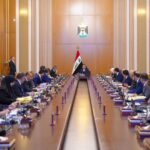
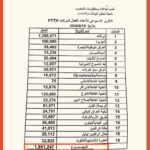
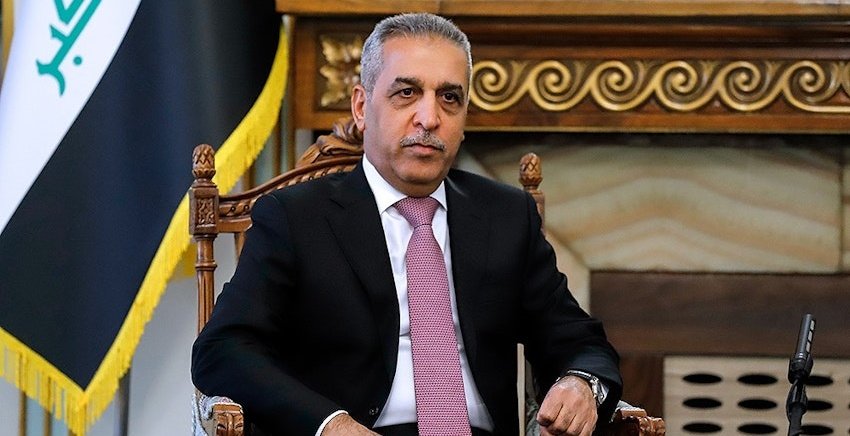
A directive from the Supreme Judicial Council, headed by Judge Faiq Zidan, sparked significant debate. The order instructs public prosecutors to take legal action against anyone who “incites or promotes the overthrow of the political system” or challenges its legitimacy through media or online platforms. Several accounts reacted strongly. Faig al-Sheikh Ali/My word for history (Post Impact: 16%) dismissed the document’s effectiveness, claiming it wasn’t personally signed by Zidan and that “no one will abide by it.” Conversely, accounts like Hayder (Post Impact: 8%) and Dr. Hayder al-Barzinji (Post Impact: 4%) reported the news straightforwardly, noting the action is meant to protect the constitutional order and civil peace. Critics such as Othman al-Mukhtar (Post Impact: 3%) and Omar Abdul Sattar Mahmoud (Post Impact: 3%) viewed the decision as a repressive move that transforms the judiciary into a defender of the political system and permits the suppression of activists and dissenters.
2. Muqtada al-Sadr Postpones Unified Prayer Due to Weather
The influential account Minister of the Leader – Salih Mohammed al-Iraqi (Post Impact: 80%), which represents Muqtada al-Sadr, announced the postponement of a planned unified Friday prayer. In a message attributed to al-Sadr, the reason given was concern for the safety of his followers due to cold and rainy weather. The message stated, “My beloved, I feel for you from the cold weather, the drizzle, and the rain, as your safety is important to me.” The prayer is to be rescheduled for another occasion, and al-Sadr concluded by saying that God accepts their intentions. The high engagement on this single post indicates its significant reach and importance among Sadr’s followers and the broader Iraqi public.
3. Iraqis React to Fall of Syrian Regime
The collapse of Bashar al-Assad’s regime in Syria was a major topic of discussion, with many Iraqi commentators expressing hope for a similar change in their own country. Abdulrazaq al-Hayali (Post Impact: 44%) posted an image of the Syrian revolutionary flag next to the Iraqi flag, anticipating the “expulsion of Iran’s tails from dear Baghdad.” Rusly Al-Maliki (Post Impact: 16%) shared videos of celebrations in Damascus’s Umayyad Square, calling it a victory over the “terrorist Bashar regime and its defeated ally Iran.” Similarly, Othman al-Mukhtar (Post Impact: 15%) celebrated Syria’s liberation from what he called “the filthiest sectarian criminal gang in history,” expressing hope for Iraq to follow. Dr. Zaid Abdulwahab al-Azami (Post Impact: 11%) shared a report from DW alleging that thousands of Iranian Revolutionary Guard officers fled Syria days before the regime’s fall.
4. Sunni Leaders Meet in Qatar Amid Criticism
A meeting in Doha between Qatar’s Emir Sheikh Tamim bin Hamad Al Thani, Taqaddum Party leader Mohammed al-Halbousi, and Azm Alliance leader Khamis al-Khanjar drew both official reporting and sharp criticism. The Media Office of the Taqaddum Party President (Post Impact: 3%) and Mustafa al-Dulaimi (Post Impact: 6%) reported that the meeting focused on completing constitutional requirements in Iraq and strengthening bilateral relations. However, the meeting was fiercely condemned by Faig al-Sheikh Ali/My word for history (Post Impact: 26%), who accused the Emir of Qatar and Khamis al-Khanjar of being “determined for years to destroy Iraq and kill its people” by participating in a political process alongside “Iran’s agents and its militias.” Hayder (Post Impact: 5%) also framed the meeting as continued intervention by Qatar and Turkey in Sunni political affairs.
5. “Victory Day” Anniversary Sparks Competing Narratives
The anniversary of Iraq’s victory over ISIS was marked with posts reflecting different perspectives on who deserves credit for the achievement. Wasan al-Shaikhli (Post Impact: 6%) credited Grand Ayatollah Ali al-Sistani’s fatwa, posting an image of him and writing, “The stoop of your back straightened Iraq’s back.” Another post by Wasan al-Shaikhli (Post Impact: 15%) stated, “We got it with blood, it wasn’t easy.” Other accounts emphasized the role of the Popular Mobilization Forces (PMF). Ali al-Mohandes (Post Impact: 5%) praised the “Shaybah of the Hashd” (a term for an elder fighter), stating that Shia forces defended Iraq against the “fiercest takfiri attack.” Similarly, Wesam Aziz (Post Impact: 4%) shared a video with the caption, “Victory Day… Here was the resistance and the Hashd.”
6. Government Formation and PM Selection Maneuvers
The process of forming a new government and selecting a prime minister was a recurring topic, with discussions about potential candidates and external pressures. Dr. Zaid Abdulwahab al-Azami (Post Impact: 4%), citing Iraqi sources, reported that the Coordination Framework received “clear American signals” against accepting any candidate linked to armed factions for the premiership. In another post, al-Azami (Post Impact: 2%) noted that the list of PM candidates has been narrowed to three, including the incumbent Mohammed Shia’ al-Sudani. Meanwhile, Dr. Laith Shubbar (Post Impact: 2%) indicated that Hamid al-Shatri and Ali al-Shukri were the leading names being considered by the Framework. The internal politics were also highlighted by Husham Ali (Post Impact: 4%), who reported that Shibl al-Zaydi had joined the Coordination Framework’s meetings.
7. Heavy Rains Cause Flooding Across Iraq
Severe weather conditions led to flooding in several Iraqi provinces, with users sharing videos and updates. Hayder (Post Impact: 15%) shared a video showing the Imam Hussein shrine in Karbala inundated with rainwater. Dr. Hussein al-Safi (Post Impact: 8%) reported a “total collapse” of infrastructure in the Kurdistan Region provinces due to heavy rains and flash floods. This was echoed by Kurdistan Region President Nechirvan Barzani (Post Impact: 5%), who expressed deep sorrow over the deaths of two citizens in Chamchamal due to the floods and offered condolences to their families. Another video from Hayder (Post Impact: 2%) showed flash floods in Kirkuk province.
8. Criticism of Iran Amid Javad Zarif’s Statements
Statements by former Iranian Foreign Minister Mohammad Javad Zarif sparked criticism and fueled anti-Iran sentiment online. Shaho al-Qaradaghi (Post Impact: 5%) quoted Zarif claiming, “Iran is a large country without any regional ambitions.” This was met with skepticism by accounts like Aayad Al Twfan (Post Impact: 7%), who described Zarif’s remarks about Iran’s proxies fighting for their own interests as hysterical and lacking credibility, arguing that Iran’s support for Palestine was merely a pretext for a “very dangerous plan to occupy and control several Arab capitals.” General anti-Iran rhetoric was also present, with Rusly Al-Maliki (Post Impact: 12%) mocking pro-Iran labels, stating, “Are you against Iran? That means you are an agent. Do you take pride in your Arab nationalism? You are a Baathist.”
9. Controversy Over Exclusion of Election Candidates
The judicial handling of election candidates Najm al-Jubouri and Taha al-Majmai was a point of contention. Emad Bajalan (Post Impact: 10%) appealed to the Iraqi judiciary to intervene in the case of Najm al-Jubouri, who he states received 40,000 votes but was disqualified based on a “malicious complaint.” Dr. Yahya al-Kubaisi (Post Impact: 5%) commented sarcastically on the situation, noting that both candidates were excluded by the electoral commission, reinstated by the judicial body, and then excluded again by the same three judges. He alleged that the final decision was a “hot, crispy, and cheap delivery order,” implying that the judicial process was compromised.
10. Reports of Impending US Sanctions on Iraqi Figures
Several accounts circulated reports about potential new US sanctions targeting Iraqi individuals and entities. Shaho al-Qaradaghi (Post Impact: 5%), citing Al-Araby Al-Jadeed, reported that US officials had confirmed sanctions would be imposed on parties involved in money laundering and financing activities for Iranian interests. This was echoed by Dr. Zaid Abdulwahab al-Azami (Post Impact: 2%), who added that the sanctions could target financial companies, banks, and political and factional figures for cooperating with Iran and for human rights violations. Omar Abdul Sattar Mahmoud (Post Impact: 3%) also cited a source close to Prime Minister al-Sudani stating that the sanctions would include government officials and private sector figures linked to Iran.