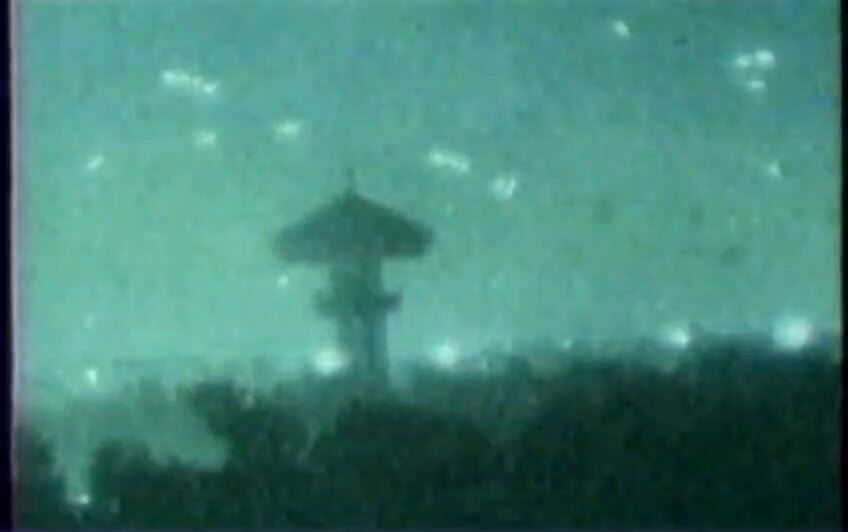
2026-01-17: Remembering the 1991 Gulf War

Based on an analysis of 651 X / Twitter posts trending on January 17, 2026, Miqrab AI has identified several key narratives circulating in Iraq. The dominant theme is regional tension, with significant discussion surrounding United States policy toward Iran, including direct statements from Donald Trump calling for new leadership in Tehran and reports of explosions in the Iranian capital. Another major topic is the evolving political landscape in Syria, focusing on a decree by President Ahmed al-Shara recognizing Kurdish rights, a move welcomed by Kurdish leaders but met with US pressure and military friction on the ground. Domestically, users are reflecting on the anniversary of the 1991 Gulf War, discussing the withdrawal of US troops from the Ain al-Asad base, and highlighting internal political divisions through coverage of pro-Iran demonstrations in Baghdad.
Table Of Content
- 1. Remembering the 1991 Gulf War
- 2. Syrian Decree on Kurdish Rights and US Reaction
- 3. Trump Calls for “New Leadership” in Iran
- 4. Reports of Explosions in Tehran
- 5. US Forces Withdraw from Ain al-Asad Base
- 6. Pro-Iran Demonstrations and Sentiment in Baghdad
- 7. Trump Reflects on Iraq Policy Mistake
- 8. Oman’s Governance and Role as a Mediator
- 9. Protests in Babil Against Militias and Corruption
- 10. Unconventional Warfare and Protest Technology
Today’s Top 10 X (Twitter) Trends in Iraq:
1. Remembering the 1991 Gulf War
Accounts on X are marking the anniversary of the 1991 Gulf War, also known as “Umm al-Ma’arik” (The Mother of All Battles) or Operation Desert Storm. Rusly Al-Maliki (Post Impact: 48%) shared a video showing Baghdad under bombardment from the 33-nation coalition. In another personal reflection, Rusly Al-Maliki (Post Impact: 29%) recalled his childhood memories of the war at age four, the fear induced by Saddam Hussein’s speeches, the sound of air raid sirens, and living under constant aerial bombardment. ZaidBenjamin (Post Impact: 7%) also noted the anniversary, mentioning that the international coalition began its military operation to liberate Kuwait after Saddam Hussein refused all initiatives for a voluntary withdrawal.
2. Syrian Decree on Kurdish Rights and US Reaction
There is significant discussion around a new decree from Syrian President Ahmed al-Shara concerning the country’s Kurdish population. Nechirvan Barzani (Post Impact: 92%), President of the Kurdistan Region, welcomed the decree, calling it “an important and correct political and legal step towards building a new Syria and guaranteeing the rights of all.” He urged that these decisions be enshrined in the next Syrian constitution. However, reports suggest US pressure on the Syrian government. Citing the Wall Street Journal, ZaidBenjamin (Post Impact: 44%) reported that US Vice President J.D. Vance asked al-Shara to resolve his differences with the Kurds and that US officials threatened to reimpose Caesar Act sanctions if he proceeded with a military operation. ZaidBenjamin (Post Impact: 12%) also detailed US concerns about a potential Syrian military operation against the Kurdish-led Syrian Democratic Forces (SDF).
3. Trump Calls for “New Leadership” in Iran
Statements by former US President Donald Trump regarding Iran are trending widely. Multiple accounts reported on his call for a change in the country’s leadership. Rusly Al-Maliki (Post Impact: 28%), Raad Hashim (Post Impact: 14%), and Omar Abdul Sattar Mahmoud (Post Impact: 13%) all posted the same direct quote: “Time for a new leadership for Iran.” Citing Politico, Maan Habib (Post Impact: 15%) elaborated on Trump’s comments, noting he said Khamenei has destroyed Iran with unprecedented levels of violence and that Iran is the worst place to live due to its leadership. Dr. Ihssan Al-Shmary (Post Impact: 26%) analyzed the situation, stating that Trump’s options toward Iran are either “surrender or a military strike.”
4. Reports of Explosions in Tehran
Several Iraqi accounts are sharing reports and videos of multiple explosions heard in the Iranian capital, Tehran. Raad Hashim (Post Impact: 37%) reported that residents heard three loud explosions across the city, describing it as sounding “like a bombing,” and noted that no official explanation had been issued. Similarly, Mujtahed Al-Iraq (Post Impact: 11%) reported a violent explosion in the Mosalla area of Tehran, suggesting that “special operations will take unfamiliar methods.” Dr. Zaid Abdulwahab Al-Adhami (Post Impact: 8%) also circulated footage claiming to show explosions in the capital.
5. US Forces Withdraw from Ain al-Asad Base
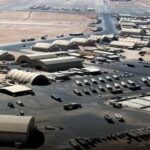
News of the US military’s withdrawal from the Ain al-Asad airbase in Anbar province is circulating on X. Hayder (Post Impact: 30%) posted a video allegedly showing the withdrawal, stating that the Iraqi Ministry of Defense announced the complete handover of the base to be managed by the Iraqi Army. The user Raad Hashim (Post Impact: 9%) also shared an image related to the news, questioning the validity of the report. The event is portrayed as a significant step in the transition of security responsibilities within Iraq.
6. Pro-Iran Demonstrations and Sentiment in Baghdad
Iraqi social media is abuzz with discussions about pro-Iran activities in Baghdad. Rusly Al-Maliki (Post Impact: 30%) posted a video of people standing for the Iranian national anthem in Baghdad, strongly criticizing what he described as a betrayal of Iraq, stating, “I promise you, this is the last time you will sing it here.” In a similar vein, Mohamed Almaroof (Post Impact: 13%) interpreted the playing of the Iranian anthem for a visiting US envoy as a message that “From Baghdad… here is Tehran,” arguing it confirms Iraq is under the authority of Wilayat al-Faqih. Conversely, Jaafar Al-Aboudi (Post Impact: 8%) shared a video of his participation in a solidarity rally with the Islamic Republic of Iran.
7. Trump Reflects on Iraq Policy Mistake
Donald Trump’s comments comparing his administration’s approach in Venezuela to past US policy in Iraq are being shared and discussed. Shaho Al-Qaradaghi (Post Impact: 29%) shared a clip of Trump stating, “We will not deal with the remnants of the Maduro regime in Venezuela as we did in Iraq when we expelled everyone from their positions in 2003, which made them join ISIS.” Hayder (Post Impact: 16%) posted a similar video, quoting Trump explaining that when everyone in Iraq’s police and military was fired, “they ended up in ISIS.” These posts highlight a reflection by the former US president on the consequences of de-Ba’athification and the dissolution of the Iraqi army.
8. Oman’s Governance and Role as a Mediator
A detailed article from Foreign Policy magazine, translated and shared by ZaidBenjamin (Post Impact: 33%), praises the governance of Oman’s Sultan Haitham bin Tariq, titling him “The Manager Who Saved Oman.” The article highlights his success in reducing public debt, boosting foreign investment, and positioning Oman as a leader in green hydrogen, contrasting his quiet, technocratic style with the “showmanship” of other Gulf states. Another article from the Washington Times, shared by ZaidBenjamin (Post Impact: 10%), frames Oman as a “voice of reason” between the US and Iran. It quotes Oman’s Foreign Minister, Badr bin Hamad Al Busaidi, stating his willingness to relay messages between Tehran and Washington to de-escalate tensions and avoid negotiating through public media statements.
9. Protests in Babil Against Militias and Corruption
Accounts are reporting on popular demonstrations in the Babil governorate, with citizens protesting against militias and demanding better governance. Ahmad Alwashah (Post Impact: 24%) shared a video with the caption “Babil rises up against the militias.” Another user, ahmedmeckya (Post Impact: 11%), provided a detailed commentary on a large demonstration, explaining that the people were not mobilized by major political figures but came out spontaneously to demand that a local citizen, Amir Al-Maamouri, be put in charge of the “beleaguered province” to rescue it from ruin and neglect.
10. Unconventional Warfare and Protest Technology
A highly engaging post by Rusly Al-Maliki (Post Impact: 100%) describes what he calls a “secret weapon” allegedly used by US forces to destroy the guard of Venezuelan President Maduro and their S-300 systems without any direct clash. While details of this weapon are not specified, the post points to a theme of advanced, non-traditional conflict methods. In a related vein, Dr. Ali Al-Jabiri (Post Impact: 11%) describes a new application, Bitchat, as a potential “secret weapon for protesters.” He explains that the app works without Wi-Fi or cellular data, instead using Bluetooth to create a decentralized network between phones, making it ideal for protesters in countries like Iran where governments shut down the internet to quell dissent.