2026-01-23: Tensions and Mobilization on the Iraqi-Syrian Border

Based on an analysis of 649 trending X / Twitter posts on January 23, 2026, by Miqrab AI, the primary narrative in Iraq is dominated by acute regional anxiety and domestic political instability. A significant portion of the conversation focuses on escalating tensions at the Iraqi-Syrian border, with numerous accounts sharing images of military fortifications and criticizing the presence of various groups and individuals. This is compounded by widespread fear of a broader regional conflict involving the United States, Iran, and Israel, fueled by reports of international flight cancellations and military buildups. Internally, discussions are centered on intense US political pressure on Baghdad regarding the formation of the new government, specifically the controversial appointment of Adnan Fihan as Deputy Speaker of Parliament and the inclusion of armed factions, with threats of economic sanctions causing concern. Other prominent themes include commentary comparing the current geopolitical climate to the run-up to the 2003 invasion, strong anti-Syrian sentiment, and heated debates over the fate of ISIS prisoners held in Iraqi jails.
Table Of Content
- 1. Tensions and Mobilization on the Iraqi-Syrian Border
- 2. Fears of Regional War Amid US-Iran Escalation
- 3. US Pressures Iraq Over Government Formation, Threatens Sanctions
- 4. Muqtada al-Sadr’s Cryptic Post Garners Massive Engagement
- 5. Commentator Draws Parallels Between Today and Pre-2003 Iraq
- 6. Widespread Criticism of Syrian Factions and Anti-Syrian Rhetoric
- 7. Calls for Mass Execution of ISIS Prisoners to Save State Funds
- 8. Analyst Links Regional Crises to Sectarianism in Iraq
- 9. Economic Anxieties Rise Over Government Cuts and Falling Dinar
- 10. Iraqi Counter-Terrorism Service Projects Image of Strength
Today’s Top 10 X (Twitter) Trends in Iraq:
1. Tensions and Mobilization on the Iraqi-Syrian Border
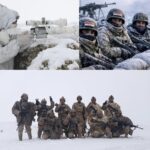
A major focus of discussion is the tense situation on the Iraqi-Syrian border, with multiple accounts posting images and videos of Iraqi forces and other individuals gathering there. The account Haider (Post Impact: 31%) shared a photo of Iraqi fortifications, coupled with a vitriolic post claiming Syrians wrongly perceive the measures as fear, calling them “stray dogs”. Other users mocked the scene, with Tamara Alkhazraji (Post Impact: 24%) and Ali Farhan (Post Impact: 7%) ridiculing individuals, including a cleric with a sword, for taking “selfies” at the border for attention. Meanwhile, official and pro-militia accounts sought to project strength; the Iraqi Ministry of Defence (Post Impact: 8%) posted pictures of its 20th Infantry Division stationed there, and Wasan Alshaykhli (Post Impact: 11%) shared videos calling for prayers for “the heroes of the Hashd [PMF]”.
2. Fears of Regional War Amid US-Iran Escalation
Anxiety over a looming regional conflict is palpable, driven by reports of military preparations and travel disruptions. Steven Nabil (Post Impact: 22%) reported that Dutch, British, and French airlines were suddenly canceling flights to Saudi Arabia, the UAE, and Israel. This was echoed by Dr. Hussein Al-Safi (Post Impact: 11%), who also listed flight cancellations by Germany and Switzerland and cited Israeli Channel 12 news predicting an Iranian attack within hours. The narrative of imminent US action was reinforced by Dr. Ali Al-Jabiri (Post Impact: 8%), who stated that the US had completed its force deployment in the region and was waiting for a “green light”. Adding to the tension, Raad Hashim (Post Impact: 8%) quoted the US Ambassador in Tel Aviv warning that “Iran will find out what Trump sent to the region.”
3. US Pressures Iraq Over Government Formation, Threatens Sanctions
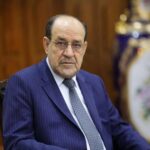
A significant narrative revolves around US pressure on Iraq concerning its new government, particularly the appointment of Adnan Fihan of Asa’ib Ahl al-Haq as Deputy Speaker of Parliament. Multiple accounts cited a Financial Times report on the matter. Faiq Al-Sheikh Ali (Post Impact: 20%) claimed the US objects to Fihan’s presence and that he has “no choice but to leave the post,” suggesting various face-saving exits. Steven Nabil (Post Impact: 7%) and Dr. Zaid Abdul-Wahab Al-A’zami (Post Impact: 8%) both reported that the US Embassy demanded Fihan’s replacement. The pressure extends beyond individuals, as Rusly Al-Maliki (Post Impact: 11%), citing Reuters, stated the US warned that sanctions would be imposed on Iraq if “any armed group enters the formation of the next Iraqi government.”
4. Muqtada al-Sadr’s Cryptic Post Garners Massive Engagement
The single most impactful post of the day came from influential cleric Muqtada al-Sayyid Muhammad al-Sadr (Post Impact: 100%). The post contained no text, consisting only of a link to an image of himself. Despite its lack of explicit messaging, the post achieved the maximum possible engagement score, indicating its significant reach and the high level of attention paid to any communication from al-Sadr by the Iraqi public. The cryptic nature of the post has likely spurred widespread speculation among his followers and political observers about its intended meaning amidst the current regional and domestic tensions.
5. Commentator Draws Parallels Between Today and Pre-2003 Iraq
Prominent politician and commentator Faiq Al-Sheikh Ali (Post Impact: 26%) drew a direct parallel between the current geopolitical climate and the period leading up to the 2003 invasion of Iraq. He stated, “What we are going through now is exactly what we went through in 2002!” He compared rising US statements under Trump to those under Bush, Saddam Hussein’s defiance to that of Khamenei, and the former Iraqi opposition to today’s militias, describing both as incompetent. This sentiment of reflecting on past US interventions was also touched on by Aayad Al Twfan (Post Impact: 13%), who shared a clip of Donald Trump saying the US was “very wrong” to invade Iraq because it destroyed a key counterbalance to Iran.
6. Widespread Criticism of Syrian Factions and Anti-Syrian Rhetoric
Amidst the border tensions, strong anti-Syrian rhetoric and criticism of various Syrian factions circulated widely. A highly engaged post from Haider (Post Impact: 31%) launched a scathing attack on the Syrian people, calling them “a backward and barbaric people” and a source of terrorism and crime. Other posts focused on specific armed groups, with Hassan Alkaabi (Post Impact: 13%) mocking the appearance of officers from “the terrorist Jolani gangs,” asking, “Is there an army in the world whose officers look like billy goats?” Similarly, Issam Hussein (Post Impact: 6%) also criticized what he called the “Jolani movement in Iraq,” contrasting their views with Shiite perspectives.
7. Calls for Mass Execution of ISIS Prisoners to Save State Funds
The presence of thousands of ISIS members in Iraqi prisons has sparked a debate, with some prominent accounts calling for their mass execution. Ahmad Abdulsada (Post Impact: 12%) argued that if international pressure prevents official executions, the state should resort to covert methods. He suggested poisoning their food, staging a violent “riot” to justify shooting them, or faking a mass escape to a remote desert area where they could be killed and buried, turning them into “the disappeared.” This sentiment was echoed by Haider (Post Impact: 5%), who framed the issue economically, stating that the $205 million spent annually on prisoners could build schools and hospitals, concluding, “Execute them and save the state resources.”
8. Analyst Links Regional Crises to Sectarianism in Iraq
A detailed analysis by commentator Othman Al-Mukhtar (Post Impact: 13%) argues that since 2011, every external sectarian crisis has been exploited by “Shiites in power” to incite violence against Sunnis within Iraq. He lists several examples, including retaliatory attacks in Baghdad and Basra after events in Egypt, crimes in Diyala following unrest in Bahrain, and mass executions in Nasiriyah after Saudi Arabia executed Nimr al-Nimr. He claims the current tensions with Syrian Democratic Forces (SDF) are again being used to fuel hate speech against Iraqi Sunnis, asking, “When will this farce end?” In a separate post seemingly celebrating violence against minorities in Syria, Haider (Post Impact: 8%) noted that people in Gaza were celebrating “massacres against the Alawites… the Druze… the Kurds.”
9. Economic Anxieties Rise Over Government Cuts and Falling Dinar
Growing economic anxieties were a key topic, fueled by government policy changes and currency fluctuations. Rusly Al-Maliki (Post Impact: 11%) reported that the Iraqi government decided to “completely ban daily contracts and wages,” a move he saw as a consequence of a failing financial system and excessive hiring that is leading to bankruptcy. At the same time, concerns over the stability of the national currency grew. Omar Abdul Sattar Mahmoud (Post Impact: 12%) reported the “collapse of the Iraqi dinar against the dollar to 152,000,” attributing the sharp decline directly to news that Washington intends to impose sanctions on Iraq and restrict the flow of dollars.
10. Iraqi Counter-Terrorism Service Projects Image of Strength
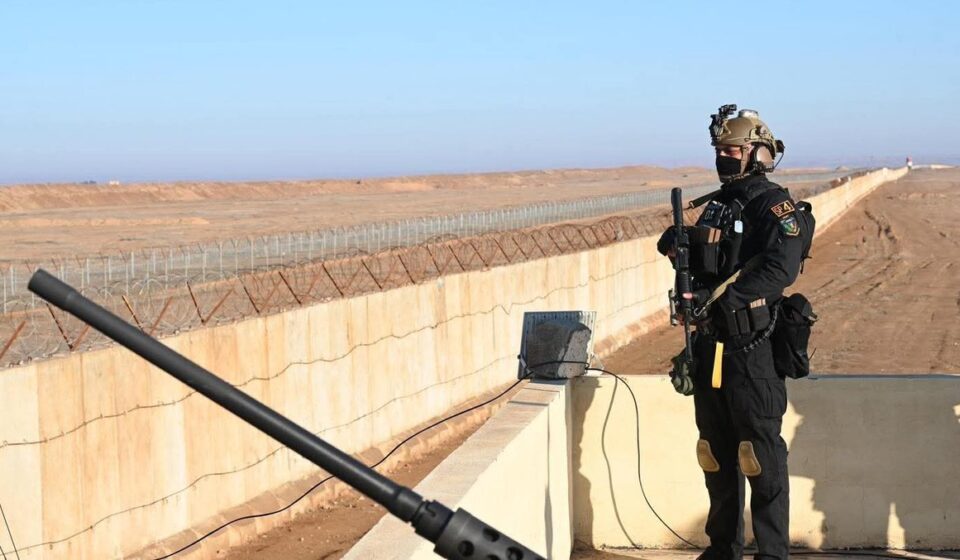
The official account of the Iraqi Counter-Terrorism Service (Post Impact: 12%) was active in promoting an image of readiness and strength. In one post featuring a photograph of its heavily armed operatives, the service declared, “The heroes of the Counter-Terrorism Service are the heroes of all circumstances.” The account also published another post showing a soldier looking over a city with the hashtag #WeWillRemainVictorious. These posts, which garnered significant engagement, serve to reassure the public of the force’s capabilities and patriotism amidst the backdrop of heightened national and regional security concerns.