2026-01-29: Muqtada al-Sadr’s Call to Followers

Based on a Miqrab AI analysis of 565 posts trending on January 29, 2026, the dominant narrative on X / Twitter in Iraq revolves around the escalating military and political tensions between the United States and Iran, with numerous accounts tracking military deployments, threats, and diplomatic maneuvering. Domestically, discussions are heavily focused on the controversial potential premiership of Nouri al-Maliki, fueled by alleged opposition from the Trump administration and rumors surrounding US envoy Mark Savaya. Prominent political figures like Muqtada al-Sadr and Faiq Al-Sheikh Ali have driven significant engagement with their respective calls to followers and sharp critiques of the ruling elite. Concurrently, regional dynamics, including the growing rivalry between Saudi Arabia and the UAE, and international support for Kurdish factions, are also significant topics of conversation, alongside reports on the death of Syrian actress Huda Sha’arawi.
Table Of Content
- 1. Muqtada al-Sadr’s Call to Followers
- 2. Escalating US-Iran Military Tensions
- 3. Faiq Al-Sheikh Ali Criticizes Elites, Dismisses Rumors
- 4. Speculation Surrounds US Envoy Mark Savaya
- 5. Expressions of Support for Iran and the Houthis
- 6. Murder of Syrian Actress Huda Sha’arawi Reported
- 7. Diplomatic Efforts to De-escalate Iran-US Crisis
- 8. Debate Over Nouri al-Maliki’s Candidacy for PM
- 9. Growing Saudi-UAE Rivalry Highlighted
- 10. US Senator Graham’s Support for the Kurds
Today’s Top 10 X (Twitter) Trends in Iraq:
1. Muqtada al-Sadr’s Call to Followers
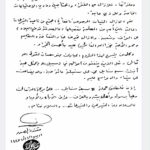
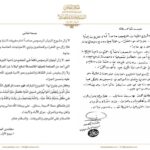
The most impactful posts came from influential cleric Muqtada Sayyid Muhammad Al-Sadr (Post Impact: 100%), who published two images containing statements. While the posts themselves had no text, the images contained messages from the Sadrist movement. These posts generated significant discussion and reaction online. Following the publication, other accounts reported on the response from his followers. For instance, Alaa Alabadi (Post Impact: 7%) posted a video with the caption, “After the call of Mr. Al-Sadr: Here are the faithful crowds walking to holy Karbala.” Similarly, Safaa Al-Asadi (Post Impact: 4%) shared content praising al-Sadr’s influence with the hashtag #يد_الصدر (Hand of Sadr). The posts from Muqtada Sayyid Muhammad Al-Sadr (Post Impact: 70%) continued to amplify this mobilization.
2. Escalating US-Iran Military Tensions
A major topic of discussion is the heightened military tension between the United States and Iran. Rusly Al-Maliki (Post Impact: 43%) reported that the Iranian aircraft carrier “Shahid Bagheri” was conducting military drills in the Arabian Gulf, noting it was named after a Revolutionary Guard commander killed by the Iraqi army in 1988. This account also highlighted a significant and “unprecedented” movement of US military aircraft toward the Middle East in a separate post. Adding to the sense of imminent conflict, Wasan Al-Shaikhli (Post Impact: 25%) claimed the Iranian Navy gave a 24-hour ultimatum to a US aircraft carrier to withdraw or be sunk, stating, “this is not a threat but a reality.” Meanwhile, Mujtahid Al-Iraq (Post Impact: 18%) shared a video allegedly showing weapons being smuggled to non-Persian groups in Iran in preparation for strikes.
3. Faiq Al-Sheikh Ali Criticizes Elites, Dismisses Rumors
Prominent politician Faiq Al-Sheikh Ali/My Word for History (Post Impact: 31%) launched a scathing attack on the Coordination Framework, calling them “cowardly” and servants of America who should not dare to confront the United States. He stated, “You are America’s servants and employees. It gathered you from the filthiest streets of Syria, Iran, and London and handed you the rule of Iraq. What sovereignty and independence are you talking about?” In separate, highly engaged posts, he humorously dismissed widespread rumors of his death. He noted that news of his supposed demise has been published more times than that of Izzat al-Duri, mocking the false reports and contrasting the modern ambulances in London with the situation in Iraq in other posts from his account (Post Impact: 22% and Post Impact: 19%).
4. Speculation Surrounds US Envoy Mark Savaya
The status of Mark Savaya, US President Trump’s envoy to Iraq, became a major point of speculation after his X account was deactivated. Rusly Al-Maliki (Post Impact: 16%) provided a detailed analysis, dismissing as “fake” a widely circulated tweet claiming Trump had ended Savaya’s mission. Instead, he suggested the White House may have hidden Savaya to signal displeasure with the Coordination Framework’s insistence on nominating Nouri al-Maliki for Prime Minister, hinting at potential diplomatic actions against Baghdad. Other accounts, including Falah Al-Mashal (Post Impact: 9%) and Rafid Jaboori (Post Impact: 5%), also reported on the deactivation and the unconfirmed rumors that Savaya was fired over bribery allegations, highlighting the lack of official confirmation.
5. Expressions of Support for Iran and the Houthis
Amid rising regional tensions, several accounts expressed strong support for Iranian Supreme Leader Ali Khamenei and other figures in the “Axis of Resistance.” Sheikh Falah Al-Qurayshi (Post Impact: 31%) shared a video of Khamenei, describing him as defiantly challenging the entire American arsenal and threats of assassination. Similarly, Wesam Aziz (Post Impact: 31%) voiced support from Iraq for Houthi leader Abdul-Malik al-Houthi, quoting the late Hussein Badreddin al-Houthi: “Shout and you will find those who shout with you.” Abbas Al-Ardawi (Post Impact: 9%) also posted a prayer for Khamenei’s protection, describing him as a man from the “school of Karbala” standing up to the “Pharaoh of the age.”
6. Murder of Syrian Actress Huda Sha’arawi Reported
The death of veteran Syrian actress Huda Sha’arawi, known for her role as “Umm Zaki” in the series *Bab Al-Hara*, was reported across several Iraqi X accounts. A post by Haidar (Post Impact: 22%) stated she was killed in her home in Damascus by “extremist gangs.” A more specific accusation was made by Ali Abd Al-Sahib Al-Jubouri (Post Impact: 12%), who claimed that a colonel in Hay’at Tahrir al-Sham, identified as “Abu Muhammad Diaa Al-Masri,” was responsible for her murder.
7. Diplomatic Efforts to De-escalate Iran-US Crisis
Alongside reports of military escalation, some accounts focused on diplomatic efforts to prevent a wider conflict. Rusly Al-Maliki (Post Impact: 22%) discussed potential conditions for de-escalation, suggesting Iran might be forced to abandon its nuclear and missile programs and give up its regional proxies in exchange for the regime’s survival. The post also noted that Turkey is leading mediation talks, with Iranian official Abbas Araghchi scheduled to meet the Turkish Foreign Minister. However, skepticism was expressed by Liqaa Maki (Post Impact: 7%), who argued that such talks are a waste of time since the Iranian president lacks final decision-making authority, which rests with the Supreme Leader, making it unlikely Iran would accept US conditions.
8. Debate Over Nouri al-Maliki’s Candidacy for PM
The potential nomination of Nouri al-Maliki for a third term as Prime Minister is a highly contentious topic, particularly following perceived US opposition. Dr. Zainab Al-Dulaimi (Post Impact: 10%) discussed a caricature allegedly posted and then deleted by Donald Trump that threatened al-Maliki, suggesting this action is enough to change the prime ministerial candidate. Conversely, Ahmad Abdulsada (Post Impact: 9%) defended al-Maliki, framing the opposition to his candidacy as being driven by the same regional powers (Qatar, Saudi Arabia, Turkey) that he claims supported “Takfiri terrorism.” Adding another perspective, Shaho Al-Qaradaghi (Post Impact: 8%) quoted politician Ayad Jamal al-Din, who claimed that Iraqi factions had to “resort to Trump” because no one domestically dared to oppose al-Maliki.
9. Growing Saudi-UAE Rivalry Highlighted
The strategic rivalry between Saudi Arabia and the United Arab Emirates was a prominent theme in regional analysis. Sufian Al-Samarrai (Post Impact: 25%) contrasted the grand, formal reception for the President of the UAE in Russia with the back-door treatment allegedly given to other leaders, using it as a commentary on perceived diplomatic status. A much more detailed analysis was provided by Zaid Benjamin (Post Impact: 13%), who posted a full translation of a *Foreign Policy* magazine article titled “The Gulf Rift.” The article details how the “student (UAE) rebelled against the teacher (Saudi Arabia),” outlining their competing visions and proxy conflicts in Yemen and Sudan, and their differing approaches to Israel and regional stability.
10. US Senator Graham’s Support for the Kurds
Statements by US Senator Lindsey Graham in support of Kurdish populations garnered significant attention. Zaid Benjamin (Post Impact: 16%) reported that Graham warned Turkey and Saudi Arabia in a radio interview that the US would hold them accountable if the situation deteriorates for the Kurds in Syria. This was met with praise from accounts like Entifadh Qanbar (Post Impact: 13%), who offered a “standing ovation and our deep appreciation” for the senator’s “unequivocal support.” Furthermore, Dr. Nayif Kurdistani (Post Impact: 6%) promoted a law proposed by Graham that would impose strict sanctions on any government or entity involved in hostilities or abuses against the Kurdish people, urging followers to voice their support.