2026-02-08: Iranian Consul Calls for Iraqi Defense of Iran

Based on a Miqrab AI analysis of 451 trending X / Twitter posts in Iraq on February 8, 2026, the online discourse was dominated by widespread economic discontent and geopolitical tensions. The most prominent narrative centered on nationwide commercial strikes and protests against new government-imposed customs tariffs, with users debating whether the blame lies with the government’s fiscal policies or opportunistic merchants. Concurrently, high-engagement conversations focused on Iran’s influence, particularly a controversial statement by its consul in Basra regarding a potential conflict with the U.S. Other significant topics included a heated debate over the legacy of Abd al-Karim Qasim on the anniversary of his overthrow, controversial statements on Kurdish identity by Masrour Barzani, and analysis of ongoing U.S.-Iran negotiations and their implications for regional stability.
Table Of Content
- 1. Iranian Consul Calls for Iraqi Defense of Iran
- 2. Debate on Legacy of Abd al-Karim Qasim on Coup Anniversary
- 3. Kurdish Leader’s “I am not Iraqi” Comment Sparks Backlash
- 4. Analysis of Iran’s Military Strategy Amid Regional Tensions
- 5. Widespread Protests and Strikes Against New Customs Tariffs
- 6. Commentary on Secretive US-Iran Negotiations
- 7. Infighting and Tensions within the Shia Political Framework
- 8. Counter-narrative Supports New Customs System as Necessary Reform
- 9. Poll on Potential Return of Adel Abdul Mahdi
- 10. Public Debates Blame for High Prices: Government or Merchants?
Today’s Top 10 X (Twitter) Trends in Iraq:
1. Iranian Consul Calls for Iraqi Defense of Iran
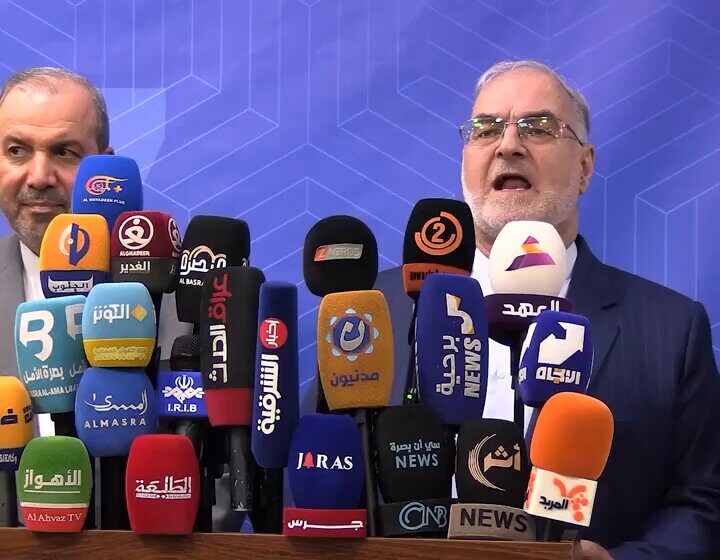
A statement from the Iranian Consul in Basra sparked significant controversy and criticism on X. According to Rusly Al-Maliki 🇮🇶 رسلي المالكي (Post Impact: 100%), the consul declared that in the event of an American attack on Iran, Iraqis would be expected to “defend the sacred system of the Islamic Republic!!!!” Al-Maliki expressed disdain for the statement, blaming Iraqi collaborators for enabling such rhetoric. Dr. Zaid Abdulwahab Al-Azami (Post Impact: 24%) also reported on the consul’s warning that any U.S. or Israeli attack on Iran would lead to a comprehensive war, highlighting the direct implications for Iraqi sovereignty and regional stability.
2. Debate on Legacy of Abd al-Karim Qasim on Coup Anniversary
The anniversary of the February 8, 1963 coup that overthrew Abd al-Karim Qasim triggered a sharp historical debate. In a lengthy post, Rusly Al-Maliki 🇮🇶 رسلي المالكي (Post Impact: 89%) harshly condemned Qasim, accusing him of betraying the monarchy, opening the “gate of blood,” and derailing Iraq’s progress with his “ill-fated revolution.” In stark contrast, Issam Hussein (Post Impact: 25%) described the coup as a “crime by the Ba’ath” that opened the door for a dark era in Iraq. Meanwhile, Ahmad Abdul Sada (Post Impact: 17%) offered a more personal reflection, praising Qasim as the “son of Kaifiyya,” highlighting his mother’s kindness and charity as the source of his dedication to the poor.
3. Kurdish Leader’s “I am not Iraqi” Comment Sparks Backlash
Statements by Masrour Barzani generated significant controversy regarding Kurdish identity and national allegiance. Haidar (Post Impact: 88%) highlighted the perceived contradiction in Barzani’s remarks, quoting him as saying, “I am not Iraqi.. I am Kurdish,” while simultaneously asserting that the Iraqi presidency is a Kurdish entitlement. Dr. Zainab Al-Dulaimi (Post Impact: 26%) echoed this sentiment, interpreting the statement as the Kurds disassociating themselves from Iraq and Arab identity. In another post, she pointed out the irony of this position while the Kurdistan region demands “salaries, allocations, privileges, and protection” from the Iraqi state.
4. Analysis of Iran’s Military Strategy Amid Regional Tensions
Amid heightened regional tensions, several accounts analyzed Iran’s military capabilities and potential war scenarios. Dr. Hussein Al-Safi (Post Impact: 70%) provided a detailed 17-point analysis arguing that a previous 12-day war with Israel was a “gift” that allowed Iran to identify security gaps, improve its air defense and electronic warfare systems, and develop a more resilient command structure. In a related development, Hiba Alnnayib (Post Impact: 39%) shared a statement attributed to the Deputy Chief of Staff of the Popular Mobilization Forces, who reportedly said the PMF would not participate in any war between Iran and the United States. Meanwhile, Mujtahid al-Iraq (Post Impact: 21%) outlined a “very likely” war scenario in which coordinated US-Israeli strikes would coincide with internal movements inside Iran and economic pressure on Iraq to collapse Iran’s “last line of defense.”
5. Widespread Protests and Strikes Against New Customs Tariffs
A dominant theme was the widespread public anger and commercial strikes in response to new government taxes and customs tariffs. Video posts from accounts like Hiba Alnnayib (Post Impact: 65%) showed hundreds of protestors gathering in Tahrir Square with chants of “Ali Baba, Ali Baba,” a reference to thievery. Dr. Qusay Shafiq (Post Impact: 51%) noted that the people were returning to demonstrations “against the thieves of the people” after being plundered. Mustafa Al-Dulaimee (Post Impact: 35%) framed the protests as the “spark of the beginning of the end” for a “government of taxes and starvation.” Reports from Haidar (Post Impact: 27%) confirmed a widespread commercial strike, including in Baghdad’s major Shorja market, aimed at pressuring the government to reduce the new tariffs.
6. Commentary on Secretive US-Iran Negotiations
The ongoing negotiations between the U.S. and Iran were a subject of intense speculation and analysis. Najah Mohammed Ali (Post Impact: 38%) quoted Iranian Foreign Minister Abbas Araghchi, who stressed the need for steadfastness and warned that the country must be run without reliance on the negotiations’ outcome. Rusly Al-Maliki 🇮🇶 رسلي المالكي (Post Impact: 30%) argued that the public statements from both sides are posturing, and the true nature of the talks in Oman remains unknown until their conclusion. From another angle, Laqaa Maki (Post Impact: 28%) noted that Israeli Prime Minister Netanyahu was rushing to Washington to prevent a “bad” deal, reflecting Israeli press concerns about a partial agreement that President Trump might present as a major achievement.
7. Infighting and Tensions within the Shia Political Framework
Tensions within the Shia Coordination Framework were a prominent topic, with several posts highlighting internal conflicts and warning of their consequences. Najah Mohammed Ali (Post Impact: 36%) warned of the “danger of overthrowing the so-called Shiite governance,” while bloggers within the framework were engaged in “fabricated conflicts and mutual discrediting of symbols.” In another post, he specifically addressed bloggers affiliated with the State of Law coalition, calling their attacks on Sheikh Qais Khazali a “grave strategic mistake” that serves an enemy plan to strike the Iraqi internal front. Wasan Al-Shaikhli (Post Impact: 17%) commented on the intensity of the dispute between supporters of Maliki and Asa’ib Ahl al-Haq, questioning what would happen to Iraq if these factions lost their positions and money.
8. Counter-narrative Supports New Customs System as Necessary Reform
In contrast to the widespread condemnation of the new customs tariffs, several analysts presented a counter-narrative framing the move as a necessary, albeit disruptive, reform. Rusly Al-Maliki 🇮🇶 رسلي المالكي (Post Impact: 36%) explained that the Iraqi government is under U.S. pressure to control smuggling and money laundering that benefits Iran and that the new tariffs are a “preventive measure to protect Iraqi money.” Similarly, Salem Al-Jumaili (Post Impact: 23%) described the situation as an “economic ‘wing-clipping’ battle,” suggesting Washington is forcing Baghdad to dismantle the financing networks of militias. MUNQITH DAGHER (Post Impact: 14%) argued that the new ASYCUDA system targets corrupt, “fake importers” who previously used falsified manifests to smuggle currency out of the country.
9. Poll on Potential Return of Adel Abdul Mahdi
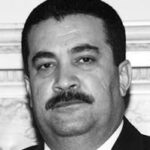
The potential return of a former prime minister to power became a topic of discussion through a poll posted by Wasan Al-Shaikhli (Post Impact: 56%). The post simply asked followers, “Do you support the return of Mr. Adel Abdul Mahdi to the post of Prime Minister??” accompanied by a picture of the former premier. The high engagement on this singular post indicates a continued public interest and debate surrounding past political figures and their potential role in Iraq’s future, stirring conversation about the performance of previous administrations compared to the current one.
10. Public Debates Blame for High Prices: Government or Merchants?
Beyond the protests against government policies, a parallel debate emerged about the role of merchants in the current economic crisis. Sajjad Al-Jubori (Post Impact: 37%) expressed no sympathy for “merchants who turned the exchange rate crisis into an opportunity for extortion,” accusing them of manipulating prices for personal gain. Ahmed Al-Rubaie (Post Impact: 32%) posed an economic question asking why consumers bear the cost of the black market exchange rate when importers buy dollars from the central bank at the official rate. Adam (Post Impact: 29%) predicted that after merchants fail to pressure the government, they will simply pass the new customs costs onto consumers, who will then be the ones protesting high prices while the merchants stay home.