2026-02-12: Escalating Tensions Between the US, Israel, and Iran

Based on an analysis of 394 X / Twitter posts trending in Iraq on February 12, 2026, Miqrab AI identified several dominant narratives circulating on the platform. The foremost topic of discussion revolves around escalating regional tensions, with numerous accounts speculating on the likelihood of a military confrontation between the United States, Israel, and Iran, fueled by statements from former President Trump and reports of military readiness. Domestically, intense political maneuvering for the position of Prime Minister is a key theme, with significant debate surrounding the candidacy of Nouri al-Maliki and criticism from various political commentators. Other major conversations include a cultural controversy over an upcoming Ramadan television series perceived as offensive to Shia religious sentiments, disputes over Kurdish political influence in federal institutions, and the ongoing impact of regional instability, particularly in Syria, on Iraq and its citizens.
Table Of Content
- 1. Escalating Tensions Between the US, Israel, and Iran
- 2. Controversy Over “Hamdiya” Ramadan TV Series
- 3. Political Struggle for Iraq’s Prime Minister Position
- 4. Disputes Over Kurdish Political Influence
- 5. US Warns Against Iranian Influence in Iraq
- 6. Economic Stagnation in Syria’s Sayyidah Zaynab Area
- 7. Netanyahu on the Killing of Hassan Nasrallah
- 8. Reports on Iran’s Internal Political Situation
- 9. Syrian Army Deploys on Iraqi Border After US Handover
- 10. Aayad Al-Twfan’s Critique of Sectarianism
Today’s Top 10 X (Twitter) Trends in Iraq:
1. Escalating Tensions Between the US, Israel, and Iran
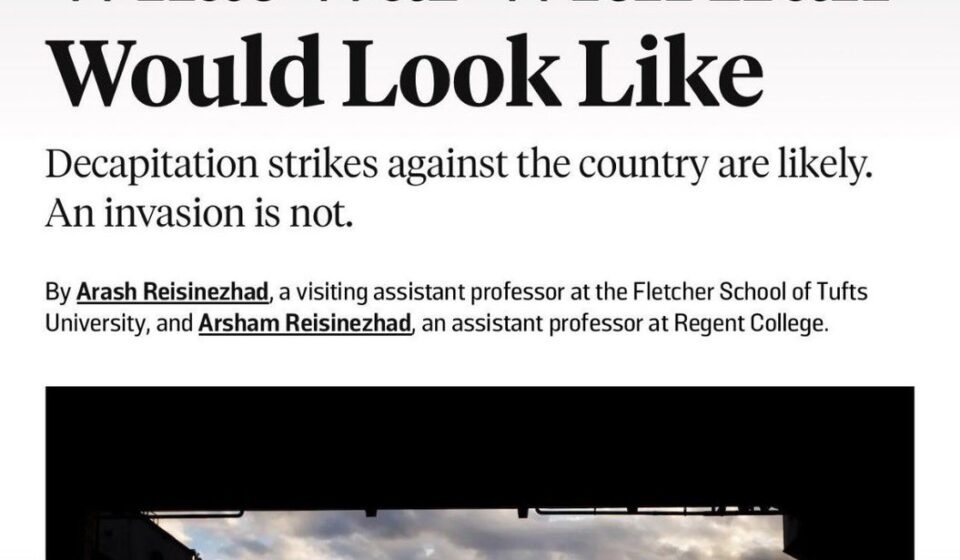
Conversations about a potential military conflict in the region were prominent, driven by speculation about US and Israeli intentions towards Iran. Salim Al-Jamili (Post Impact: 15%) claimed that Iran would not be deceived by any perceived dispute between Trump and Netanyahu, asserting the military buildup is for “regime change in Iran.” Concurrently, other accounts like Shaho Al-Qaradaghi (Post Impact: 4%) and Mazen Al-Eshaiker (Post Impact: 4%) shared statements from former President Trump suggesting a deal with Iran could be reached within a month. However, Rafid Jaboori (Post Impact: 8%) noted Trump’s warning that if a deal isn’t signed, “the coming will be shocking.” The analysis was further compounded by a post from Basil Hussein (Post Impact: 4%), citing Foreign Policy magazine, which discussed a scenario of a strike aimed at “cutting the head off the Iranian government.”
2. Controversy Over “Hamdiya” Ramadan TV Series
A significant backlash erupted over the upcoming Ramadan series “Hamdiya,” which is set to air on MBC. Multiple users expressed outrage over a scene depicting a female character using a visit to the Imam Musa al-Kadhim shrine as a cover for an illicit affair. Hiba Alnnayib (Post Impact: 12%) described the scene as an attempt to expose the hypocrisy of pro-Iran figures in Iraq. Similarly, Wasan Al-Shaikhli (Post Impact: 9%) labeled it a “sectarian” and “blatant accusation against the Shia by MBC.” Ali Farhan (Post Impact: 7%) commented sarcastically on the recurring nature of such controversies. In contrast, Tamara Alkhazraji (Post Impact: 4%) criticized Iraqi parliamentarians for focusing on censoring television shows while the country faces major problems, stating, “The country is drowning in filth and you are chasing after trivialities.”
3. Political Struggle for Iraq’s Prime Minister Position
The political deadlock over selecting Iraq’s next Prime Minister was a major topic, with a particular focus on the controversial candidacy of Nouri al-Maliki. Mujahid Al-Taee (Post Impact: 8%) highlighted a growing front of opposition, quoting commentator Essam Hussein, who allegedly referred to Maliki as the “Jolani of Iraq.” This sentiment was echoed in a post by Shaho Al-Qaradaghi (Post Impact: 4%). Meanwhile, Munqith Dagher (Post Impact: 4%) analyzed Maliki’s insistence on his candidacy despite what he described as American and Coordination Framework vetoes, suggesting Maliki’s team hopes Washington’s position will change. A different perspective was offered by Abu Asad Al-Yasiri (Post Impact: 4%), who defended Maliki by reminding critics that they sought his protection when they were politically weaker.
4. Disputes Over Kurdish Political Influence
Kurdish political leadership and its role in federal Iraq were subjects of both praise and criticism. Ghaith Al-Tamimi (Post Impact: 13%) lauded Kurdish leader Masoud Barzani, calling him a “master of his people” and a key figure for ensuring stability and protecting Kurdish-Arab brotherhood in the region. He argued that Barzani’s presence offers a significant opportunity to resolve internal Kurdish issues and regulate the relationship between Kurdistan and Baghdad. In sharp contrast, a post by Haydar (Post Impact: 10%) quoted Duraid Jamil Isho’a of the Babylon Movement, who issued a stern warning to the Barzani party. Isho’a stated that any attempt to control the position of Chief of Staff of the Iraqi Army would be a “red line” and accused Barzani’s party of using existing military positions to threaten personnel for electoral gains.
5. US Warns Against Iranian Influence in Iraq
Multiple accounts reported on statements from the US Embassy in Baghdad regarding Iranian influence in Iraq. Posts by Dr. Zaid Abdulwahab Al-A’adhami (Post Impact: 5%) and Raad Hashim (Post Impact: 5%) highlighted the embassy’s call for the Iraqi government to “remain completely independent and focus on national interests.” The statement, also shared by Husham Ali (Post Impact: 3%), affirmed that the US is “prepared to confront Iran’s destabilizing activities.” This narrative reinforces the ongoing geopolitical tug-of-war over Iraq’s sovereignty and strategic alignment, with the US publicly pressuring Baghdad to distance itself from Tehran’s regional agenda.
6. Economic Stagnation in Syria’s Sayyidah Zaynab Area
Essam Hussein (Post Impact: 24%) posted a detailed account of the severe economic recession in the Sayyidah Zaynab area in Syria, linking it directly to the absence of Iraqi religious visitors. He noted that hotels have ceased operations, dental clinics popular with Iraqis have closed, and markets are experiencing an unprecedented slump. Hussein argued that Iraqis were a vital economic lifeline for the area, not just religious tourists. He concluded that the transformation of the country into a conflict zone governed by armed groups has instilled fear, causing people and their money to withdraw. He stated, “Stagnation is not born from a vacuum, but from the absence of safety.”
7. Netanyahu on the Killing of Hassan Nasrallah
A post by the account Haydar (Post Impact: 22%) shared purported quotes from Israeli Prime Minister Benjamin Netanyahu explaining the strategic reasoning behind the assassination of Hezbollah leader Hassan Nasrallah. According to the post, Netanyahu ordered the killing because Nasrallah was “the second most popular Shia leader in the Shia world” and the “axis of the axis.” The quotes claim that Netanyahu believed if Nasrallah were neutralized, the entire resistance axis would break. The post attributes the fall of the Assad regime in Syria directly to Nasrallah’s death, stating, “Once he was gone, the Assad regime collapsed… and as soon as it fell, the land route that connected this axis disappeared.”
8. Reports on Iran’s Internal Political Situation
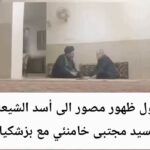
Discussions touched upon Iran’s internal situation, highlighting both state messaging and signs of dissent. Essam Hussein (Post Impact: 8%) analyzed a video showing Iranian civilians with missiles as part of “moral warfare preparations.” He interpreted it as a message of deterrence, suggesting that the entire population, not just the military, is prepared for conflict and that “the confrontation, if imposed, will not be with an army only, but with a people.” In a different vein, Cliff Captain (Post Impact: 8%) reported on the alleged defection of Sayyid Ali Mahdi Kafa’i, a cleric from the Qom seminary, who purportedly joined revolutionaries seeking to overthrow the Iranian regime.
9. Syrian Army Deploys on Iraqi Border After US Handover
The evolving security landscape on the Iraq-Syria border was another trending topic. Rafid Jaboori (Post Impact: 5%) reported that US forces handed over the Al-Tanf base to Syrian forces under the new government of Ahmed al-Sharaa, giving Damascus control over the three main border crossings with Iraq. The post also mentioned that in return, Iraq received thousands of detainees, and that the US expects any future Iraqi Prime Minister to maintain good relations with Damascus. Complementing this, Raad Hashim (Post Impact: 2%) shared footage described as the Syrian army deploying along the Syrian-Iraqi border.
10. Aayad Al-Twfan’s Critique of Sectarianism
In a widely engaged post, the account Aayad Al Twfan (Post Impact: 15%) directed a sharp critique at certain political factions and their followers. The author blamed these groups for making Iraq “fields for experimentation with terrorism, ignorance, and sectarianism.” The post expresses frustration with those who now feel disgusted to be associated with these groups after previously believing them to be protectors of their faith. The author warns Iraqis that they will discover the truth only after it is too late, implying that these groups will eventually betray their followers. The message concludes that the truth will be revealed “after you have been sold, but after it is too late.”