2026-02-16: Muqtada al-Sadr’s Highly Engaging Post

Based on an analysis of (461) X / Twitter posts trending in Iraq on February 16, 2026, Miqrab AI identified several key narratives. The most dominant themes revolved around Iraq’s protracted government formation crisis, with intense focus on US opposition to Nouri al-Maliki’s potential candidacy for prime minister and rumors of his withdrawal. This internal political struggle unfolded against a backdrop of escalating regional tensions, as users closely monitored US military deployments aimed at Iran and the parallel nuclear negotiations in Geneva. Commentary was also rife with sharp criticism of the Shia Coordination Framework and pro-Iran factions, highlighting internal disputes and accusations of corruption and failed leadership. A silent but highly impactful post by cleric Muqtada al-Sadr also captured significant attention, underscoring his continued influence over the political scene.
Table Of Content
- 1. Muqtada al-Sadr’s Highly Engaging Post
- 2. US Opposition to Maliki’s Premiership Bid
- 3. US-Iran Military Tensions and Naval Movements
- 4. Criticism of Pro-Iran Factions and Internal Disputes
- 5. US-Iran Nuclear Negotiations in Geneva
- 6. Praise for Lebanese Cleric Yasser Al-Odeh
- 7. Skepticism of Iran’s Power and Economic Woes
- 8. Controversy Over the ‘Hamdiya’ TV Series
- 9. Discussions on Iraq’s Political Future and Leadership
- 10. Fears of New US Sanctions on Iraqi Leaders
Today’s Top 10 X (Twitter) Trends in Iraq:
1. Muqtada al-Sadr’s Highly Engaging Post
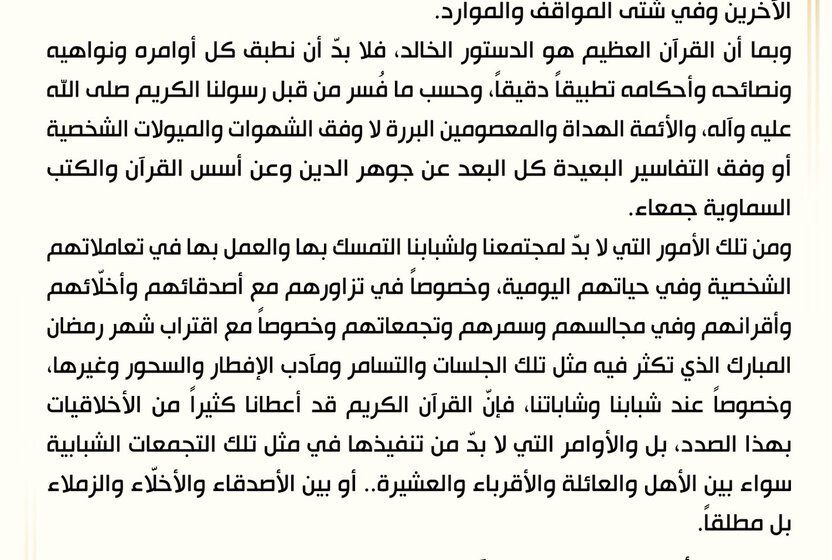
A post from the influential cleric Muqtada al-Sadr generated the highest engagement on the platform. The post from Muqtada Al-Sayyid Muhammad Al-Sadr (Post Impact: 100%) contained no text, only a link to a photograph of himself. Despite the lack of a direct message, the post was widely shared and noted by followers, such as Safaa Al-Asadi (Post Impact: 2%), who simply referenced it as “Sayyed Sadr’s tweet.” The post itself became a major event on the platform, signifying al-Sadr’s continued ability to command attention and influence the political discourse without uttering a single word.
2. US Opposition to Maliki’s Premiership Bid
Intense debate surrounded the potential premiership of Nouri al-Maliki, with significant commentary on US opposition to his candidacy. Faig Alsheakh/Kalimati Lil Tarikh (Post Impact: 25%) harshly criticized the Coordination Framework leaders for pushing Maliki, stating that Trump has made it clear that “no agent, mercenary, or hireling of Iran… will become prime minister.” Najeh Abbas Al-Mizan (Post Impact: 22%) described a post by Trump as a “thunderbolt” against pro-Iran factions. Reports from accounts like Dr. Zaid Abdulwahab Al-Adhami (Post Impact: 3%) claimed Washington threatened economic sanctions if the Framework insisted on Maliki. Both Al-Adhami (Post Impact: 4%) and Omar Abdul Sattar Mahmud (Post Impact: 4%) quoted former minister Hoshyar Zebari, who asserted that “no Kurdish president will be able to task Nouri al-Maliki.”
3. US-Iran Military Tensions and Naval Movements
There was widespread discussion about escalating military tensions between the United States and Iran. Several accounts, including Dr. Zaid Abdulwahab Al-Adhami (Post Impact: 10%) and Sufian Al-Samarrai (Post Impact: 5%), reported that the US aircraft carrier USS Gerald R. Ford had entered the Mediterranean Sea. Rusly Al-Maliki (Post Impact: 9%) detailed the scale of military forces gathered for a potential strike on Iran, mentioning “about 1000 advanced fighter jets” and multiple naval assets. In response, pro-Iran voices like Ali Farhan ali farhan (Post Impact: 10%) issued counter-threats, stating, “If America kidnaps Maduro, Iran will kidnap Netanyahu and his wife from their own home!”
4. Criticism of Pro-Iran Factions and Internal Disputes
Alongside external pressures, internal conflicts and sharp critiques against pro-Iran factions were prominent. Faig Alsheakh/Kalimati Lil Tarikh (Post Impact: 25%) used extremely harsh language against the Coordination Framework leaders. A. D Ghalib Al-Da’mi (Post Impact: 8%), while stating his own long-standing opposition to Maliki, condemned what he called an “unethical campaign” against him led by groups that were once his staunchest defenders. A lengthy analysis by Ali Abd Al-Sahib Al-Jubouri (Post Impact: 3%) from a pro-Asa’ib Ahl al-Haq perspective criticized the group’s handling of the Maliki issue, arguing it had put the entire Coordination Framework in an awkward and difficult position.
5. US-Iran Nuclear Negotiations in Geneva
The ongoing nuclear negotiations in Geneva between Iran and the US were a key topic of discussion. Najah Mohammed Ali (Post Impact: 14%) advised the Iranian negotiators to immediately halt talks whenever the US imposes new threats or sanctions, asserting that “Iran’s dignity lies in firmness and vigilance.” Amir Al-Mousawi (Post Impact: 5%) also highlighted the talks, noting the presence of the Omani mediator. Offering a cautionary historical perspective, Ahmad Mulla Talal (Post Impact: 4%) reminded his audience of the fateful 1991 Geneva talks between Tariq Aziz and James Baker, implying that the outcome of the current talks is uncertain and could be negative.
6. Praise for Lebanese Cleric Yasser Al-Odeh
A video of Lebanese cleric Sheikh Yasser Al-Odeh criticizing religious figures who are subservient to political authorities gained significant traction. Aayad Al Twfan – Aayad Al Twfan (Post Impact: 18%) shared the clip, praising the Sheikh for speaking “words of reason and logic” and saying what other clerics of all sects fail to say. Another account, Ali Fadlallah (Post Impact: 3%), posted a similar video emphasizing that the path to God is through confronting tyrants, a message that appeared to resonate with Iraqi users frustrated with their own leadership.
7. Skepticism of Iran’s Power and Economic Woes
Several accounts expressed skepticism about Iran’s proclaimed military strength and highlighted its economic problems. Rusly Al-Maliki 🇮🇶 Rusly Al-Maliki (Post Impact: 11%) questioned a claim by former judge Wael Abdul Latif about Iran possessing an “electromagnetic missile” capable of hitting Washington, asking why it was never used before. In another post, Rusly Al-Maliki (Post Impact: 6%) mockingly asked about the price of a “ton of Toman,” referencing the Iranian currency’s devaluation. Adding to this narrative, Omar Abdul Sattar Mahmud (Post Impact: 6%) reported that India had seized tankers smuggling Iranian oil, which Iran then disowned, suggesting that “Iran has begun to abandon even those who help it and the total collapse is very close.”
8. Controversy Over the ‘Hamdiya’ TV Series
The Iraqi television series “Hamdiya” sparked controversy, leading to official action. Haidar (Post Impact: 5%) reported that the Iraqi Communications and Media Commission had ordered a comprehensive review of all episodes and the immediate deletion of any “violating scenes.” Najah Mohammed Ali (Post Impact: 7%) expressed personal dismay, stating he was being met with insults in the series despite his efforts to defend people’s honor. Essam Hussein (Post Impact: 2%) also shared a video clip providing a clarification about the controversial show.
9. Discussions on Iraq’s Political Future and Leadership
Amid the political deadlock, users discussed potential paths forward and alternative leadership for Iraq. Ammar Al-Hakim | Ammar Al-Hakim (Post Impact: 7%) posted about his meeting with Mohsen Al-Mandalawi, emphasizing the need to overcome the current crisis by prioritizing the public interest and strengthening the private sector. In a more direct call for change, Najeh Abbas Al-Mizan (Post Impact: 4%) urged the Coordination Framework to form a “last chance government” led by figures like Faig Alsheakh, Sajjad Salim, and Hamid Al-Shatri to save the country from what he termed “humiliation and shame.” Meanwhile, Dr. Hussein Al-Safi (Post Impact: 3%) conducted a poll asking the public to choose the strongest candidate for prime minister from a list of five alternative names, including security officials like Hamid Al-Shatri and Qasim Al-Araji.
10. Fears of New US Sanctions on Iraqi Leaders
There was discussion about the looming threat of new US sanctions targeting Iraqi political and militia leaders. Nazar Haidar (Post Impact: 7%) posted an “exclusive” report claiming that Iraqi leaders are terrified of imminent US measures and are scrambling to open channels with Washington. He alleged that “one of the main leaders offered the Americans half of his wealth” in exchange for avoiding sanctions. Corroborating this theme, Basil Hussein | Basil Hussein (Post Impact: 4%) posted a concise but impactful statement: “A new list of American sanctions is being written in Baghdad.”