2026-02-25: Iraq Asserts Maritime Claims, Sparking Kuwaiti Dispute

Based on 438 X / Twitter posts analyzed on February 25, 2026, Miqrab AI found that the primary narratives in Iraq revolve around escalating regional tensions and sovereign disputes. The most prominent discussion concerns the maritime border conflict with Kuwait over Khor Abdullah, with Iraqi accounts asserting national rights and citing international law. Simultaneously, speculation about an imminent US military confrontation with Iran is widespread, fueled by reports of American military movements in the Gulf and commentary on negotiations in Geneva. Domestic issues also feature heavily, including criticism of the post-2003 political system’s failures, internal Kuwaiti policies on citizenship, and renewed support for former Prime Minister Nouri al-Maliki.
Table Of Content
- 1. Iraq Asserts Maritime Claims, Sparking Kuwaiti Dispute
- 2. Fears of US-Iran Military Confrontation Escalate
- 3. Nechirvan Barzani Welcomes Turkish Parliamentary Report
- 4. Kuwait’s Citizenship Revocation Policy Draws Attention
- 5. Criticism of Post-2003 Iraqi Political System
- 6. Calls for Nouri al-Maliki to Return as Prime Minister
- 7. Deadly Anbar Traffic Accident Kills Soldiers and Civilians
- 8. Google Maps Recognition of Khor Abdullah as Iraqi Goes Viral
- 9. US Fifth Fleet Reportedly Departs Bahrain Base
- 10. Pro-Iran Accounts Boast of Sinking a US Aircraft Carrier
Today’s Top 10 X (Twitter) Trends in Iraq:
1. Iraq Asserts Maritime Claims, Sparking Kuwaiti Dispute
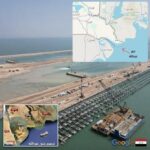
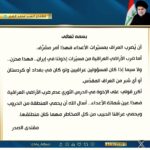
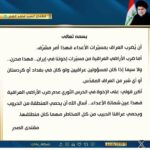
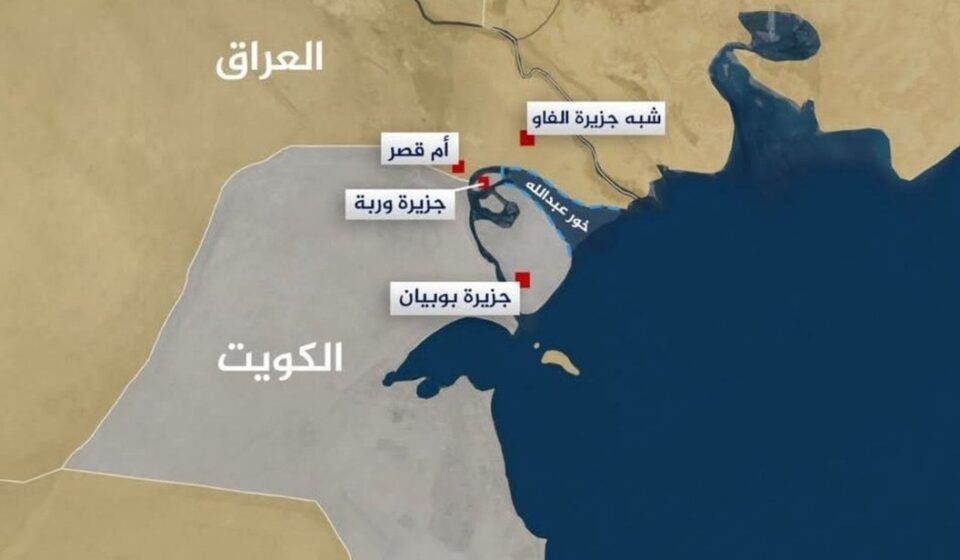
A major topic of discussion was Iraq’s decision to deposit new maritime maps with the United Nations, a move that asserts its claims over the Khor Abdullah waterway and has ignited a diplomatic dispute with Kuwait. Haidar (Post Impact: 48%), citing Shafaq News, reported that Iraq is preparing to present the Federal Supreme Court’s decision to nullify the Khor Abdullah agreement to the UN to redraw the maritime borders. Rusly Al-Maliki (Post Impact: 49%) urged the Iraqi government to insist on its new maps and for Kuwait to enter negotiations, stating that “loud voices will not push Baghdad to withdraw the maps.” Meanwhile, several accounts, including Haidar (Post Impact: 25%), noted that countries like Sudan, Somalia, and Djibouti issued statements of solidarity with Kuwait, while Ali Al-Muhandis (Post Impact: 27%) highlighted that Iran announced its support for Iraq’s right to define its borders.
2. Fears of US-Iran Military Confrontation Escalate
Speculation about an imminent military confrontation between the United States and Iran dominated the platform, driven by reports of US military preparations and heightened rhetoric. Najah Mohammed Ali (Post Impact: 69%) claimed that Iran would present an offer in Geneva that US President Donald Trump “cannot help but accept,” suggesting a high-stakes diplomatic maneuver. This was juxtaposed with reports of increased military readiness, with Steven Nabil (Post Impact: 31%) and Yasser Eljuboori (Post Impact: 27%) both noting that the US Fifth Fleet had moved its ships out of its base in Bahrain into open waters. Commentary from accounts like Rafid Jaboori (Post Impact: 21%) analyzed Trump’s threatening tone regarding Iran’s nuclear program, concluding that the “chances of war are greater than an agreement.”
3. Nechirvan Barzani Welcomes Turkish Parliamentary Report
Kurdistan Region President Nechirvan Barzani publicly welcomed a report from the Turkish Grand National Assembly’s “National Solidarity, Brotherhood and Democracy Commission.” In posts from his official account, Nechirvan Barzani (Post Impact: 66%) and Nechirvan Barzani (Post Impact: 26%), he described it as “an important step and a correct trend on the path to peace and solution.” Barzani emphasized that promoting the language of politics and dialogue is essential for building lasting stability that benefits the entire region. He reaffirmed the Kurdistan Region’s support for any peaceful efforts to resolve issues and expressed hope for further steps within the Turkish parliament to build trust and achieve peace.
4. Kuwait’s Citizenship Revocation Policy Draws Attention
A highly engaged post by Rusly Al-Maliki (Post Impact: 100%) highlighted Kuwait’s policy of revoking citizenship, stating that 68,000 citizens had their nationality withdrawn in just one year, including the serving ambassador to London. The post details the severe consequences for those affected, who lose rights to education, healthcare, property, and access to their own money, effectively becoming stateless. Al-Maliki points out the gravity of the situation, noting, “if citizenship is withdrawn from a father or grandfather, it is consequently withdrawn from his entire family!!” This policy and its drastic impact on individuals and families became a significant topic of discussion.
5. Criticism of Post-2003 Iraqi Political System
Discontent with the Iraqi political system established after 2003 was a recurring theme. Ahmad Mulla Talal (Post Impact: 49%) lamented that freedom of expression is the only supposed achievement, offering to trade silence for sovereignty, a strong national army, economic revival, and an end to corruption, concluding grimly, “We will all be silent if a quarter of this is achieved. And it will not be achieved.” In a similar vein, Mahdi Majeed (Post Impact: 34%) criticized Arab nations for their persistent opposition to Iraq, regardless of its leadership, while Salim Aljomaili (Post Impact: 33%) recalled the 2010 elections as an example of how Iraqi governments are managed by “regional mediations and external orders.”
6. Calls for Nouri al-Maliki to Return as Prime Minister
A narrative supporting the return of Nouri al-Maliki to the premiership gained traction. Politician Mashaan al-Jabouri (Post Impact: 38%) explicitly stated his support, arguing that al-Maliki is the only one capable of dismantling the “deep state” that controls Iraq. He asserted, “We support the nomination of Nouri al-Maliki for the premiership because we see that he is capable of dismantling the deep state that holds the joints of Iraq.” This view was echoed and amplified by other accounts, such as Shaho Al-Qaradaghi (Post Impact: 15%), who quoted al-Jabouri’s comments, indicating a discussion among some circles about al-Maliki’s potential political comeback.
7. Deadly Anbar Traffic Accident Kills Soldiers and Civilians
News of a tragic traffic accident in Anbar province was shared with sorrow by several accounts. The Iraqi Ministry of Defense (Post Impact: 28%) issued a formal obituary, mourning the death of eight of its soldiers from the 7th Division’s 27th Brigade commando company, along with several civilians. The ministry expressed its condolences to the families of the victims and confirmed that an investigation was underway. The news was also reported by other pages like Haidar (Post Impact: 30%), who described the incident as a “horrifying traffic accident,” bringing the grim news to a wider audience on the platform.
8. Google Maps Recognition of Khor Abdullah as Iraqi Goes Viral
Amid the ongoing maritime border dispute with Kuwait, Iraqi social media users celebrated what they perceived as a significant digital victory. Mahdi Majeed (Post Impact: 51%) posted a video showing his search on Google Maps, which identified Khor Abdullah as Iraqi territory. He described this as “very important as a global documentation,” asserting that Google Maps does not name areas haphazardly. This development was shared by others, including Hiba Al-Nnayib (Post Impact: 14%), who noted that the platform updated its map after Iraq officially deposited its new maritime boundaries with the United Nations, fueling nationalist sentiment online.
9. US Fifth Fleet Reportedly Departs Bahrain Base
Reports of significant US naval movements in the Persian Gulf fueled speculation about an imminent military escalation with Iran. Accounts such as Steven Nabil (Post Impact: 31%) and Yasser Eljuboori (Post Impact: 27%) shared that the US Fifth Fleet had left its naval bases in Bahrain and moved its ships into open waters. Nabil, citing satellite imagery from Planet, suggested it “could be a preemptive move in case ‘things develop’ because the base is considered a target for Iranian missiles.” The relocation of these key naval assets was interpreted by many as a clear sign of preparation for potential conflict in the region.
10. Pro-Iran Accounts Boast of Sinking a US Aircraft Carrier
As tensions between the United States and Iran intensified, pro-Iranian voices on X/Twitter expressed confidence in Iran’s military capabilities. In a prominent post, Dr. Hussein Al-Safi (Post Impact: 54%) made a bold prediction, stating, “Iran will be the first country in history to sink an aircraft carrier… by the will of God Almighty.” This statement reflects a narrative of military deterrence and defiance being promoted by accounts supportive of Iran, suggesting that any US military action would be met with a powerful and unprecedented response, capable of inflicting significant damage on American naval assets.