2026-03-06: Muqtada al-Sadr’s Messages and Warnings

An analysis of 447 Facebook posts trending in Iraq on March 6, 2026, conducted by Miqrab AI, reveals a social media landscape dominated by the escalating regional conflict and significant domestic security events. Messages and warnings from cleric Muqtada al-Sadr generated the highest levels of engagement. The primary narratives revolved around intense clashes between Hezbollah and Israel in Lebanon, alongside reports of missile strikes inside Iran. Domestically, drone attacks on American-linked oil companies in Basra and a major riot at a high-security prison in Baghdad captured significant attention. Other key topics included sharp criticism of former U.S. President Donald Trump, diplomatic outreach by Prime Minister Mohammed Shua’ al-Sudani to de-escalate tensions, and internal debates over Iraq’s relationship with Iran.
Table Of Content
- 1. Muqtada al-Sadr’s Messages and Warnings
- 2. Clashes Between Hezbollah and Israel in Lebanon
- 3. Drone and Missile Attacks on Oil Companies in Basra
- 4. Reports of Attacks Targeting Locations Inside Iran
- 5. Criticism of Donald Trump’s Mideast Stance
- 6. Security Incidents at Baghdad’s Cropper Prison and Victoria Base
- 7. Prime Minister Al-Sudani’s Diplomatic Calls Amid Regional Crisis
- 8. Debate Over a Sermon Calling for Iraqis to Defend Iran
- 9. Reports of Iranian Ballistic Missile Strikes
- 10. Internal Tensions and Accusations Among Political Factions
Today’s Top 10 Facebook Trends in Iraq:
1. Muqtada al-Sadr’s Messages and Warnings
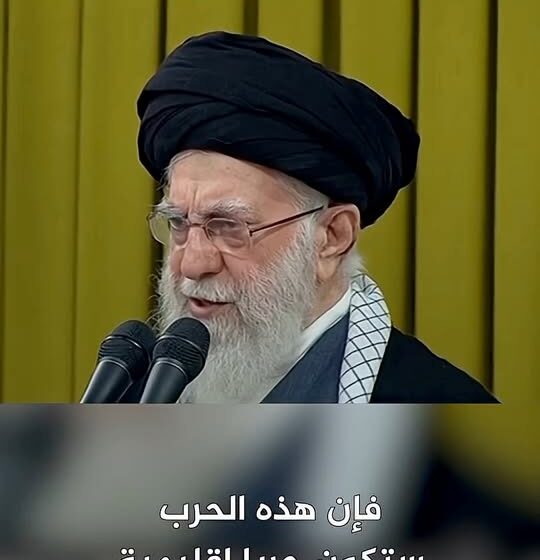
Messages from cleric Muqtada al-Sadr and his office generated the highest engagement. The page Mustafa Sanad (Post Impact: 59%) shared a video of al-Sadr with the caption, “The man warned you, said ‘don’t mess around’.” In a post with similarly high engagement, the Private Office of His Eminence Sayyid Muqtada al-Sadr (Post Impact: 57%) shared a message he published on the social media platform “X” with the hashtag “#لبيك_صاحب_الأمر” (At your service, O Master of the Command). These posts were widely interpreted by followers as a signal of readiness and a stern warning amid the unfolding regional events, reinforcing his political and religious influence.
2. Clashes Between Hezbollah and Israel in Lebanon
The escalating conflict between Hezbollah and Israel was a major topic of discussion, with several pages sharing footage and reports from the front lines in Lebanon. Mohammed Al-Khaza’i (Post Impact: 46%) reported on “strong clashes between Hezbollah and the entity’s army in the Nabi Chit area in Lebanon.” Similarly, The Tactical Cell (Post Impact: 6%) described “fierce battles” in the Bekaa region. Another page, Ninawa (Post Impact: 4%), shared a video purportedly showing an Israeli force that “fell into a tight ambush” after conducting a landing in Lebanon. The collective narrative portrayed a significant and violent escalation of the conflict on the Lebanese border.
3. Drone and Missile Attacks on Oil Companies in Basra
A series of attacks on oil infrastructure in southern Iraq was widely covered. Multiple pages, including Set Ashwaq Um Al-Qanouniya (Post Impact: 12%) and Ammar Al-Hilfi (Post Impact: 2%), reported that oil fields in the Burjesia area of Basra were targeted by drones, causing them to turn into a “block of fire.” The reports specified that the targets were offices and facilities belonging to American companies Halliburton and KBR. This sparked angry reactions, with pages like Ahmad Al-Washah (Post Impact: 6%) condemning the attacks as a direct hit on the Iraqi economy. The Tactical Cell (Post Impact: 5%) echoed this sentiment, arguing the attacks harm Iraq more than American interests.
4. Reports of Attacks Targeting Locations Inside Iran
Alongside the conflict in Lebanon, several pages reported on alleged strikes deep inside Iran, focusing on strategic and symbolic targets. Steven Nabil (Post Impact: 10%) shared a photo claiming it was “the house of the Iranian Minister of Defense that was targeted.” Other pages like Set Ashwaq Um Al-Qanouniya (Post Impact: 7%) and Rusly Al-Maliki (Post Impact: 2%) reported on “violent bombing” and the destruction of Mehrabad Airport in Tehran. These posts painted a picture of a conflict that was no longer confined to proxy battlefields but had reached the heart of Iran.
5. Criticism of Donald Trump’s Mideast Stance
Former U.S. President Donald Trump was a prominent subject of criticism and ridicule on Iraqi Facebook. A highly engaged reel from Mustafa Sanad (Post Impact: 33%) explicitly labeled Trump as “Benjamin Netanyahu’s dog 🐕.” Another popular post by Dr. Mudhaffar Qasim Hussein (Post Impact: 32%) featured a clip of former U.S. intelligence officer William Scott Ritter Jr. delivering a message described as a “strong and deep” critique of Trump. This narrative portrays a deep mistrust of the former president’s policies and allegiances in the region.
6. Security Incidents at Baghdad’s Cropper Prison and Victoria Base
A significant domestic security breach was reported in Baghdad. The page Al-Khowa Al-Nadifa (Post Impact: 31%) stated that Iraq’s Counter-Terrorism Service had to intervene to control riots that erupted in “Cropper” prison near Baghdad Airport, a facility housing inmates convicted of terrorism. The page noted the riots coincided with drone attacks on the nearby Victoria military base. In the aftermath, the Media Office of the Minister of Interior (Post Impact: 2%) published a post confirming that Interior Minister Abdul Amir al-Shammari had personally inspected the prison’s security unit.
7. Prime Minister Al-Sudani’s Diplomatic Calls Amid Regional Crisis
Amid the escalating regional conflict, the official account of Prime Minister Mohammed Shia’ Al-Sudani (Post Impact: 11%) reported on a phone call with French President Emmanuel Macron. During the conversation, Al-Sudani stressed the need to “stop military actions,” “prevent further escalation,” and reject the targeting of Lebanon. The Prime Minister’s Media Office (Post Impact: 1%) provided further details on the call. Al-Sudani’s page also posted about a separate call with Kurdistan Region President Nechirvan Barzani to unify the national position and “preserve the country’s stability and sovereignty.”
8. Debate Over a Sermon Calling for Iraqis to Defend Iran
A sermon delivered in Najaf by cleric Sadr al-Din al-Qabbanji ignited a debate online about Iraq’s allegiance in the regional conflict. The page Taraif al-Alam bi-Uyun Iraqiya (Post Impact: 4%) quoted al-Qabbanji as saying, “Crazis are ready to sacrifice themselves to defend Iran.” The statement drew swift criticism from commentators like Dr. Hamid Abdullah (Post Impact: 3%), who argued that such a statement “insulted the Iraqis, Iran, and the Shiites from where he did not intend.” This exchange highlights the deep divisions within Iraqi society regarding its relationship with its influential neighbor.
9. Reports of Iranian Ballistic Missile Strikes
As the regional conflict intensified, several pages circulated reports of Iranian long-range missile strikes targeting regional adversaries. Ya’ni Tafaddal (Post Impact: 11%) shared a video claiming an “Iranian ballistic missile hit the Prince Sultan Air Base in the Kingdom of Saudi Arabia.” Concurrently, The Tactical Cell (Post Impact: 7%) reported “huge explosions in Tel Aviv” which it attributed to a “dense wave of missiles” from Iran. These posts contributed to a narrative of a powerful and far-reaching Iranian response to perceived aggressions.
10. Internal Tensions and Accusations Among Political Factions
Amid the external crisis, signs of internal strife among Iraqi political and armed factions surfaced on Facebook. The page Salfa w Nos (Post Impact: 4%) discussed a statement by Akram al-Kaabi containing a “veiled warning” about a leader described as a “snitch” who was allegedly leaking information to foreign intelligence, with the page noting speculation that the accusation was aimed at Asa’ib Ahl al-Haq leader Qais al-Khazali. In another post, Samer jawad – Samer جواد (Post Impact: 9%) highlighted the dismay of a figure named Abu Turab over the political stances of certain MPs associated with the Popular Mobilization Forces.