2026-03-12: US Airstrikes on Popular Mobilization Forces in Anbar

Based on an analysis of 128 X / Twitter posts trending on March 12, 2026, Miqrab AI found that the dominant narrative in Iraq revolves around US airstrikes targeting Popular Mobilization Forces (PMF) positions in Anbar province and the subsequent fallout. This central topic generated a wide spectrum of reactions, from official condemnation and calls for retaliation to celebration and critical debates about the role of armed factions. Other significant conversations included the succession of Mojtaba Khamenei as Iran’s new Supreme Leader and his first address, escalating regional conflicts evidenced by alleged militia attacks on Kuwait, and reports of security incidents inside Iran itself, painting a picture of a volatile and interconnected regional security environment.
Table Of Content
- 1. US Airstrikes on Popular Mobilization Forces in Anbar
- 2. Mojtaba Khamenei’s First Speech and Succession
- 3. Akram al-Kaabi Announces “Comprehensive War” on US
- 4. Criticism of Faction Leaders Over PMF Deaths
- 5. Militia Drone Attacks Target Kuwait
- 6. Iranian Military and Internal Security Incidents
- 7. Justifications and Sectarian Framing of US Airstrikes
- 8. Calls for US Expulsion and Political Action After Strikes
- 9. Iranian Attacks on Gulf and Iraqi Oil Infrastructure
- 10. Appeals for Militia Members to Abandon Posts
Today’s Top 10 X (Twitter) Trends in Iraq:
1. US Airstrikes on Popular Mobilization Forces in Anbar
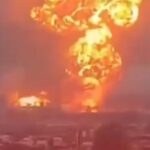
The most dominant story on Iraqi X / Twitter concerns US airstrikes targeting headquarters of the Popular Mobilization Forces (PMF) in the Al-Qaim and Akkasat areas of Anbar province. Accounts reported significant casualties, with Omar Abd Al Sattar Mahmoud (Post Impact: 2%) and Abbas Al-Ardawi (Post Impact: 1%) citing a military source claiming 31 killed and 92 wounded. The reaction was polarized: accounts like Mujtahid Iraq (Post Impact: 3%) celebrated the strikes, telling Iraqis to “rejoice” at the deaths of “PMF carcasses.” Conversely, figures like Ammar Al-Hakim (Post Impact: 3%) and security advisor Qasim al-Araji (Post Impact: 2%) condemned the attacks as a “flagrant violation of sovereignty.” Other users, such as Abu Mustafa Al-Khafaji (Post Impact: 3%), shared videos of grieving mothers, lamenting the loss of young fighters. The Iraqi Joint Operations Command, via the Security Media Cell (Post Impact: 1%), issued a statement denouncing the “blatant aggression.”
2. Mojtaba Khamenei’s First Speech and Succession
The succession of Mojtaba Khamenei as Iran’s new Supreme Leader and his first public speech were widely discussed. Hayder (Post Impact: 1%) posted a detailed summary of the speech, quoting Khamenei’s vows to continue the war, “not give up on avenging the blood of the martyrs,” and maintain the closure of the Strait of Hormuz. The speech was met with criticism and skepticism. Dr. Hussein Al-Moayed (Post Impact: 2%) described the address as characterized by “extremism, arrogance, aggressive approach, and deception,” asserting it confirms the need to topple the regime. Meanwhile, accounts like Noor Somer (Post Impact: 2%) and Omar al-Janabi (Post Impact: 1%) cast doubt on whether Khamenei is even alive, suggesting the speech was delivered by the IRGC and that the images were fabricated.
3. Akram al-Kaabi Announces “Comprehensive War” on US
Following the US airstrikes, Akram al-Kaabi, leader of the Harakat Hezbollah al-Nujaba militia, reportedly declared a comprehensive war against the United States in Iraq. Abu Drandash Al-Askari (Post Impact: 2%) posted that “the spark of war officially enters Iraq,” quoting al-Kaabi’s declaration that the confrontation would be on all levels: “military, political, economic, and cultural.” This was corroborated by Hayder (Post Impact: 1%), who quoted al-Kaabi’s goal as the “purging of Iraq from the filth of the American occupation.” The official account of Sheikh Akram Al-Kaabi (Post Impact: 5%) also posted an image graphic that appeared to support this escalatory stance.
4. Criticism of Faction Leaders Over PMF Deaths
A significant narrative emerged blaming the leaders of armed factions for the deaths of low-ranking PMF fighters in the US airstrikes. Commentators argued that these young men are being used as pawns in a proxy war. Yasser Eljuboori (Post Impact: 2%) lamented the joy some expressed over the deaths of “sons of the poor” who were just on duty for a salary, blaming leaders who “push them to their death while sitting in his garden with gazelles.” Similarly, Adam (Post Impact: 1%) questioned what Iraq gained from their deaths while leaders’ sons are safe, asking, “Who are the traitors? We who wanted them to live their lives… or you who traded in their lives and will trade in their deaths?” Ali Farhan (Post Impact: 1%) expressed frustration that “the factions escalate, and the youth of the Hashed and the Iraqi army pay the price!”
5. Militia Drone Attacks Target Kuwait
Several accounts reported that Iraqi militias launched drone attacks against targets in Kuwait. Rusly Al-Maliki (Post Impact: 3%) posted a video with the caption, “Iraqi militias target Kuwait with drones from off the coast of Faw.” Hayder (Post Impact: 1%) shared similar footage, stating that Iraqi factions broadcast scenes of their targeting of “vital American sites” in Kuwait with a swarm of drones. Later, Rusly Al-Maliki (Post Impact: 1%) cited the outlet “Clash Report,” claiming that Kuwait lost three Eurofighter Typhoon jets and had three others damaged in the attack on Ali Al Salem Air Base.
6. Iranian Military and Internal Security Incidents
Alongside the external conflicts, there were several reports of security incidents inside Iran. Rusly Al-Maliki (Post Impact: 1%) reported that Ismail Dehghan, a commander in the IRGC’s Aerospace Force, was “liquidated by gunmen who stormed his house, assassinating him along with 5 of his family members.” In another post, Rusly Al-Maliki (Post Impact: 2%) stated that Israeli kamikaze drones attacked Basij and IRGC checkpoints on the streets of Tehran. Aayad Al Twfan (Post Impact: 1%) discussed the destruction of a major Iranian ballistic missile facility by a GBU-43/B (MOAB) bomb, contrasting Iran’s current destruction with its alleged celebration of the 2003 US invasion of Iraq.
7. Justifications and Sectarian Framing of US Airstrikes
A counter-narrative emerged offering justification for the US airstrikes, often with a sectarian framing. Othman Al-Mukhtar (Post Impact: 2%) refused to condemn the strikes by listing the locations targeted—such as Jurf al-Sakhr, Akkasat, and Yathrib—and describing them as Sunni areas that were “usurped and its Sunni residents displaced 12 years ago” by militias. He asked, “Logically, how can you take a stand for a slaughtered person?” This sentiment was shared by Mujtahid Iraq (Post Impact: 3%), who celebrated the attacks and noted that the PMF members killed were all Shiite and not from Anbar, claiming that remaining militia members were hiding among civilians.
8. Calls for US Expulsion and Political Action After Strikes
The US airstrikes triggered immediate political demands for retaliation and the expulsion of American forces from Iraq. Wissam Aziz (Post Impact: 2%) asserted that “the Iraqi government must declare war on America if these pure bloods have any value to it.” Steven Nabil (Post Impact: 1%) reported that MP Faleh al-Khazali was demanding the government expel the US embassy. Beyond rhetoric, some called for legal action to bolster the PMF. Ahmed Al-Thawaq (Post Impact: 2%) challenged the 190 Shiite MPs to hold a session and vote on the PMF law as the “best response to the enemy.”
9. Iranian Attacks on Gulf and Iraqi Oil Infrastructure
Multiple accounts accused Iran and its proxies of targeting oil infrastructure across the Gulf, including in Iraq. Steven Nabil (Post Impact: 2%) shared a video allegedly from the IRGC navy showing them infiltrating Iraqi territorial waters to “directly target the oil tanker SAIF SCE VISNU parked off the southern Basra oil port.” Mashaan Al-Jabouri (Post Impact: 1%) commented on two fuel tankers that burned near the port of Umm Qasr, questioning who owned them and alluding to “whales who plunder the country under the cover of authority” by smuggling subsidized fuel. Mustafa Al-Dulaimi (Post Impact: 2%) posted a video of what he described as an Iranian blowing up Iraqi oil infrastructure.
10. Appeals for Militia Members to Abandon Posts
Amid the escalating conflict, some prominent voices directly appealed to rank-and-file militia members to desert their posts and return home to avoid being killed. Faiq Al-Sheikh Ali (Post Impact: 5%) addressed “our youth who have been deceived by Iran’s militias,” the poor who are looking for a salary, telling them: “Do not die, do not commit suicide. Leave your positions and your points and return to your homes safely.” A similar plea was made by Mahdi Majeed (Post Impact: 1%), who issued an “urgent appeal to the soldiers of the Popular Mobilization Forces,” warning that all their headquarters would be targeted by the US and Israel and advising them to leave the work to their pro-Iran leaders who “live in safety with their families.“