2026-05-24: Muqtada al-Sadr Releases Statement

Based on an analysis of 484 X / Twitter posts by Miqrab AI on May 24, 2026, the most prominent conversations in Iraq were dominated by statements from influential political-religious figures Muqtada al-Sadr and Qais al-Khazali. A significant portion of the discourse also revolved around intense speculation and varied analysis concerning a potential nuclear agreement between the United States and Iran, with users debating whether it represented a victory for Tehran or a strategic maneuver by Washington. Domestically, there was widespread criticism of the Iraqi government’s recurring internet shutdowns during national exams and the deteriorating urban state of Baghdad. Other key topics included allegations of political interference in the Iraqi Football Federation elections, the banning of a political analyst from media appearances, and an announcement by the Minister of Health that several armed factions would disarm after the Eid holiday.
Table Of Content
- 1. Muqtada al-Sadr Releases Statement
- 2. Qais al-Khazali Issues a Message
- 3. Speculation on the US-Iran Nuclear Agreement
- 4. Criticism of Government Services and Urban Decay
- 5. Political Interference in Football Federation Elections
- 6. Ban on Analyst Bashir al-Hujaimi
- 7. Armed Factions to Surrender Weapons After Eid
- 8. High-Level Political and Diplomatic Meetings
- 9. Counter-Terrorism Service Operations and Casualties
- 10. President Criticized for University Graduation Appearance
Today’s Top 10 X (Twitter) Trends in Iraq:
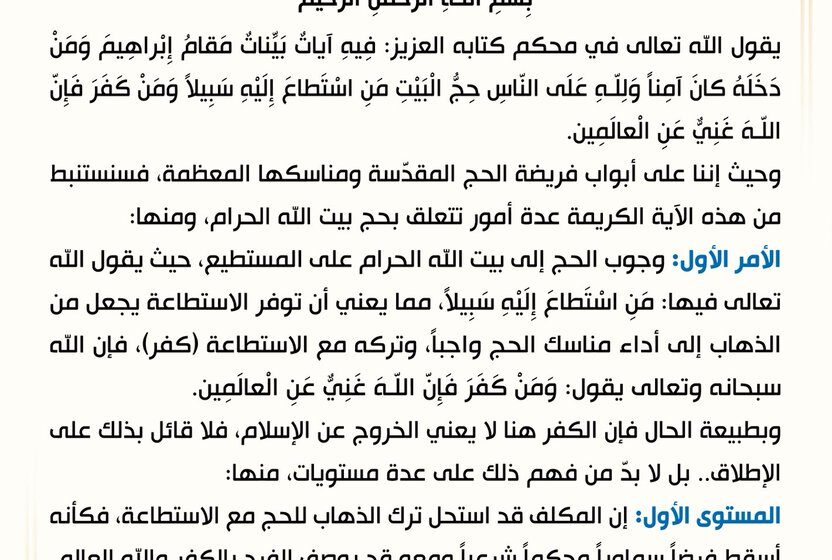
1. Muqtada al-Sadr Releases Statement
The highest-impact post came from Muqtada al-Sadr (Post Impact: 100%), who published a link to an image-based statement without any accompanying text. This method is typical for the Sadrist leader, who often uses scanned documents to convey official messages to his followers and the wider public. The post’s maximum engagement indicates that the content of the linked image carried a significant political or religious directive, resonating widely across his base and the Iraqi political landscape and setting the day’s primary topic of discussion.
2. Qais al-Khazali Issues a Message
Following a similar communication strategy, Qais al-Khazali (Post Impact: 81%), the leader of the Asa’ib Ahl al-Haq militia, shared a post containing only a link to an image. The high engagement suggests the image contained an important statement addressing current political, security, or regional developments. This format allows major political and militia leaders to release formal statements directly to the public, bypassing traditional media channels and ensuring their message is delivered to their supporters and rivals without external interpretation.
3. Speculation on the US-Iran Nuclear Agreement
The prospect of a US-Iran agreement generated extensive debate with conflicting interpretations. Some users, like Dr. Hussein Al-Safi (Post Impact: 6%), saw it as a clear victory for Iran, stating, “Finally: America lost and Iran won.” Others offered a more cynical view; Mahdi Majeed (Post Impact: 7%) argued America was humiliating Iran and that the agreement was about “how Iran will implement America’s demands.” Meanwhile, analysts such as Liqaa Maki (Post Impact: 8%) and Rafid Jaboori (Post Impact: 6%) pointed to uncertainty and delays, with Maki noting Trump “has not made up his mind yet” and Jaboori confirming the agreement was not announced as expected. Ali Farhan (Post Impact: 7%) cited the New York Times, reporting that Iran agreed to give up its highly enriched uranium, though the method was undecided.
4. Criticism of Government Services and Urban Decay
Iraqis voiced strong frustration over poor public services and the state of the capital. Rusly Al-Maliki (Post Impact: 16%) heavily criticized the government for shutting down the internet nationwide for an hour and a half during exams, a measure he described as incompetent. He lamented, “The geniuses in power have not found a solution to exam question leaks in 23 years,” concluding with the hashtag #YouWillNeverBeAState. In another widely shared post, Rusly Al-Maliki (Post Impact: 14%) posted a photo of Baghdad’s chaotic urban landscape, expressing disgust and questioning, “On your honor, is this what a city looks like? And a capital?… What have you done to it!! A city that is 1200 years old has become like this?!?!?!”
5. Political Interference in Football Federation Elections
The elections for the presidency of the Iraqi Football Federation sparked accusations of political manipulation. Mashaan al-Jabouri (Post Impact: 6%) interpreted the victory of Younis Mahmoud over Adnan Dirjal as a political win for Parliament Speaker Mohammed al-Halbousi, calling him a “devil who knows how to win his conflicts.” Issam Hussein (Post Impact: 6%) shared “confirmed information” that a political figure offered Dirjal support in exchange for guaranteeing a specific club would win the Iraqi league, a deal Dirjal allegedly refused. Yasser Eljuboori (Post Impact: 6%) warned that if Dirjal appeals to FIFA and proves political and financial interference, Iraq could face another international ban.
6. Ban on Analyst Bashir al-Hujaimi
The Iraqi Communications and Media Commission reportedly banned political analyst Bashir al-Hujaimi from all media appearances. Shaho Al-Qaradaghi (Post Impact: 9%) reported that the decision came after an interview in which al-Hujaimi discussed the arrest of Noor Zuhair, a key figure in the “theft of the century” scandal. Al-Hujaimi claimed that MP Mustafa Sanad knew of Zuhair’s location before the Minister of Interior, implying a cover-up or political maneuvering. This action was perceived by users as a suppression of free speech and an attempt to silence critical voices regarding high-level corruption cases.
7. Armed Factions to Surrender Weapons After Eid
An announcement by Minister of Health Abdul Hussein Al-Moussawi that some armed factions will disarm became a notable topic. Yasser Eljuboori (Post Impact: 5%) and Husham Ali (Post Impact: 3%) both shared a video of the minister, a member of the Coordination Framework, stating that “5 out of 7 factions in Iraq will surrender their weapons after Eid.” This statement, if true, would represent a significant development in the government’s efforts to establish state control over arms and security, though the announcement was met with a degree of public skepticism online given previous unfulfilled promises.
8. High-Level Political and Diplomatic Meetings
Iraqi political leaders engaged in a series of important meetings focused on domestic and foreign policy. Ammar Al-Hakim (Post Impact: 6%) posted about his meeting with Kurdistan Regional Government Prime Minister Masrour Barzani, where they emphasized resolving outstanding issues between Baghdad and Erbil through the constitution. The official account for Taqadum Party leader Mohammed al-Halbousi (Post Impact: 5%) reported on his meeting in Ankara with Turkish Foreign Minister Hakan Fidan to discuss bilateral relations. Al-Hakim also met with former Prime Minister Haider al-Abadi, as posted by his account, Ammar Al-Hakim (Post Impact: 3%), to stress the importance of supporting the current government.
9. Counter-Terrorism Service Operations and Casualties
Security operations and their consequences were highlighted in several posts. The official account of the Iraqi Counter-Terrorism Service (CTS) (Post Impact: 6%) posted about its ongoing field inspection campaigns, quoting a Quranic verse to boost morale. In a related and tragic development, Rusly Al-Maliki (Post Impact: 4%) offered condolences to the CTS for the death of three of its members, who were killed by an explosive remnant from ISIS. Raad Hashim (Post Impact: 3%) also shared a video allegedly showing the moments after the explosion in Nineveh that targeted the CTS forces.
10. President Criticized for University Graduation Appearance
The President of the Republic’s attendance at a private university’s graduation ceremony drew criticism online. Rusly Al-Maliki (Post Impact: 8%) questioned the President’s presence at the American University’s graduation ceremony in a post that resonated with users. He asked, “What is the President of the Republic doing at the American University graduation ceremony? Can someone explain it to me?” The query implies that the head of state’s time could be better spent on more pressing national issues rather than attending events for private institutions, reflecting a broader public sentiment about the priorities of political leaders.