2026-06-03: Provocative Call for Gulf Allegiance to Iran’s Khamenei

Based on an analysis of 527 X/Twitter posts trending on June 3, 2026, Miqrab AI found that online discourse in Iraq was dominated by regional conflict, specifically an alleged Iranian attack on Kuwait, which generated sharply polarized reactions ranging from condemnation to mockery. This event fueled a broader narrative about Iran’s regional influence, exemplified by a highly provocative call for Gulf states to pledge allegiance to Iranian leadership. Internally, significant debate surrounded the announced disarmament of armed factions, with many users expressing skepticism about the initiative’s authenticity and motives. Conversations also highlighted persistent sectarian tensions, particularly through debates over the Eid al-Ghadir holiday and the reappearance of controversial religious figures known for divisive rhetoric.
Table Of Content
- 1. Provocative Call for Gulf Allegiance to Iran’s Khamenei
- 2. Iran’s Alleged Attack on Kuwait International Airport
- 3. Disarmament of Iraqi Factions Sparks Debate and Skepticism
- 4. Masoud Barzani Defends the Role and Weapon of the Peshmerga
- 5. US Reaction to Iran-Kuwait Tensions Criticized
- 6. Sectarian Tensions Flare Over Sayed Faked’s Return
- 7. Eid al-Ghadir Sparks Opposing Views on Islamic Unity
- 8. Corruption Allegations Against Official Adnan al-Jamili
- 9. Severe Gasoline Crisis Grips Baghdad
- 10. Sunni and Kurdish Leaders Meet to Discuss Political Partnership
Today’s Top 10 X (Twitter) Trends in Iraq:
1. Provocative Call for Gulf Allegiance to Iran’s Khamenei
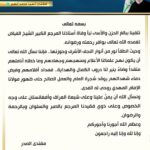
A highly impactful post by Dr. Hussein Al-Safi (Post Impact: 100%) stirred significant controversy by directly addressing Gulf countries with a piece of “advice.” The post urged them to go to Mojtaba Khamenei, whom he describes as a descendant of the Prophet, and “pledge allegiance to him in loyalty and obedience,” adding that he is certain Khamenei would pardon them. This call for submission to Iranian authority was met with strong opposition from other accounts. For instance, Faiq Al-Sheikh Ali (Post Impact: 51%) expressed a completely opposite view, labeling Iran a “dirty, rogue state” and calling for Arab nations to unite in solidarity with Kuwait against Iranian aggression. This stark contrast highlights the deep divisions in regional perspectives present in the Iraqi social media landscape.
2. Iran’s Alleged Attack on Kuwait International Airport
A major driver of conversation was the alleged Iranian attack on Kuwait International Airport. Numerous accounts shared images and videos purportedly showing extensive damage. Hayder (Post Impact: 45%) posted about “massive destruction” at the airport, later adding it was a “sad day in Kuwait” in a separate post. The narrative of Iranian aggression was strongly pushed by users like Sufian Al-Samarrai (Post Impact: 36%), who accused Iran of providing shifting justifications for the attack and claimed its real motive was anger over Kuwait’s reconstruction of the airport. Similarly, Mahdi Majeed (Post Impact: 23%) argued the airport is a purely civilian target and that Iran’s goal is to “strike development in Kuwait and the Gulf, not America and Israel.” In contrast, some accounts like Dr. Hussein Al-Safi (Post Impact: 23%) and Wesam Aziz (Post Impact: 26%) shared footage with mocking captions, celebrating the destruction.
3. Disarmament of Iraqi Factions Sparks Debate and Skepticism
The process of armed factions handing over their weapons to the state generated significant discussion and skepticism. Rusly Al-Maliki (Post Impact: 9%) reported an announcement from the spokesperson for the Commander-in-Chief of the Armed Forces that the committee for confining weapons to the state had begun its work, outlining mechanisms for integration and handover. However, many users questioned the sincerity of these moves. Ahmad Abdulsada (Post Impact: 8%) claimed the actions were merely “attempts to lift the ‘American veto'” on the factions’ participation in government. This skepticism was echoed by Dr. Majed Shingali (Post Impact: 7%), who called the announcements a “media show with no basis in reality.” The situation was complicated by reports from accounts like Rusly Al-Maliki (Post Impact: 8%) that the Al-Nujaba movement was refusing to surrender its weapons.
4. Masoud Barzani Defends the Role and Weapon of the Peshmerga
Kurdish leader Masoud Barzani (Post Impact: 51%) issued a strong statement defending the Peshmerga in response to what he called “wrong interpretations” about its weapons amid the current political situation. He emphasized that the Peshmerga’s weapon is not just “a piece of iron” but represents “history, sacrifice, dignity, and belief,” born from the “blood, toil, and tears of the people of Kurdistan.” Barzani’s statement asserts the unique identity and legitimacy of the Peshmerga forces. This declaration comes as political dialogues continue, such as the meeting between Barzani and Muthanna Al-Samarrai (Post Impact: 6%), where they discussed enhancing partnerships between national forces, placing Barzani’s comments within a broader context of asserting Kurdish political positions during a sensitive period.
5. US Reaction to Iran-Kuwait Tensions Criticized
The reaction of US President Trump to the alleged Iranian attacks on Kuwait drew sharp criticism and accusations of abandonment. Hayder (Post Impact: 17%) shared a “shocking statement” attributed to Trump, quoting him as saying, “The attacks on Kuwait are not a big problem, what happened was a mutual reaction between Iran and Kuwait.” The post concludes that Trump is abandoning Kuwait after having “milked the Gulf for trillions.” This sentiment was shared by Wesam Aziz (Post Impact: 12%), who bluntly stated, “Trump sold them out.” The narrative suggests a perception among some users that a key international ally is unreliable, leaving Gulf states vulnerable.
6. Sectarian Tensions Flare Over Sayed Faked’s Return
The return of controversial eulogist Sayed Faked, after a temporary suspension by Muqtada al-Sadr, reignited sectarian discourse. Shaho Al-Qaradaghi (Post Impact: 15%) posted a video of Faked’s first appearance, noting that his followers were chanting his previous divisive slogans. The event sparked criticism from others like Othman Al-Mukhtar (Post Impact: 34%), who lamented that the judiciary’s failure to prosecute individuals for sectarian incitement allows them to return and repeat their actions. Hiba Al-Naiyib (Post Impact: 7%) viewed the crowd’s behavior as a sign of disrespect towards their own leader, al-Sadr, who had ostensibly punished Faked for such rhetoric.
7. Eid al-Ghadir Sparks Opposing Views on Islamic Unity
The occasion of Eid al-Ghadir was a point of contention, reflecting deep-seated sectarian divides. On one side, prominent figures framed it as a moment for unity. Ammar Al-Hakim (Post Impact: 10%) described the event as a “real starting point for Islamic unity” and a call to “reject division.” Similarly, Dr. Sheikh Khalid Al-Mulla (Post Impact: 9%) congratulated Shiite citizens and expressed hope that the occasion would be an opportunity to “strengthen the bonds of brotherhood” and move away from hate speech. On the other hand, Dr. Hussein Al-Muayyad (Post Impact: 13%) strongly opposed this view, labeling the holiday the “#Eid_Al-Ghadir_hoax” and a fabrication, arguing that scientific evidence proves its falsehood.
8. Corruption Allegations Against Official Adnan al-Jamili
A significant corruption case involving official Adnan al-Jamili was a prominent topic. Users discussed the scale of the alleged theft and its wider implications. Abu Maryam (Post Impact: 7%) connected the ongoing gasoline crisis in Baghdad directly to the arrest of al-Jamili, suggesting a deliberate disruption by his associates. Salim Al-Jumaili (Post Impact: 4%) placed the blame on the entire political system, which he claims enables widespread corruption. Meanwhile, Iraqi Minister (Post Impact: 4%) reported that al-Jamili has disclosed the names of other officials involved in bribery and suspicious contracts, who are now under investigation.
9. Severe Gasoline Crisis Grips Baghdad
Iraqi social media users expressed frustration over a severe gasoline shortage that has led to long queues at fuel stations across Baghdad. Ali Al-Khalidi (Post Impact: 7%) highlighted the irony of the situation with a sarcastic post stating, “Iraq is the fifth in the world in oil reserves, but there is no gasoline.” Abu Maryam (Post Impact: 6%) shared a video of crippling traffic caused by cars lining up for fuel and linked the crisis to high-level corruption and sectarian appointments within the oil sector, claiming the position of Director of the Oil Products Distribution Company is exclusively reserved for Shiites.
10. Sunni and Kurdish Leaders Meet to Discuss Political Partnership
High-level political meetings continue to shape the country’s future, as shown in posts by Muthanna Al-Samarrai (Post Impact: 6%), head of the Azm Alliance. He detailed his meeting in Erbil with Masoud Barzani, leader of the Kurdistan Democratic Party (KDP). According to his posts, the two leaders discussed the latest political developments and stressed the importance of maintaining political understandings and strengthening the partnership between national forces to support state institutions. The talks also covered the need to complete the government cabinet based on electoral and political entitlements, signaling ongoing negotiations to finalize the country’s leadership structure.