2026-06-22: Massive Corruption Scandals Shake Iraq

Based on an analysis of 519 posts by Miqrab AI, the key themes and narratives trending on X / Twitter in Iraq on June 22, 2026, center overwhelmingly on massive corruption scandals involving high-ranking officials. Accounts across the platform expressed outrage and disbelief at the sheer scale of wealth seized from figures like Adnan al-Jamili, the Undersecretary of the Ministry of Oil, and the Director of Iraqi Airways, fueling widespread cynicism towards the government’s claims of financial hardship. This narrative of corruption intersected with political maneuvering, as some commentators warned of a wider purge targeting specific political factions. A secondary major topic was the fallout from a controversial television appearance, which led to the suspension of a political analyst for sectarian rhetoric and sparked a debate on media responsibility and freedom of speech. Other notable discussions included criticism of a government pledge to fund reconstruction in Lebanon, the observance of Muharram religious rituals, and expressions of support for the national football team.
Table Of Content
- 1. Massive Corruption Scandals Shake Iraq
- 2. Commentator Banned for Sectarian Remarks
- 3. Pledge to Rebuild Lebanon with Iraqi Funds Sparks Outcry
- 4. Muqtada al-Sadr Issues High-Impact Statement via Image
- 5. Political Pressure Mounts on Al-Halbousi Amid Arrests
- 6. Discussions on US-Iran Relations and Sanctions
- 7. Muharram Rituals Observed in Iraq and Abroad
- 8. Funeral Preparations for Iran’s Supreme Leader Discussed
- 9. Calls to End Sectarianism and Blame for Corruption
- 10. Support for National Football Team Amid Political Frustration
Today’s Top 10 X (Twitter) Trends in Iraq:
1. Massive Corruption Scandals Shake Iraq
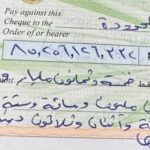
A series of high-profile corruption cases dominated the conversation, primarily focusing on the arrest of Adnan al-Jamili, Undersecretary of the Ministry of Oil. Multiple accounts reported on the vast sums of money and assets seized from him and other officials. Hisham Ali (Post Impact: 9%) and Dr. Qusay Shafiq (Post Impact: 9%) shared videos and details about the discovery of tens of billions of Iraqi dinars on a farm belonging to al-Jamili. The scandal widened with reports from Rusly Al-Maliki (Post Impact: 13%) and Hisham Ali (Post Impact: 8%) about the arrest of the Director of Iraqi Airways for embezzling over 115 billion dinars. Commentators like Haydar (Post Impact: 6%) expressed profound frustration, questioning how the government can claim a financial crisis while officials steal such enormous amounts, while Dr. Ghalib Al-Da’ami (Post Impact: 6%) suggested the logistics of the theft indicate the involvement of “large and organized mafias.” Reports also covered the seizure of assets belonging to Alaa Samir, Director of Central Electricity, as noted by Dr. Qusay Shafiq (Post Impact: 8%).
2. Commentator Banned for Sectarian Remarks
Significant discussion revolved around the decision by Iraq’s Communications and Media Commission to suspend commentator Essam Hussein from media appearances for 60 days. Ali Farhan (Post Impact: 8%) and Zaidon Samir (Post Impact: 4%), who was a guest on the same show, reported the suspension, which also included a 10-day halt for Mona Sami’s program where the remarks were made. In his response, Issam Hussein (Post Impact: 6%) stated he respected the decision but claimed it was the result of pressure from “the extremist Sunni movement” trying to silence voices that expose its reality. Other commentators, like Yasser Eljuboori (Post Impact: 6%), criticized the television channels that host Hussein for allowing his divisive rhetoric, while Mustafa Al-Dulaimi (Post Impact: 6%) accused Hussein of incitement and called for legal action against his خطاب “hateful speech.”
3. Pledge to Rebuild Lebanon with Iraqi Funds Sparks Outcry
A statement by Hammam Hamoudi, a prominent Iraqi politician, pledging that Iraq would fund the reconstruction of areas in Lebanon damaged by Israeli aggression, drew sharp criticism online. Haydar (Post Impact: 5%) reported on Hamoudi’s comments to the Lebanese ambassador and contrasted the pledge with the dire needs of “disaster-stricken” Iraqi provinces like Muthanna and Diwaniyah. Similarly, Rusly Al-Maliki (Post Impact: 5%) posted sarcastically, comparing the move to Saddam Hussein’s past financial support for Palestine and blaming Iraqis who view such politicians’ presence in power as a “victory for the sect.” Abu Maryam (Post Impact: 3%) also shared the news, inviting his followers to comment on the matter.
4. Muqtada al-Sadr Issues High-Impact Statement via Image
The most impactful single post of the day came from influential Shiite cleric Muqtada al-Sayyid Muhammad al-Sadr (Post Impact: 100%). Without any accompanying text, the account posted an image containing what appears to be a formal statement. The post generated massive engagement across the platform, indicating its significance to the Iraqi public and political scene. While the specific contents of the statement are contained within the image, the act of its publication by such a key political figure was itself the major event, prompting widespread circulation and attention from his followers and opponents alike.
5. Political Pressure Mounts on Al-Halbousi Amid Arrests
In the wake of the recent arrests of officials linked to Sunni political parties, discussion turned to the potential political fallout for former Speaker of Parliament Mohammed al-Halbousi. In a direct and cautionary post, Dr. Qusay Shafiq (Post Impact: 15%) warned Al-Halbousi that he could be next after the arrests of Adnan al-Jamili and Alaa al-Jubouri. Shafiq advised him to reconcile with former Prime Minister Nouri al-Maliki, stating, “I told you before… don’t go head-to-head with al-Maliki… Go and sit with al-Maliki, take it as advice from your brother before it’s too late.” This suggests a narrative that the corruption crackdown is intertwined with a power struggle between major political blocs. In contrast, supporters like Adil Faraj Al-Halbousi (Post Impact: 4%) posted messages of defiance, declaring that “the storm of President Mohammed al-Halbousi has begun.”
6. Discussions on US-Iran Relations and Sanctions
Developments in Iran’s relationship with the United States were a topic of keen interest. Dr. Hussein Al-Safi (Post Impact: 6%) shared news that the U.S. had lifted sanctions on Iranian oil, commenting that “America only respects the strong.” In a follow-up post, the same account remarked on what it called “Iranian cunning,” suggesting that Iran would be “drowning in money” due to the release of frozen funds, lifting of sanctions, and potential compensation from Gulf states. Meanwhile, Rafid Jaboori (Post Impact: 3%) noted that former President Trump was “announcing” Iran would allow nuclear inspections, but argued that Trump no longer possesses the means of pressure he once had.
7. Muharram Rituals Observed in Iraq and Abroad
With the arrival of the Islamic month of Muharram, posts related to Shiite mourning rituals for Imam Hussein were prominent. Dr. Hussein Al-Safi (Post Impact: 10%) shared a video of mourning ceremonies being held in the United States, captioning it with the remark, “America has become Shiite.” Within Iraq, users shared images and updates on local observances. Haydar (Post Impact: 5%) reported that the Popular Mobilization Forces were securing Husseini processions in Mosul, while Wesam Aziz (Post Impact: 6%) posted a picture from Diwaniyah under the title “Service of Hussein, peace be upon him.”
8. Funeral Preparations for Iran’s Supreme Leader Discussed
Several accounts discussed funeral arrangements for Iran’s Supreme Leader, Ali Khamenei, suggesting a belief that his death is imminent or has occurred. Haydar (Post Impact: 6%) reported on the planned slogans for the funeral ceremonies, stating it would be “Martyr of Iran” in Iran and “Rise for God” in Iraq, and added that the Iraqi government would oversee the arrangements in Najaf and Karbala. In a more critical and sarcastic tone, Najeh Abbas Al-Mizan (Post Impact: 6%) posted corrections to the phrase “Khamenei’s funeral procession,” suggesting it should be called the “funeral procession of what remains of Khamenei” or the “funeral procession of Khamenei’s remains.”
9. Calls to End Sectarianism and Blame for Corruption
The massive corruption scandals prompted broader discussions about sectarianism and the political class. Rusly Al-Maliki (Post Impact: 10%) made a passionate plea to end sectarianism, calling on people to “throw away” sectarian symbols and politicians like Nouri al-Maliki, asserting that Iraqis are inherently prepared for coexistence. The blame for corruption was also distributed along sectarian lines by some. Ahmad Abdulsada (Post Impact: 5%) accused Sunni politicians of transitioning from a theory of “sabotaging the state” to one of “stealing from the state,” but also implicated Prime Minister Sudani and other Shiite politicians as enablers and partners. The debate was encapsulated by a poll from Dr. Salah Alarbawi (Post Impact: 4%) asking followers whether Sunni or Shiite financial corruption was greater.
10. Support for National Football Team Amid Political Frustration
Amidst the heavy political and social commentary, many Iraqis rallied around their national football team. Adnan Al-Taie (Post Impact: 10%) urged citizens to stand behind the team regardless of results, contrasting the team’s circumstances with those in other countries by saying, “Iraq is a country afflicted by the corrupt… They have not left anything they have not ruined.” The sentiment of hope was echoed by UNHCR Iraq (Post Impact: 5%), which highlighted player Ali Al-Hamadi as a “symbol of hope and inclusion” who went from displacement to the World Cup stage. Other fans like Steven Nabil (Post Impact: 3%) expressed excitement for an upcoming match, predicting an “legendary” game.