2026-07-06: Muqtada al-Sadr on Khamenei’s Funeral Procession

Based on a Miqrab AI analysis of 518 X / Twitter posts trending in Iraq on July 6, 2026, the key narratives focus on the domestic and regional implications of the funeral procession for Iran’s late Supreme Leader, Ali Khamenei, being held in Iraq. The most significant trend was a carefully worded statement by cleric Muqtada al-Sadr, which dominated the conversation. Other prominent themes included widespread discussion about a major corruption case involving former official Adnan al-Jumaili, intense debate over Iranian influence and Iraqi sovereignty, speculation about the future leadership in Iran, and reports of a potential US-brokered strategic shift in Iraq’s regional alliances, particularly concerning Syria.
Table Of Content
- 1. Muqtada al-Sadr on Khamenei’s Funeral Procession
- 2. Major Corruption Case of Adnan al-Jumaili Unfolds
- 3. Speculation on Mojtaba Khamenei’s Role and Presence
- 4. Reports of a New US-Brokered Iraq-Syria Deal
- 5. Harakat al-Nujaba Reveals New Cruise Missiles
- 6. Sistani’s Office Clarifies Stance on Funeral Prayer
- 7. Criticism of Iranian Influence Amidst Funeral Plans
- 8. Clashes Over Removal of Illegal Housing in Baghdad
- 9. Pro-Iran Accounts Praise Khamenei and His Funeral
- 10. US Pressure to Disarm Militias Reported
Today’s Top 10 X (Twitter) Trends in Iraq:
1. Muqtada al-Sadr on Khamenei’s Funeral Procession
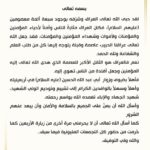
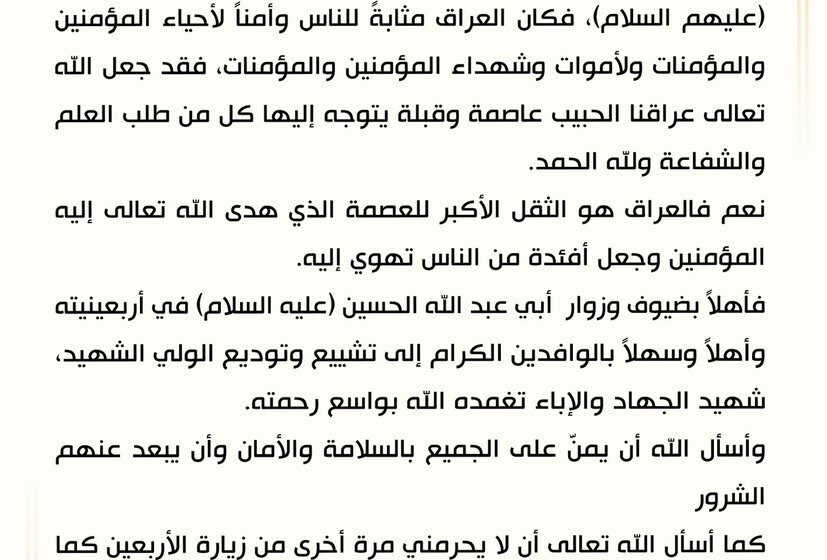
The most impactful story of the day was a statement from cleric Muqtada al-Sadr regarding the funeral procession for Iran’s late Supreme Leader Ali Khamenei in Iraq. In an image posted on his official account, Muqtada al-Sadr (Post Impact: 100%) welcomed visitors coming for the Arbaeen pilgrimage and the “arrivals for the funeral and farewell of the martyred Wali, the martyr of jihad and defiance.” While welcoming the mourners, the statement was interpreted by some users as a declaration of non-participation. For example, the account Abu Maryam (Post Impact: 7%) explicitly stated, “Sayyid Muqtada al-Sadr announces his non-participation in Khamenei’s funeral.” Meanwhile, Haidar (Post Impact: 3%) shared the full text of the statement, which emphasized Iraq’s religious centrality as a destination for pilgrims.
2. Major Corruption Case of Adnan al-Jumaili Unfolds
Significant attention was given to the ongoing corruption investigation into Adnan al-Jumaili, a former deputy minister. Accounts reported on the massive sums of money and assets seized by Iraqi authorities. Haidar (Post Impact: 4%) and Salim Al-Jumaili (Post Impact: 2%) shared updates from the judiciary, noting the seizure of 25 billion Iraqi dinars, one million US dollars, and 5kg of gold, bringing the total to 127 billion dinars and 24 million dollars. The case also sparked political debate, with Emad Bajalan (Post Impact: 11%) criticizing politician Haidar al-Mulla for defending the accused, calling him a “mouthpiece for the corrupt.” In response, Prof. Dr. Ghalib Al-Da’mi (Post Impact: 5%) directly refuted al-Mulla’s defense by listing the specific amounts and properties seized as confirmed by the Iraqi judiciary.
3. Speculation on Mojtaba Khamenei’s Role and Presence
The presence and future role of Mojtaba Khamenei, the son of the late Iranian Supreme Leader, was a subject of discussion following the funeral in Tehran. Najah Muhammad Ali (Post Impact: 18%) reported that Mojtaba was indeed present at the funeral in Tehran but was positioned in a way that made him “less visible,” noting there was “very good coordination with special security forces.” In a related post, Issam Hussein (Post Impact: 9%) criticized Saudi media for questioning Mojtaba’s low profile, pointing out the prolonged public absence of Saudi King Salman and suggesting they should “ask about your king: where has time hidden him?” before questioning Mojtaba Khamenei.
4. Reports of a New US-Brokered Iraq-Syria Deal
Several posts discussed a potential major shift in regional alignments, focusing on reports of a US-brokered economic agreement between Iraq and Syria. Citing the newspaper Asharq Al-Awsat, Rusly Al-Maliki (Post Impact: 6%) stated that an agreement would be signed during Prime Minister Ali al-Zaidi’s upcoming visit to Washington. The deal, reportedly sponsored by US envoy Tom Barrack, aims to establish economic and energy links. Another post by Rusly Al-Maliki (Post Impact: 4%) detailed the plan to create an economic corridor to the Mediterranean, reducing reliance on the Strait of Hormuz. Adding to the narrative of shifting relations with Syria, Haidar (Post Impact: 6%) quoted Izzat al-Shabandar, who claimed Ali al-Zaidi would visit the Sayyidah Zaynab shrine in Damascus accompanied by Ahmed al-Sharaa (al-Jolani).
5. Harakat al-Nujaba Reveals New Cruise Missiles
The Iraqi militia Harakat al-Nujaba became a topic of discussion after releasing a video showcasing its possession of advanced weaponry. Othman Al-Mukhtar (Post Impact: 9%) reported that the group revealed it owns long-range winged cruise missiles of Iranian origin, which he noted had been used in Syria, Lebanon, and Yemen. He contrasted this development with official slogans, stating, “The slogans of confining weapons to the state are one thing, and the reality in Iraq is another.” Similarly, Abu Maryam (Post Impact: 4%) shared the video, describing it as showing the group’s Secretary-General, Sheikh Akram al-Kaabi, launching a missile at an unknown target.
6. Sistani’s Office Clarifies Stance on Funeral Prayer
The question of who would lead the funeral prayer for Ali Khamenei in Najaf generated significant interest, with several accounts reporting on the position of Grand Ayatollah Ali al-Sistani’s office. Haidar (Post Impact: 7%) stated that Sayyid Mohammed Redha al-Sistani, the Grand Ayatollah’s son, conveyed that while his father was deserving of leading the prayer, his health condition would prevent him from doing so. The post added that Sayyid Muhammad Taqi al-Hakim was expected to lead the prayer instead. This information was echoed by Raad Hashim (Post Impact: 3%) who reported on the message sent from Sistani’s son to the Iranian leader’s office, and by Abu Maryam (Post Impact: 2%).
7. Criticism of Iranian Influence Amidst Funeral Plans
The planned funeral procession for Khamenei in Iraq amplified criticism regarding Iranian influence over Iraqi state affairs. Rusly Al-Maliki (Post Impact: 13%) strongly condemned the Iranian consulate in Najaf for allegedly sending an official letter to the city’s education directorate demanding schools be handed over to Iranian mourning processions, criticizing the Iraqi officials who complied. David Yassin (Post Impact: 10%) framed the entire event as an infringement on Iraqi sovereignty, stating, “The scene will be recorded as a foreign penetration of a violated geography.” Further criticism of the Iranian government came from Aayad Al-Twfan (Post Impact: 8%), who shared a video of an elderly Iranian woman likening the “mullahs to locusts who destroy the farm when they arrive.”
8. Clashes Over Removal of Illegal Housing in Baghdad
Social media accounts reported on unrest in the Hay al-Amil neighborhood of Baghdad, where residents clashed with authorities attempting to remove illegally constructed homes. Abu Maryam (Post Impact: 4%) shared a video of residents throwing stones and burning tires to prevent municipal and security forces from proceeding with the demolitions. The account commented that “The law is above all, and whoever builds illegally must bear the consequences.” In a similar post, Ali Farhan (Post Impact: 4%) criticized the residents, urging them to instead “rise up against the political class that has been stealing billions” rather than obstructing security forces who are “doing their duty according to the law.”
9. Pro-Iran Accounts Praise Khamenei and His Funeral
In contrast to the criticism, several accounts expressed strong support for Khamenei and praised the massive turnout for his funeral. Issam Hussein (Post Impact: 8%) suggested that opponents were upset because “for a thousand years they haven’t had a funeral for a decent leader,” claiming their leaders either face coups or end up in hiding. Emad Al-Musafir (Post Impact: 3%) predicted that the funeral in Iraq would be even more impactful than the one in Tehran and would “drive them crazy.” Likewise, Wasan Al-Shaikhli (Post Impact: 2%) expressed hope that the processions in Najaf and Karbala would “surpass the funerals of Tehran and Mashhad.”
10. US Pressure to Disarm Militias Reported
Discussions surfaced regarding external pressure on the Iraqi government to disarm militias and limit their political involvement. Rusly Al-Maliki (Post Impact: 8%), quoting Monte Carlo radio, reported that US envoy Tom Barrack urged Prime Minister Ali al-Zaidi to appoint ministers of interior and defense who are “strong supporters of the plan to confine weapons to the state and disarm the factions.” In a similar vein, Abu Maryam (Post Impact: 3%) claimed the US administration “strongly rejects the participation of any armed group or faction in the government, even if it announces it has disarmed,” adding that any such group would have to wait four years after full disarmament before being eligible to participate.