2026-08-01: Outrage Over Sexual Assault at Diwaniyah Police Station

Based on an analysis of 380 Facebook posts trending on August 1, 2026, by Miqrab AI, the primary narratives in Iraq revolve around escalating regional security tensions and significant domestic crises. The most engaging story concerns a widely condemned sexual assault on a female detainee in a Diwaniyah police station, sparking outrage and calls for accountability. Simultaneously, regional instability is a major focus, with multiple pages covering Jordan’s threats to strike pro-Iranian factions within Iraq and the Iraqi government’s subsequent emergency meetings to secure its borders. Posts from Shia cleric Muqtada al-Sadr and reports of assaults on his followers during the Arbaeen pilgrimage also generated high engagement. Other prominent topics include a new Iraq-Turkey oil agreement, US military movements in the region, repeated earthquakes in Kirkuk, and public frustration over delayed salaries and poor government services.
Table Of Content
- 1. Outrage Over Sexual Assault at Diwaniyah Police Station
- 2. Muqtada al-Sadr’s Posts and Attacks on His Followers
- 3. Jordan Threatens Action Against Factions in Iraq
- 4. Iraq and Turkey Sign Major Oil Pipeline Agreement
- 5. US Military Movements and Regional Escalation Fears
- 6. Millions Gather in Karbala for Arbaeen Pilgrimage
- 7. Repeated Earthquakes Rattle Kirkuk
- 8. Public Anger Over Delayed Salaries and Poor Services
- 9. Criticism of Iraqi Government’s Relations with Iran
- 10. PM Al-Zaydi Chairs Meetings and Makes Security Appointments
Today’s Top 10 Facebook Trends in Iraq:
1. Outrage Over Sexual Assault at Diwaniyah Police Station
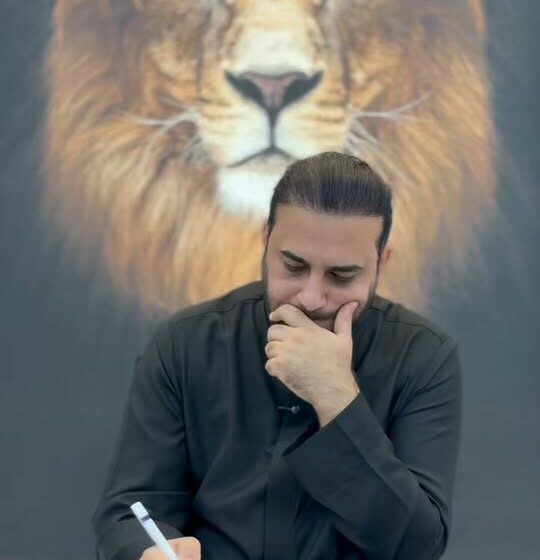
The most impactful story of the day involves a sexual assault case against a female detainee at a police station in Diwaniyah, sparking widespread condemnation and official action. The page Haider Al-Hamdani (Post Impact: 100%) published a video promising to reveal the “complete story” of the incident. In response to the outcry, Iraqeen W Bas (Post Impact: 5%) reported that the acting Minister of Interior has ordered legal action against a police officer and three other personnel allegedly involved. Further coverage from Maraya (Post Impact: 2%) notes the formation of a specialized team by the Diwaniyah Provincial Council’s Women and Children’s Committee to visit detention centers and ensure human rights standards are met to prevent future occurrences.
2. Muqtada al-Sadr’s Posts and Attacks on His Followers
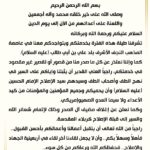
The activities and statements of Shia cleric Muqtada al-Sadr are a major focus, alongside reports of attacks against his supporters. His official page, The Private Office of His Eminence Sayyid Muqtada al-Sadr (Post Impact: 74%) and (Post Impact: 50%), shared his posts from the “X” platform, generating significant engagement. Concurrently, several pages reported on physical assaults against his followers during the Arbaeen pilgrimage. Ahmed Al-Washah (Post Impact: 11%) shared a video claiming “dependents and tails” assaulted a visitor for raising a picture of al-Sadr. Similarly, Rusly Al-Maliki (Post Impact: 2%) reported that “Al-Wilaiyya assault a young man for raising a picture of Muqtada al-Sadr during the pilgrimage.” These incidents are framed as politically motivated attacks on Sadr’s supporters.
3. Jordan Threatens Action Against Factions in Iraq
Tensions between Jordan and Iraq-based factions are a significant topic. According to Al-Khuwa Al-Nadhifa (Post Impact: 21%), an official Jordanian source told Al Arabiya, “We informed Iraq that we will strike pro-Iran factions if they attack our territory.” The source added that Jordan provided Baghdad with intelligence on plots to target the kingdom. This message was echoed by Khabar Ajel (Post Impact: 5%) and Ahmed Al-Hamdani (Post Impact: 5%). In response, the Media Office of the Iraqi Prime Minister (Post Impact: 11%) announced that Prime Minister Ali Faleh Al-Zaydi chaired an emergency meeting, stressing that Iraq would prevent any threats launched from its territory against neighboring countries.
4. Iraq and Turkey Sign Major Oil Pipeline Agreement
The Iraqi government announced a significant economic agreement with Turkey regarding oil exports. The Media Office of the Iraqi Prime Minister (Post Impact: 19%) shared a post from Prime Minister Ali Faleh Al-Zaydi describing the deal as a “strategic achievement.” The agreement concerns the transport of Iraqi crude oil through the Iraqi-Turkish pipeline to the Ceyhan port, with a minimum of 750,000 barrels per day. The post also mentioned that both governments will work on a broader framework agreement covering oil, electricity, and water resources. The deal prompted some questions, with Salem Mashkour (Post Impact: 3%) asking, “Can one of the ‘sovereignty protectors’ tell us what is happening?! Was this part of the agreements in Ankara recently?”
5. US Military Movements and Regional Escalation Fears
Fears of a wider regional conflict are fueled by reports of US military activity and official warnings. The Tactical Cell (Post Impact: 8%) reported significant US and Israeli air activity over Iraq and the region, stating it was unclear if it was for “reconnaissance and testing, or an imminent attack!” The U.S. Embassy Baghdad (Post Impact: 2%) issued a security alert for American citizens, citing “heightened tensions in the Middle East” and advising them to consider departing. Pages like Rusly Al-Maliki (Post Impact: 3%) and Al-Adhamiya News (Post Impact: 3%) also shared news of US aircraft landing at Ain al-Asad base, contributing to an atmosphere of anticipation and concern.
6. Millions Gather in Karbala for Arbaeen Pilgrimage
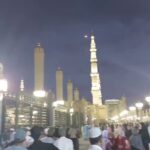
The annual Arbaeen pilgrimage is a major topic, with pages highlighting the massive crowds converging on Karbala. Al-Khuwa Al-Nadhifa (Post Impact: 11%) shared “soul-stirring aerial views” of the millions of pilgrims filling the city. The religious and unifying aspects of the event were emphasized by politicians, with Hakim Al-Zamili (Post Impact: 5%) posting a video of himself among the “million-strong crowds” and praying for their safety. Similarly, Baqir Jabr al-Zubaidi (Post Impact: 3%) described the pilgrimage as a “message of unity and popular cohesion” and a symbol of Iraq’s identity.
7. Repeated Earthquakes Rattle Kirkuk
A series of earthquakes in Kirkuk has caused alarm and widespread discussion on Facebook. Set Ashwaq Um Al-Qanuniyya (Post Impact: 7%) questioned the repeated tremors, asking, “What’s with these daily earthquakes in Kirkuk?” Pages like Mosul – MOSUL (Post Impact: 6%) and Bab Al-Toob (Post Impact: 3%) shared videos showing “the moment the ground shook in Kirkuk amid a state of panic.” The situation prompted religious responses, as reported by Eyes of Iraq (Post Impact: 4%), which noted that mosques in the city had begun broadcasting takbirs (recitations of “Allahu Akbar”).
8. Public Anger Over Delayed Salaries and Poor Services
Public discontent over delayed salaries and inadequate government services is a recurring theme. Ammar Al-Halfi (Post Impact: 6%) criticized the situation, stating, “No salaries, no electricity, foul water, no healthcare… and the people are silent.” The issue of delayed salaries was highlighted by the page Baghdad (Post Impact: 5%), which shared a video of a University of Baghdad professor showing her empty refrigerator due to the lack of payment. This was compounded by an official announcement shared by Nafs Iraq (Post Impact: 2%) that salaries for retirees, social welfare recipients, and health sector employees would be postponed.
9. Criticism of Iraqi Government’s Relations with Iran
The nature of the Iraqi government’s relationship with Iran is being critically examined by some commentators, particularly regarding economic policies. A video shared by No Objection with Dr. Qusay Shafiq (Post Impact: 7%) carries the message, “Unlimited support for Iran, and Iran closes its doors in the face of Iraq.” This sentiment was elaborated upon by Ahmed Al-Hamdani (Post Impact: 5%), who amplified Dr. Qusay Shafiq’s critique of a “weak Iraqi negotiator” for allegedly granting extensive facilities to Iranian visitors without securing reciprocal benefits for Iraq, such as the resumption of oil exports, at a time when the Iraqi state is struggling to pay employee salaries.
10. PM Al-Zaydi Chairs Meetings and Makes Security Appointments
The official activities of Prime Minister and Commander-in-Chief of the Armed Forces, Ali Faleh Al-Zaydi, were reported by government-affiliated and news pages. The Media Office of the Iraqi Prime Minister (Post Impact: 6%) and Government of Iraq (Post Impact: 2%) both covered a meeting chaired by Al-Zaydi to finalize the government’s program. In his capacity as Commander-in-Chief, Al-Zaydi also made new security appointments, as reported by Maher Mouhi::Voice of the Nation’s Protectors (Post Impact: 4%), which announced the appointment of Major General Ali Al-Majidi as the commander of Diyala Operations, and in a separate post (Post Impact: 3%), the appointment of Major General Kamel Saleh as the commander of Salah al-Din Operations.