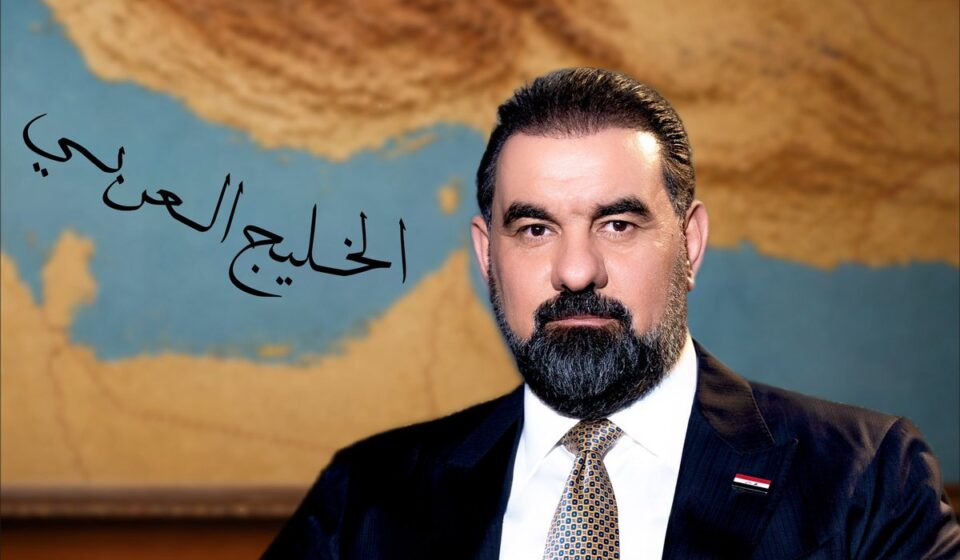
2026-08-20: Iraqi & Iranian Speakers Clash in “Map War” Over Gulf Name

An analysis of 423 trending X / Twitter posts in Iraq on August 20, 2026, by Miqrab AI reveals a social media landscape dominated by a geopolitical dispute over the naming of the Gulf. This “map war,” ignited by the visiting Iranian Parliament Speaker and countered by his Iraqi counterpart, has triggered a widespread debate touching on national identity, historical grievances, and regional alliances. Conversations also centered on escalating US-Iran tensions, with a focus on American sanctions and their potential impact on Iraq. Internally, discussions revolved around the influence of pro-Iran armed factions, the contentious status of the Jurf al-Sakhr region, and criticism of Iraqi state institutions.
Table Of Content
- 1. Iraqi & Iranian Speakers Clash in “Map War” Over Gulf Name
- 2. Widespread Debate on the Gulf’s Historical Name
- 3. Alleged Iranian Conditions for Iraqi Oil Exports
- 4. US Threatens to Collapse Iranian Regime with Sanctions
- 5. Criticism of Pro-Iran Factions and Loyalties in Iraq
- 6. Iraqis Debate National Identity Amidst Iranian Influence
- 7. Historical Arab-Persian Rivalry Invoked in Current Tensions
- 8. Praise for Iraqi Security Agencies Resisting Foreign Infiltration
- 9. Media Regulator Criticized for Alleged Political Bias
- 10. Iraq’s Short Coastline and Role in Gulf Politics Questioned
Today’s Top 10 X (Twitter) Trends in Iraq:
1. Iraqi & Iranian Speakers Clash in “Map War” Over Gulf Name
A major diplomatic and social media spat erupted between Iraq and Iran after a visit by Iranian Parliament Speaker Mohammad Bagher Ghalibaf. According to multiple accounts, the controversy began when Ghalibaf posted a picture of himself with a map in the background labeling the waterway as the “Persian Gulf.” In a widely circulated and high-impact response, Iraqi Parliament Speaker Haibet Al-Halbousi (Post Impact: 100%) posted a photo of himself with a map clearly labeled “Arabian Gulf,” using the hashtag #الخليج_العربي. Accounts like Liqaa Maki (Post Impact: 9%) and Ali Farhan (Post Impact: 5%) described Halbousi’s post as a quick and direct reply to what they perceived as a provocative gesture by the Iranian official. The exchange, dubbed a “war of maps” by users like Abu Maryam (Post Impact: 1%), was seen as a symbolic confrontation over national and regional identity.
2. Widespread Debate on the Gulf’s Historical Name
The speakers’ clash fueled a broader debate online about the historically accurate and politically appropriate name for the Gulf. One perspective, voiced by users like Ahmad Abdulsada (Post Impact: 4%) and Abu Asad Al-Yasiri (Post Impact: 2%), argues that “Persian Gulf” is the correct name, citing its official recognition by the United Nations and its historical precedence. In contrast, accounts such as Aayad Al Twfan (Post Impact: 3%) insist it is and will remain the “Arabian Gulf” regardless of Iranian objections. A third narrative emerged, with users like Ameer aldaami (Post Impact: 2%) and Haidar (Post Impact: 1%) suggesting “Basra Gulf” as a more authentically Iraqi designation, pointing to its use before the Ba’athist era.
3. Alleged Iranian Conditions for Iraqi Oil Exports
Amid the visit of Iranian Speaker Ghalibaf, claims circulated regarding conditions set by Iran for allowing Iraqi oil exports through the Strait of Hormuz. The account Aayad Al Twfan (Post Impact: 3%) reported that Ghalibaf demanded three conditions: maintaining the status quo in Jurf al-Sakhr, postponing the handover of factional weapons, and exempting “mujahideen” from anti-corruption measures. While these specific conditions were not widely corroborated, other users like Ahmed Al-Alwani (Post Impact: 1%) commented that the results and agreements from recent visits by Iranian leaders to Iraq were gradually becoming apparent, suggesting significant background negotiations were taking place.
4. US Threatens to Collapse Iranian Regime with Sanctions
Discussions on X / Twitter heavily featured new threats of US sanctions against Iran. Multiple posts by Rusly Al-Maliki (Post Impact: 2%) and Dr. Zaid Abdulwahab Al-Adhami (Post Impact: 1%) quoted the US Treasury Secretary stating that the sanctions “will lead to the collapse of the regime.” Al-Maliki also detailed a wider strategy announced by former President Trump, involving a “comprehensive siege on Iran” and severe economic penalties for any country that assists Tehran economically or helps it circumvent sanctions, highlighting America’s ability to secure 50% of oil passage through the Strait of Hormuz under its protection.
5. Criticism of Pro-Iran Factions and Loyalties in Iraq
The influence of pro-Iran armed factions within Iraq was a significant topic of criticism. Shaho Al-Quradaghi (Post Impact: 2%) shared a video of a “pro-Wilaya” (pro-Guardianship of the Jurist) journalist defending Iran and attacking Iraqi cleric Muqtada al-Sadr, quoting her as saying, “Who are you to threaten the Iranian Revolutionary Guard?”. Similarly, Ali Farhan (Post Impact: 1%) questioned the legitimacy of the factions’ claims of resisting the US, arguing that their actions, such as rocket attacks, primarily harm Iraqi civilians and state assets rather than American forces.
6. Iraqis Debate National Identity Amidst Iranian Influence
The Gulf naming dispute has sparked a deeper conversation about national identity and foreign allegiances among Iraqis. Ameer aldaami (Post Impact: 2%) stated that while he understands Iranians defending the “Persianness” of the Gulf and Arabs defending its “Arabness,” he cannot comprehend Iraqis who “stab the Arabness of the Gulf in favor of its Persianness.” This sentiment was echoed by Othman Al-Mukhtar (Post Impact: 1%), who argued that an Iraqi attacking their own parliament speaker on this issue “requires the opening of a study center for subservient diseases.”
7. Historical Arab-Persian Rivalry Invoked in Current Tensions
Users drew on historical events to frame the current tensions between Arabs and Persians. Rusly Al-Maliki (Post Impact: 2%) recounted the story of the Arab victory in the Battle of al-Qadisiyyah, noting that the daughters of the defeated Persian king Yazdegerd III were married to the sons of the early Caliphs in Medina. In a more recent historical reference, Othman Al-Mukhtar (Post Impact: 1%) marked the anniversary of the Iran-Contra affair, reminding followers that Israel supplied Iran with advanced missiles that were later used in the occupation of the Iraqi Faw Peninsula during the Iran-Iraq War.
8. Praise for Iraqi Security Agencies Resisting Foreign Infiltration
Amidst criticism of armed factions, some voices expressed strong support for official Iraqi security institutions. Dr. Qusay Shafiq (Post Impact: 1%) praised the Iraqi National Intelligence Service and the Counter-Terrorism Service, describing them as “national agencies not penetrated by the Tufaga [shooters] affiliated with the neighboring country.” He thanked them for remaining steadfastly Iraqi. This sentiment was supported by Ali Farhan (Post Impact: 1%), who condemned what he called a “paid-for, flimsy theatrical performance” on media channels aimed at treasonously discrediting these sensitive security bodies.
9. Media Regulator Criticized for Alleged Political Bias
The assertive stance of Parliament Speaker Halbousi led to commentary on potential repercussions from Iraq’s Communications and Media Commission (CMC). Ali Farhan (Post Impact: 2%) posted with sarcasm, stating, “My fear for Al-Halbousi is that the Commission might ban him from appearing after this post!” Taking a more serious tone, Sajjad Salim (Post Impact: 1%) described the CMC as a “political committee” representing the parties of the Coordination Framework and questioned by what right it could prevent another politician from appearing in the media.
10. Iraq’s Short Coastline and Role in Gulf Politics Questioned
A critical perspective emerged analyzing Iraq’s role in the regional dispute, given its geography. Haidar (Post Impact: 2%) pointed out the irony of Iraq, with only 58 km of coastline, taking a leading role in confronting Iran over the Gulf’s name while Arab countries with much longer coastlines remained silent. The account argued that Halbousi was playing the old role of “protector of the eastern Arab gate” instead of adopting a more nationalistic Iraqi stance, such as promoting the name “Basra Gulf.” Essam Hussein (Post Impact: 1%) also questioned what leverage Halbousi had to challenge Iran and the US over the strait, contrasting their military assets with Iraq’s perceived lack thereof.