2026-08-26: Syria: Prophecies, SDF Dissolution, and New Alliances

Based on an analysis of 403 X / Twitter posts conducted by Miqrab AI on August 26, 2026, the primary online conversations in Iraq revolve around major geopolitical shifts in Syria, particularly the dissolution of the Syrian Democratic Forces (SDF) and historical predictions about armed groups, which spark parallel debates on the future of armed factions within Iraq. Domestically, there is widespread frustration over the declining international standing of Iraqi universities and outrage directed at a Lebanese journalist for comments perceived as insulting to Iraqi security forces. Discussions also feature heightened sectarian tensions, nostalgic recollections of past political leaders’ assertive stances, and ongoing concerns about corruption and the critical need to restrict weapons to state control, all framed within the broader context of US-Iran regional dynamics.
Table Of Content
- 1. Syria: Prophecies, SDF Dissolution, and New Alliances
- 2. Iraqi Universities Exit Top 1000 Global Ranking
- 3. Outrage Over Lebanese Journalist’s Comments on Iraqi Forces
- 4. Remembering Abdul Aziz al-Hakim’s Stance Against Barzani
- 5. Sectarian Tensions Rise Over Insults to Islamic Figures
- 6. US-Iran Tensions and Alleged US Regional Strategy
- 7. Criticism of Faction Leaders’ Pasts and Alleged Crimes
- 8. Debate Intensifies Over Restricting Weapons to the State
- 9. Allegations of Corruption and Conflicts of Interest Among Officials
- 10. Reports on Security and Events in Iran and Yemen
Today’s Top 10 X (Twitter) Trends in Iraq:
1. Syria: Prophecies, SDF Dissolution, and New Alliances
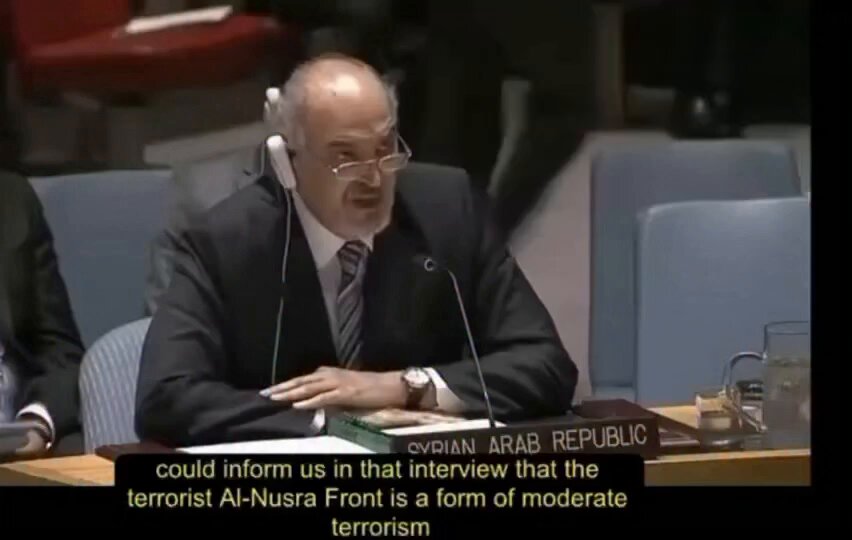
A dominant narrative centers on significant political developments in Syria. Essam Hussein (Post Impact: 100%) revisits a 2015 “prophecy” by Syria’s then-UN representative Bashar al-Jaafari, who warned that some would try to legitimize Jabhat al-Nusra and remove it from terror lists. This is discussed in the context of current events, as Nechirvan Barzani (Post Impact: 58%), President of the Kurdistan Region of Iraq, welcomes the integration of the Syrian Democratic Forces (SDF/QSD) into Syrian government forces, praising Syrian President Ahmed al-Sharaa and SDF commander Mazloum Abdi. Analyst Liqaa Maki (Post Impact: 41%) provides context, calling the SDF’s dissolution a peaceful resolution but cautioning that deep-seated Kurdish nationalism could fuel resistance to the deal. This development prompts questions from accounts like Omar Al-Janabi (Post Impact: 10%) about whether Iraqi armed groups like the Popular Mobilization Forces will face similar dissolution.
2. Iraqi Universities Exit Top 1000 Global Ranking
A report on the declining state of Iraqi higher education has triggered sarcastic and disappointed reactions. Rusly Al-Maliki (Post Impact: 100%) ironically congratulates Iraq for the “very happy news” that all its universities have completely exited the Shanghai Ranking of the world’s top 1000 universities for 2026. Similarly, ahmedmeckya (Post Impact: 29%) recalls a story from the 1980s in which a European professor predicted Iraqis would one day be “masters of the Earth” because the rest of the world would have advanced to Mars while they remained behind. He connects this anecdote to the recent news, stating it confirmed the professor’s prediction about the country’s trajectory.
3. Outrage Over Lebanese Journalist’s Comments on Iraqi Forces
Widespread anger was directed at a Lebanese journalist appearing on Iraqi television for comments perceived as undermining the country’s sovereignty and security institutions. Ali Farhan ali farhan (Post Impact: 91%) expresses disbelief that a foreigner is brought to Baghdad to “stab your state, your army, and your security forces” on air, questioning the honor of those who allow it. Mustafa Al-Dulaymi (Post Impact: 19%) echoes this sentiment, calling the journalist an “imbecile” who insults Iraq because he knows he is protected by forces “stronger than the state.” Dr. Zaid Abdulwahab Al-Adhamy (Post Impact: 21%) criticizes Iraq’s Communications and Media Commission for ignoring the incident, which he claims threatens civil peace.
4. Remembering Abdul Aziz al-Hakim’s Stance Against Barzani
A post with very high engagement reminisces about the political strength of the late Shiite leader Abdul Aziz al-Hakim, particularly in his dealings with Kurdish leader Masoud Barzani. Dr. Hussein Al-Safi (Post Impact: 85%) recounts two anecdotes: one where al-Hakim allegedly made Barzani wait two hours for a meeting, and another where he supposedly threw an ashtray at Barzani for demanding a fixed 21% budget share for the Kurdistan Region. The account presents these stories as examples of al-Hakim’s courage, suggesting that the “new generation” is unaware of his powerful leadership style.
5. Sectarian Tensions Rise Over Insults to Islamic Figures
Sectarian tensions are a prominent theme, with several posts discussing insults directed at companions of the Prophet Muhammad and the legal and social fallout. Dr. Hussein Al-Muayyad (Post Impact: 56%) calls upon Iraq’s Sunni Endowment to instruct Friday preachers to defend the status of Caliph Omar ibn al-Khattab and condemn what he calls “Safavid” insults that undermine social coexistence. This follows reports from Abu Maryam (Post Impact: 11%) that the Sunni Endowment has filed a formal lawsuit against eulogist Faked Al-Moussawi for his offensive chants. Meanwhile, Hydar (Post Impact: 33%) reports that Al-Moussawi is suing pages that published an old video of him, claiming it’s a distraction.
6. US-Iran Tensions and Alleged US Regional Strategy
Discussions about US-Iran relations and American strategy in the Middle East are active, with accounts presenting theories about covert plans and historical manipulation. Najih Muhammad Ali (Post Impact: 44%) claims there is a “clear American plan” to control Omani territory near the Strait of Hormuz, and that Iran is fully aware and prepared for it. In a lengthy analysis, Mohamed Almaroof/Mohammed Al-Maarouf (Post Impact: 38%) argues that the US has strategically used Iran as a “dirty tool” since 1979 to destabilize nation-states in the region and fuel sectarianism, citing the American saying, “Create a problem, then sell the solution” to explain arms sales to Gulf nations. Abu Maryam (Post Impact: 28%) adds that the US is actively working to instigate internal problems in Iran by leveraging poor economic conditions.
7. Criticism of Faction Leaders’ Pasts and Alleged Crimes
The backgrounds and alleged actions of current factional and political leaders are under scrutiny. Hiba Al-Naib (Post Impact: 38%) highlights a statement from a figure named Amin Nasser, who claims he knows former intelligence officers from Saddam Hussein’s era who are now leaders in armed factions, suggesting hypocrisy. Omar Al-Janabi (Post Impact: 29%) shares a video allegedly showing a member of Asa’ib Ahl al-Haq confessing to the killing of forcibly disappeared individuals from Anbar province, calling for judicial and governmental action. Wasan Al-Shaikhli (Post Impact: 8%) expresses the view that the sons of Baathists have benefited more from the post-2003 system than those who were oppressed by the former regime.
8. Debate Intensifies Over Restricting Weapons to the State
The politically charged issue of confining all weapons to state control is a major topic, especially in light of regional developments. Othman Al-Mukhtar (Post Impact: 37%) uses the hashtag #احصر_سلاحك_لاتحاصر_وطنك (Confine your weapon, don’t besiege your nation) while highlighting the plight of displaced children in Anbar, blaming “Iran’s militias” for occupying Jurf al-Sakhr. Meanwhile, a statement from Nouri al-Maliki is widely reported by accounts such as Shahou Al-Qaradaghi (Post Impact: 11%) and Hisham Al-Rakabi (Post Impact: 9%), where Maliki stresses the need to address the issue through dialogue and warns that a confrontation between the state and armed factions would be “extremely dangerous” for Iraq.
9. Allegations of Corruption and Conflicts of Interest Among Officials
Allegations of corruption and conflicts of interest involving Iraqi officials are being discussed. Prof. Dr. Ghalib Al-Da’ami (Post Impact: 41%) comments on a post by MP Mustafa Sanad regarding governors who may also be contractors. Al-Da’ami calls for a review of these officials’ companies to determine if conflicts of interest exist. Separately, Dr. Qusay Shafiq (Post Impact: 11%) questions MP Sanad’s own motives, accusing him of promoting the company Earthlink and asking why he is providing “advertising for a company that uses Iraq’s infrastructure” while paying little back to the state.
10. Reports on Security and Events in Iran and Yemen
Several high-engagement posts share news and videos from neighboring countries, particularly Iran and Yemen. Rusly Al-Maliki (Post Impact: 44%) reports the “liquidation” of four members of the Iranian Revolutionary Guard Corps in the city of Sanandaj. The same account also shares a video from what it calls “amazing Yemen” (Rusly Al-Maliki, (Post Impact: 61%)). In a related cultural post, Dr. Hussein Al-Safi (Post Impact: 29%) shares a video of what he claims was the largest celebration of the Prophet’s birthday in the Middle East, held this year in Yemen. Another report from Rusly Al-Maliki (Post Impact: 40%) states that an Iranian plane carrying 175 Iraqis went off the runway in Mashhad, Iran.


