2026-10-02: Debate Over U.S. Troop Withdrawal (“Sovereignty Day”)

Based on an analysis of (326) X / Twitter posts by Miqrab AI, the key themes and narratives trending in Iraq on October 2, 2026, revolved around national sovereignty, foreign influence, and internal security. The official celebration of “Sovereignty Day” to mark the U.S. troop withdrawal was a central topic, featuring military air shows but also attracting significant public skepticism and debate about whether Iraq has achieved true independence from foreign powers, particularly Iran and the United States. Economic discussions were prominent, driven by news of fresh U.S. sanctions on Iran’s industries and a new agreement allowing 40 daily Iranian flights to Najaf, which was framed by the government as a diplomatic success but viewed by critics as a move that undermines sanctions. Narratives of national identity were fiercely contested through viral videos showing some Iraqis expressing loyalty to Iran over Iraq, sparking widespread outrage. Against this political backdrop, somber personal stories, such as the return of remains of Yazidi genocide victims, provided a poignant counter-narrative about the country’s deep-seated traumas.
Table Of Content
- 1. Debate Over U.S. Troop Withdrawal (“Sovereignty Day”)
- 2. Resumption of Iranian Flights to Najaf Airport
- 3. Viral Videos Stir Debate on Loyalty to Iran
- 4. U.S. Imposes New Sanctions on Iranian Industries
- 5. Kurdish President’s Pro-Unity Gesture in Baghdad
- 6. “Resistance” Militias Criticized Over Past Actions
- 7. Wall Street Journal Team Leaves Iraq Due to Threats
- 8. Remains of Yazidi Genocide Victims Returned
- 9. Speculation Mounts Over U.S. Military Action Against Iran
- 10. Calls to Disarm Militias and Assert State Control
Today’s Top 10 X (Twitter) Trends in Iraq:
1. Debate Over U.S. Troop Withdrawal (“Sovereignty Day”)
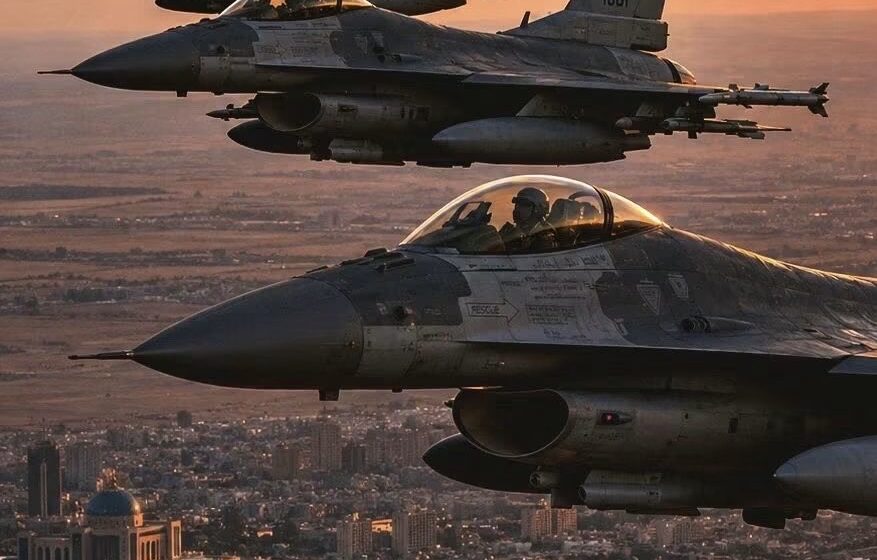
The withdrawal of U.S. forces, marked as “Sovereignty Day,” dominated conversations, with celebrations featuring air shows by the Iraqi Air Force over Baghdad and other provinces, as shared by accounts like Haidar (Post Impact: 30%). However, the event was met with considerable skepticism. Kifah Mahmood (Post Impact: 22%) questioned if the withdrawal solved Iraq’s 23 years of corruption and underdevelopment, calling the celebrations an “illusion” created by the “frail.” Critics like Hiba Al-Nnaayib (Post Impact: 43%) shared videos to challenge the “resistance” narrative behind the celebrations. Amid the events, the Iraqi Ministry of Defense (Post Impact: 22%) issued an official denial of rumors that an F-16 fighter jet had crashed during the air show.
2. Resumption of Iranian Flights to Najaf Airport
A major development was the agreement to allow Iranian airlines to resume flights to Najaf International Airport. The Prime Minister’s Media Office (Post Impact: 15%) officially announced a deal for 40 daily flights, excluding the sanctioned Mahan Air. The government framed this as a diplomatic success achieved through dialogue with the U.S. to secure an exception for humanitarian, religious, and tourism purposes. The news was widely shared by accounts including Haidar (Post Impact: 18%). However, some commentators were critical. Rafid Jaboori (Post Impact: 19%) questioned whether it was an “air bridge to revive the regime or an exception for humanitarian purposes,” pointing out the number of flights is similar to the pre-sanctions total. Political leader Ammar Al-Hakim (Post Impact: 14%) praised the move and expressed solidarity with Iran against economic pressures.
3. Viral Videos Stir Debate on Loyalty to Iran
Videos depicting some Iraqis expressing extreme loyalty to Iran over their own country circulated widely, sparking outrage and debate about foreign influence. Shaho Al-Qaradaghi (Post Impact: 66%) shared a video of an Iraqi man stating, “If I had to choose between my son and Iran, I would choose Iran… My sons are a sacrifice for Iran.” Similarly, Abu Maryam (Post Impact: 49%) posted a video of a young Iraqi urging citizens to boycott Najaf airport and Iraqi Airways, instead traveling overland to Iran to use its airlines so the money goes to Iran. The account expressed shock, asking, “How can a person reach the point of calling for the loss of his country’s institutions for the benefit of another country?” A further post from Abu Maryam (Post Impact: 26%) called on security services to take action against another Iraqi who allegedly called for Iran to bomb Iraqi oil pipelines.
4. U.S. Imposes New Sanctions on Iranian Industries
The U.S. Treasury Department’s imposition of a new package of sanctions against Iran was a key topic. Rusly Al-Maliki (Post Impact: 53%) reported that the sanctions target Iran’s industrial, iron, steel, automotive, and railway sectors. Abu Maryam (Post Impact: 13%) specifically highlighted the inclusion of Iranian car manufacturer “Saipa,” which has a significant presence in the Iraqi market. The post noted that this would mean “no more spare parts” for Saipa cars in Iraq and detailed the company’s history of exporting and assembling cars in the country.
5. Kurdish President’s Pro-Unity Gesture in Baghdad
The participation of Kurdistan Region President Nechirvan Barzani in the “Sovereignty Day” celebrations in Baghdad drew significant positive attention. Haidar (Post Impact: 41%) highlighted that Barzani delivered his speech in Arabic and wore an Iraqi flag pin on his chest. This gesture was widely interpreted as a move toward national unity. Abu Maryam (Post Impact: 31%) predicted that Barzani will have a “very large and important role in the history of Iraq.” Likewise, Mahdi Majeed (Post Impact: 14%) saluted the gesture and expressed hope that all Iraqi leaders would show loyalty to Iraq alone, advocating for a national doctrine of “Iraq first and before everything.”
6. “Resistance” Militias Criticized Over Past Actions
As some factions celebrated the U.S. withdrawal as a victory for the “resistance,” critical voices emerged, sharing archival footage to challenge this narrative. Hiba Al-Nnaayib (Post Impact: 43%) shared a video allegedly showing militia members beating an Iraqi soldier for “standing against the Americans,” questioning their claims to resistance and sovereignty. Radi Al-Ardhhalji (Post Impact: 14%) shared the same video, describing it as a glimpse into the “shameful history of the audience of those who claim to resist America, upon whose tanks they arrived,” and noting that the U.S. Army was the one to rescue the soldier.
7. Wall Street Journal Team Leaves Iraq Due to Threats
The security situation for foreign journalists was highlighted by reports that a team from the Wall Street Journal had to leave Iraq. Rusly Al-Maliki (Post Impact: 42%) stated that the team left due to fears of being kidnapped by Shia militias. Abu Maryam (Post Impact: 7%) provided more detail, citing a post from journalist Jared Malsin, who confirmed he cut his trip to Baghdad short after Iraqi officials warned of a security threat. Malsin reportedly added that U.S. officials later informed him the warning was linked to a kidnapping threat planned by an armed faction.
8. Remains of Yazidi Genocide Victims Returned
Nobel laureate and activist Nadia Murad (Post Impact: 100%) shared a deeply personal and somber story that garnered immense engagement. She announced that after 12 years, the remains of 25 Yazidis killed in the genocide were returned to their families for burial. Among them was her own brother, Heji Murad Basee. In her post, she stated, “We finally had the chance to say goodbye. We continue to wait for our other family members to be identified and returned.” Her message served as a powerful reminder of the ongoing process of healing and justice for the Yazidi community.
9. Speculation Mounts Over U.S. Military Action Against Iran
Amid heightened regional tensions, there was widespread speculation about a potential U.S. military strike against Iran. Abu Maryam (Post Impact: 18%) cited analyst Yaarob Sakhr, who claimed that 300 U.S. fighter jets were massing for a “devastating strike” on 1,500 Iranian targets. Rafid Jaboori (Post Impact: 21%) analyzed former President Trump’s stance, noting he is “prepared for the possibility of his party losing in the congressional elections because of the Iran war” but is insistent on preventing Iran from obtaining a nuclear weapon. Meanwhile, Dr. Zaid Abdulwahab Al-Adhamy (Post Impact: 16%) quoted Trump as saying, “We don’t want to leave the chaos in Iran to another president who might not do what we did.”
10. Calls to Disarm Militias and Assert State Control
The issue of unregulated weapons and the power of militias was a prominent concern. Shaho Al-Qaradaghi (Post Impact: 14%) shared a video highlighting the disparity between state rhetoric and militia actions, stating, “The state says we will collect all weapons, and they say we won’t even hand over a fruit knife to the state! Who will win in the end?” Aayad Al Twfan (Post Impact: 13%) echoed this sentiment, arguing that uncontrolled weapons must be brought under state authority and that the law must be above all. The post concluded that a state where citizens fear weapons more than they trust the law needs to restore its prestige through action, not slogans.