2026-03-26: Escalating US-Iran Conflict and Predictions of War

Based on an analysis of 134 X / Twitter posts trending on March 26, 2026, Miqrab AI identified several key narratives circulating in Iraq, primarily dominated by the escalating military conflict between the United States and Iran. Discussions revolved around direct U.S. military actions in both Iran and Iraq, including the reported assassination of a high-ranking Iranian naval commander and airstrikes on Popular Mobilization Forces (PMF) positions within Iraq. This regional crisis has fueled a polarized discourse among Iraqi users, with some expressing strong solidarity with Iran and calling for economic and moral support, while others advocate for crushing Iranian influence. Concurrently, conversations highlighted Iraq’s military vulnerabilities, particularly its lack of air defense, sparking debates about government accountability and corruption. The conflict’s ripple effects were also a major theme, with commentary on Hezbollah’s activities in Lebanon, tensions with Gulf countries, and threatening rhetoric directed at regional states perceived to be aligned with the U.S.
Table Of Content
- 1. Escalating US-Iran Conflict and Predictions of War
- 2. US Airstrikes on PMF Positions Inside Iraq
- 3. Calls for Solidarity and Economic Support for Iran
- 4. Regional Tensions Involving Lebanon and Gulf States
- 5. Assassination of Iranian Naval Commander Ali Reza Tangsiri
- 6. Iraq’s Lack of Air Defense and Government Criticism
- 7. Contrasting Views on the Role of Gulf Countries
- 8. Iran Reportedly Lowers Military Recruitment Age to 12
- 9. Trump’s Bizarre Claims and Negotiations with Iran
- 10. Houthi Leader Pledges Allegiance to Iran in Conflict
Today’s Top 10 X (Twitter) Trends in Iraq:
1. Escalating US-Iran Conflict and Predictions of War
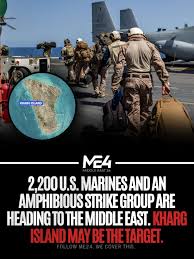
Discussions about the escalating conflict between the United States and Iran dominated the platform, with many accounts sharing timelines and predictions of an imminent Iranian defeat. Mazin AlEshaiker (Post Impact: 1%) posted a detailed timeline of events starting with a deadline from President Trump to Iran, culminating in a predicted Iranian surrender by March 30th after a US land invasion of Iranian islands. This sentiment was echoed by Faiq Al-Sheikh Ali/My Word for History (Post Impact: 1%), who stated, “Iran must be destroyed. Iran must surrender!” and argued that the war would not stop until the US occupies key Iranian islands to control the Strait of Hormuz. Adding to this narrative, Mahdi Majeed (Post Impact: 1%) shared “leaks” that US and Israeli forces had already conducted an airdrop inside Iran in preparation for a ground attack. Reports of the Pentagon preparing a “knockout blow” were also shared by Hussam Alhaj (Post Impact: 0%), citing Axios.
2. US Airstrikes on PMF Positions Inside Iraq
A significant number of posts reported on direct US military action against the Popular Mobilization Forces (PMF) within Iraqi territory. Sufian Al-Samarrai (Post Impact: 1%) reported that US fighter jets were bombing PMF sites in Anbar and preventing anyone from approaching the targeted locations to rescue the wounded, claiming it is part of a US-Israeli goal to eliminate PMF leadership. Video footage of the aftermath was shared by multiple users, including Mujahid Al-Taee (Post Impact: 1%) showing an Iraqi soldier filming the moments after a strike on the Habbaniyah base, and Dr. Hussein Al-Safi (Post Impact: 1%), who posted a video of an Iraqi man holding the military boot of his brother, who was reportedly killed in a US strike. Other accounts like Hussam Alhaj (Post Impact: 0%) also reported on a US airstrike targeting a PMF headquarters in Salah al-Din.
3. Calls for Solidarity and Economic Support for Iran
In response to the conflict, a strong narrative of solidarity with Iran emerged, with calls for Iraqis to provide both moral and economic support. Wissam Aziz (Post Impact: 1%) urged Iraqis to follow religious guidance to support Iran and Lebanon by boycotting Saudi, Jordanian, and Turkish goods and buying Iranian products instead, framing it as a choice between funding the Israeli “Iron Dome” or Iranian “ballistic missiles.” This sentiment was complemented by videos shared by Ahmad Al-Thawaq (Post Impact: 1%) showing Iraqis providing aid to Iran. In a post highlighting sectarian unity, Muna Sami (Post Impact: 2%) shared a video of Sunni clerics attending the funeral of PMF members, stating, “Here is Iraq with its Sunnis and Shiites, our enemy is one.” Furthermore, Haidar (Post Impact: 0%) reported that the Iranian Foreign Minister praised the “wise positions” of the Iraqi religious authorities, government, and people in supporting Iran.
4. Regional Tensions Involving Lebanon and Gulf States
The conflict’s regional dimensions were a key topic, with specific attention on Lebanon and threats directed at Gulf countries. Dr. Hussein Al-Safi (Post Impact: 3%) issued a direct threat, stating that “any Gulf state that interferes in Lebanon’s affairs now or in the future will be disciplined.” In parallel, accounts celebrated Hezbollah’s military actions, with Muna Sami (Post Impact: 1%) highlighting a claim of destroying 55 Merkava tanks in a single day and Ghadanfar Al-Miqdad (Post Impact: 2%) posting a video of the “sacred corniche that broke the nose of the occupation in southern Lebanon.” Meanwhile, Haidar (Post Impact: 1%) contrasted the situation by reporting that Egypt sent over 1,000 tons of humanitarian aid to Lebanon, while noting that Gulf aid was allegedly conditioned on the elimination of Hezbollah.
5. Assassination of Iranian Naval Commander Ali Reza Tangsiri
The targeted killing of a senior Iranian military figure was a major news story shared across multiple accounts. Rusly Al-Maliki (Post Impact: 1%) reported on the assassination of Iranian Navy Commander Ali Reza Tangsiri, sharing a video of Tangsiri speaking about his forces’ capabilities aboard an Iranian carrier that was reportedly sunk two weeks prior. Al-Maliki later added a quote from Israeli sources identifying Tangsiri as the official responsible for closing the Strait of Hormuz. The news was also shared by accounts like Wasan Al-Shaikhli (Post Impact: 1%), who posted a picture of the commander with a derogatory comment celebrating his death. This event was presented as a significant blow to Iran’s military leadership amid the wider conflict.
6. Iraq’s Lack of Air Defense and Government Criticism
The ongoing airstrikes have ignited a debate about Iraq’s military preparedness, with several users blaming political corruption and incompetence for the country’s lack of a functional air defense system. Dr. Hussein Al-Safi (Post Impact: 1%) harshly criticized Iraq’s rulers for the past 22 years for failing to build an air defense system, a missile industry, or a strong economy, stating their only goal was “how to steal” and please the US embassy. Ahmad Alwishah (Post Impact: 1%) shared a video of Major General Pilot Ahmed Al-Sharifi recounting how Iraq possessed 35 aircraft after the fall of the previous regime, which were then sold for scrap by the subsequent government. Rusly Al-Maliki (Post Impact: 0%) further accused pro-Iran factions of bankrupting the Iraqi army of effective arms deals, only to later blame the army for being unable to defend them.
7. Contrasting Views on the Role of Gulf Countries
Opinions on the role and character of Gulf states were sharply divided. On one side, Faiq Al-Sheikh Ali/My Word for History (Post Impact: 1%) called for the public execution of “Iranian cells” in Gulf countries to serve as a lesson for “every treacherous, cowardly, and vile person.” In stark contrast, Dr. Hussein Al-Safi (Post Impact: 3%) warned Gulf nations against interfering in Lebanon, stating they had grown “larger than their natural size.” A third perspective was offered by Mahdi Majeed (Post Impact: 1%), who praised Saudi Arabia and other Gulf rulers for focusing on building their countries and extending “hands for good and not for evil,” unlike Iran.
8. Iran Reportedly Lowers Military Recruitment Age to 12
Several accounts circulated reports that Iran’s Islamic Revolutionary Guard Corps (IRGC) was lowering its minimum recruitment age for volunteers to just 12 years old amid the escalating conflict. Rusly Al-Maliki (Post Impact: 0%) shared this information with an image of what appears to be an official notice. The same claim was reported by Ali Farhan (Post Impact: 0%), who specified that the call for volunteers aged 12-13 came from the Tehran branch of the IRGC. The news was also commented on by Omar Abdul Sattar Mahmoud (Post Impact: 0%), who found the development “strange.” This narrative suggests Iran is preparing for massive human losses and is resorting to child soldiers.
9. Trump’s Bizarre Claims and Negotiations with Iran
Statements attributed to US President Donald Trump regarding his negotiations with Iran were a source of commentary and ridicule. Dr. Hussein Al-Safi (Post Impact: 0%) reported Trump’s alleged claim that “Iran asked me to be the new Supreme Leader, but I refused and told them: No, no thank you,” leading Al-Safi to speculate that Trump was mentally unstable. Haidar (Post Impact: 0%) also shared this quote. On a more serious note, other accounts discussed the ongoing negotiations, with Rusly Al-Maliki (Post Impact: 0%) describing them as a maneuver by Trump to buy time for a larger military buildup. Rafid Jaboori (Post Impact: 0%) reported that Trump had extended his deadline for striking Iran at the request of the Iranian government, claiming talks were proceeding positively.
10. Houthi Leader Pledges Allegiance to Iran in Conflict
The leader of Yemen’s Houthi movement, Abdul-Malik al-Houthi, was reported to have firmly aligned his forces with Iran in the ongoing conflict. In a detailed post, Haidar (Post Impact: 2%) quoted the Houthi leader’s declaration: “We are not neutral, we are with Islam and the Islamic nation… We will never hesitate to perform our Islamic duty in jihad for the sake of God Almighty against the tyrant of the age, the Zionist Jews and their American arm.” The leader also praised Iran as the only country that officially stood in solidarity with Yemen against the aggression on their country. This aligns with broader analyses of the conflict, such as one from Dr. Hussein Al-Safi (Post Impact: 1%), who predicted a future war between Saudi Arabia and Yemen as part of a series of global conflicts that would make the world forget the current war.