2026-04-10: Reports of Israeli Military Losses in Southern Lebanon

Based on a Miqrab AI analysis of 594 X / Twitter posts trending in Iraq on April 10, 2026, the primary online conversations revolved around Iran’s regional influence, encompassing its political strategies, military proxies, and information warfare. Significant discussion centered on military escalations, particularly reports of Israeli losses in Lebanon and a claimed drone attack on Kuwait by an Iraqi faction. Domestically, a major story was the hostile reception and expulsion of political leader Hadi al-Amiri during a visit to Nasiriyah, which sparked varied interpretations about its motives. Concurrently, commentary on the ongoing political stalemate over the formation of the Iraqi government and critiques comparing the perceived modesty of Iranian officials with the alleged corruption of Iraqi politicians were prominent themes.
Table Of Content
- 1. Reports of Israeli Military Losses in Southern Lebanon
- 2. Critiques of Iran’s Deceptive Political and Diplomatic Strategy
- 3. Comparison of Iranian and Iraqi Officials’ Lifestyles
- 4. Hadi al-Amiri Expelled by Protestors in Nasiriyah
- 5. Political Stalemate over Election of Iraq’s President
- 6. Iraqi Faction Claims Drone Attack on Kuwait
- 7. Commemoration of Ali Khamenei in Istanbul
- 8. Iran’s “Electronic Army” and Information Warfare Strategy
- 9. Saudi Arabia’s Military-Industrial Advancements
- 10. Alleged Sectarianism in Iraq’s Justice System
Today’s Top 10 X (Twitter) Trends in Iraq:
1. Reports of Israeli Military Losses in Southern Lebanon
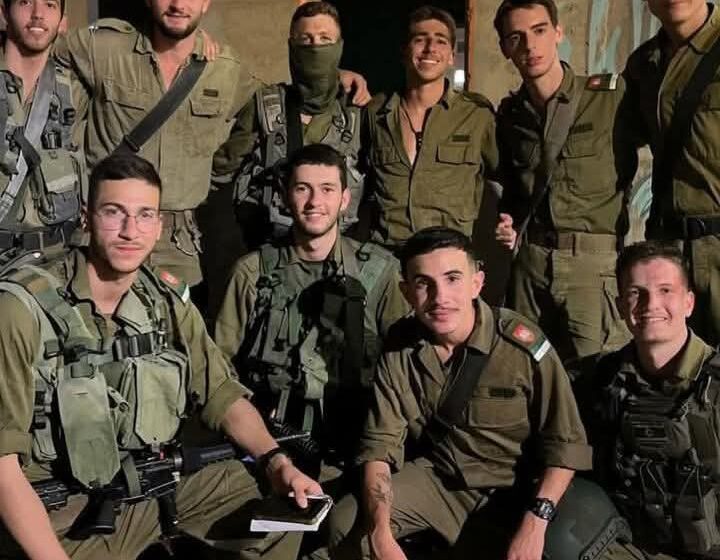
Several accounts shared a report claiming significant Israeli military casualties in southern Lebanon. Wasan Al-Shayakhli (Post Impact: 73%), citing Israeli Radio, stated that 10 soldiers from the Givati Brigade were killed by artillery fire in Bint Jbeil, with the user adding, “سلمت اياديكم” (“Bless your hands”). In a related context of the conflict, Rusly Al-Maliki (Post Impact: 14%) shared information from Al-Hadath news, claiming that Israel had killed hundreds of Hezbollah members by tracking their IP addresses during a Zoom meeting and striking their locations within 10 minutes.
2. Critiques of Iran’s Deceptive Political and Diplomatic Strategy
A dominant narrative criticized Iran’s political and diplomatic tactics as manipulative and duplicitous. Liqaa Maki (Post Impact: 100%) described Iranians as “artists at playing in gray areas,” accusing them of attacking with a missile while their foreign minister calls for talks, or threatening to boycott negotiations while simultaneously sending a delegation. He argued that Iran continues this behavior as long as there are people who believe them. Similarly, Faig Alsheakh Ali/Kalimati Lil-Tarikh (Post Impact: 47%) sarcastically questioned Iran’s proclaimed victory, asking where its regime and leaders are, suggesting they are in disarray and expressing hope that the Tishreen protest movement will ultimately triumph.
3. Comparison of Iranian and Iraqi Officials’ Lifestyles
A high-engagement post drew a sharp contrast between the perceived modesty of an Iranian official and the extravagance of Iraqi politicians. Dr. Hussein Al-Safi (Post Impact: 73%) shared a picture of what he claimed was Iranian Foreign Minister Abbas Araghchi’s car, valued at only $3,000, while noting his strong international presence. He contrasted this with Iraq’s foreign minister, whom he described as ineffective yet accompanied by a convoy of armored cars worth hundreds of thousands of dollars and a private jet. In a related vein, Ahmad Abdulsada (Post Impact: 11%) quoted a senior IRGC commander who blamed corrupt and lavish Iraqi Shia politicians for damaging Iran’s reputation in Iraq, noting the commander’s own simple lifestyle in contrast.
4. Hadi al-Amiri Expelled by Protestors in Nasiriyah
Numerous accounts reported that Hadi al-Amiri, a prominent political and paramilitary leader, was forcibly expelled from an event in Nasiriyah. Videos circulated showing chaos, with shoes being thrown at the stage and al-Amiri’s convoy fleeing. Ahmad Alwashah (Post Impact: 20%) and Dr. Ali Al-Jabiri (Post Impact: 15%) described the scene as a “humiliating escape.” Interpretations of the motive varied; Zaidon Sameer (Post Impact: 22%) claimed the crowd was angry that al-Amiri had not supported Iran strongly enough in the recent conflict, while Sufian Al-Samarrai (Post Impact: 15%) suggested the Iranian ambassador incited the incident because al-Amiri had “failed to support Iran.” Wikileaks Iraq (Post Impact: 17%) viewed it as a “public fall” signaling the end of his political legitimacy.
5. Political Stalemate over Election of Iraq’s President
The ongoing political deadlock regarding the election of key government positions was a significant topic. In a series of posts in Arabic, Kurdish, and English, Masoud Barzani (Post Impact: 31%) stated it is “unacceptable” for some parties in the Coordination Framework to push for the election of a president while the selection of a prime minister remains unresolved. He affirmed that no constitutional steps should be taken until both issues are settled simultaneously to ensure all parties participate. Echoing this sentiment, Mustafa Al-Dulaimi (Post Impact: 16%) stated there would be no passing of the presidency, asserting that the decision must come from the Kurdistan Region’s capital.
6. Iraqi Faction Claims Drone Attack on Kuwait
Reports emerged of a drone attack on Kuwait, with an Iraqi faction claiming responsibility. Haidar (Post Impact: 32%) posted a video statement from a group calling itself “Thar Shuhada al-Basra” (Revenge of Basra’s Martyrs), which claimed to have targeted the “Kuwait settlement” with drones. The same account later posted (Post Impact: 12%) about explosions in Kuwait and a statement confirming damage to National Guard facilities. Shaho Al-Qaradaghi (Post Impact: 8%) also shared the claim of responsibility from the armed faction.
7. Commemoration of Ali Khamenei in Istanbul
A pro-Iranian narrative highlighted a large gathering in Turkey in memory of Iran’s Supreme Leader. Haidar (Post Impact: 39%) shared a video showing thousands of people in Istanbul participating in a fortieth-day memorial ceremony (Arba’een) for Sayyid Ali Khamenei, whom he referred to as the leader of the Islamic Revolution in Iran. The post presents this event as a demonstration of significant regional support for the Iranian leadership.
8. Iran’s “Electronic Army” and Information Warfare Strategy
The topic of Iran’s sophisticated media and propaganda operations was analyzed in detail. Liqaa Maki (Post Impact: 31%) asserted that Iran skillfully prepared its propaganda for the war, centered around a large, organized “electronic army” with a significant Arabic-speaking component. He argued this army successfully promoted Iran’s narrative and attacked dissenters, even co-opting unwitting Arab elites and Gulf citizens. He contrasted this with what he described as a failed and disjointed Arab media response, where some Gulf-funded platforms even ended up promoting Iranian narratives against their own countries.
9. Saudi Arabia’s Military-Industrial Advancements
A post celebrated Saudi Arabia’s progress in developing its domestic military industry. Aayad Al Twfan (Post Impact: 18%) praised the kingdom as a “kingdom of glory and pride” for producing its own food, medicine, and weapons. The post highlighted the manufacturing of advanced drones by Saudi minds and hands, which it claims gives the Saudi army an advantage. It also noted the kingdom’s success in producing electronic chips as a sign that it has officially become a world-class industrial nation capable of manufacturing aircraft, cars, and missiles.
10. Alleged Sectarianism in Iraq’s Justice System
A strong sectarian narrative emerged criticizing Iraq’s judicial system as biased against Sunni Arabs. Sheikh Thaer Al-Bayati (Post Impact: 17%) claimed that “98% of convicted Arab Sunnis are innocent” and were prosecuted by a politicized and sectarian judiciary. He contrasted this with the alleged lenient treatment of Shia individuals who attack military bases and neighboring countries, who he says are merely treated as “outlaws.” He cited figures of hundreds of thousands of detainees, displaced persons, and individuals on security lists to argue that Iraq is not a state of institutions but a “sectarian terrorist system.”