2026-05-29: Shiite Leaders Release Coordinated Statements

Based on Miqrab AI’s analysis of 311 X / Twitter posts trending in Iraq on May 29, 2026, the online conversation was dominated by coordinated visual statements from prominent Shiite political and religious figures which generated the highest engagement. Other major narratives included widespread praise for Saudi Arabia’s management of the Hajj season and commendation for the Iraqi Hajj mission receiving an award for excellence. Significant attention was also given to international affairs, particularly reports of a potential agreement between the United States and Iran under former President Trump, which sparked extensive discussion. Domestically, users expressed alarm over rising water levels in major dams and rivers, while also circulating videos of anti-regime protests in neighboring Iran. Other key topics included concerns about the state of the Iraqi military, the unchecked influence of militias, calls to combat systemic corruption, and criticism of severe salary disparities within the public sector.
Table Of Content
- 1. Shiite Leaders Release Coordinated Statements
- 2. Praise for Hajj and Iraqi Mission Award
- 3. Speculation on a Potential US-Iran Agreement
- 4. Flood Concerns Rise as Dams Fill and Rivers Swell
- 5. Videos Circulate of Anti-Regime Protests in Iran
- 6. Cryptic Posts Question Fate of Iranian Leadership
- 7. Debate on Military Readiness and Militia Influence
- 8. Calls to Support Anti-Corruption Efforts
- 9. US Treasury Seizes Iranian Cryptocurrency Assets
- 10. Reports Highlight Extreme Salary Gaps in Iraq
Today’s Top 10 X (Twitter) Trends in Iraq:
1. Shiite Leaders Release Coordinated Statements
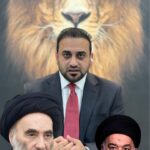
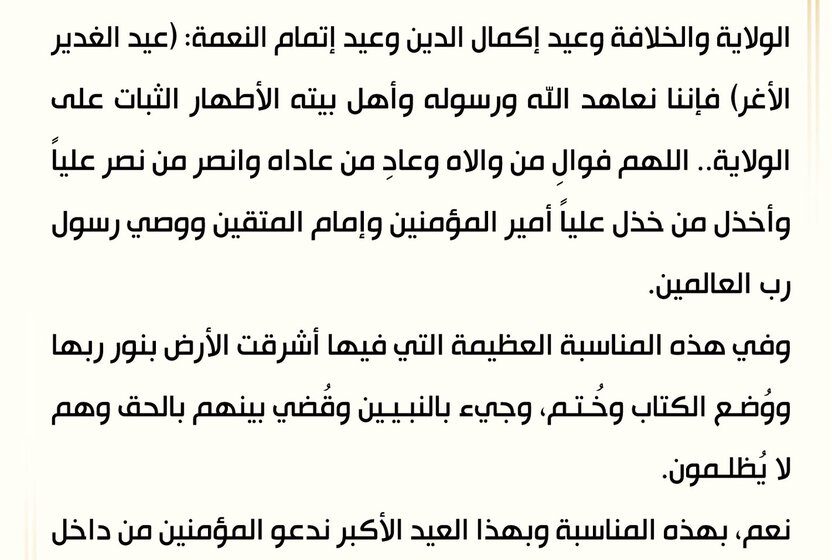
Top Iraqi Shiite leaders simultaneously published posts that generated massive engagement across the platform. The posts from Muqtada al-Sadr (Post Impact: 100%), Qais al-Khazali (Post Impact: 39%), and Saleh Mohammed al-Iraqi (Post Impact: 34%) consisted solely of links to images, presumably containing official statements or directives. While the specific content of these visual messages was not detailed in the text of the posts, their synchronized release and the high levels of interaction indicate a significant and coordinated communication effort aimed at their respective followers and the wider Iraqi public.
2. Praise for Hajj and Iraqi Mission Award
Multiple accounts celebrated the management of the 2026 Hajj season and the success of the Iraqi delegation. Maan Habib (Post Impact: 17%) praised the “organization, discipline, and facilities” in Saudi Arabia, calling it a “model managed with a future-oriented mentality.” Meanwhile, Hayder (Post Impact: 17%) and Ammar Al-Hakim (Post Impact: 2%) reported that Iraq’s Hajj mission won the “Labbaytum” award for the best Islamic Hajj mission for the fifth consecutive year. In a related video, Abu Maryam (Post Impact: 7%) shared a clip of an Iraqi pilgrim from Basra thanking the Saudi Minister of Transport for the service provided to the pilgrims.
3. Speculation on a Potential US-Iran Agreement
A potential agreement between the United States and Iran was a major topic of discussion, fueled by a lengthy statement attributed to former U.S. President Donald Trump. Rusly Al-Maliki (Post Impact: 4%) and Rafid Jaboori (Post Impact: 4%) both shared details of the alleged deal, which reportedly included Iran agreeing never to possess nuclear weapons and the immediate opening of the Strait of Hormuz in exchange for the lifting of the U.S. naval blockade. Abu Maryam (Post Impact: 2%) posted what he described as the first Iranian response, stating Trump’s remarks are “nothing but illusions” and that enriched materials are a “red line.” Citing the New York Times, Dr. Zaid Abdulwahab Al-Adhamy (Post Impact: 1%) later reported that a two-hour meeting at the White House ended without a final decision.
4. Flood Concerns Rise as Dams Fill and Rivers Swell
Accounts raised alarms about the potential for flooding due to rising water levels in Iraq’s dams and rivers. Rusly Al-Maliki (Post Impact: 11%) shared a photo of the Mosul Dam, stating it was almost completely full. In a subsequent post, Rusly Al-Maliki (Post Impact: 11%) warned that after the filling of the Mosul, Dokan, and Haditha dams, an “additional massive wave of water is coming from Syria on the Euphrates River” and could reach Iraqi towns within hours or days. Corroborating this, Abu Maryam (Post Impact: 3%) posted a video showing a “very strong flow of water coming from Turkey” that destroyed a safety fence on the Zakho corniche.
5. Videos Circulate of Anti-Regime Protests in Iran
Several posts shared videos allegedly showing widespread anti-regime demonstrations in Iran. Husam Altaee (Post Impact: 11%) posted a leaked video that he said showed the “extent of popular anger against the terrorist Iranian regime and the size of the demonstrations calling for its overthrow.” In another post, Husam Altaee (Post Impact: 6%) shared a video claiming the regime cut off electricity to peaceful protestors after they burned pictures of Khamenei. A third video posted by Husam Altaee (Post Impact: 2%) claimed to show thousands in the streets demanding the fall of the regime.
6. Cryptic Posts Question Fate of Iranian Leadership
A series of cryptic posts by Rusly Al-Maliki (Post Impact: 13%) spurred speculation about the fate of Iranian leaders. He alluded to a sequence of events, stating, “The first one’s funeral was overturned and he fell… The second was not buried for 90 days… So what will be the fate of the third?” In a more direct post, Rusly Al-Maliki (Post Impact: 6%) claimed, “90 days since the killing of Khamenei… and he has not been buried.” These posts, which garnered significant engagement, suggest a narrative of internal turmoil or hidden events within the Iranian leadership.
7. Debate on Military Readiness and Militia Influence
Users discussed the state of Iraq’s official military forces and the pervasive influence of militias. Citing a Forbes report, Rusly Al-Maliki (Post Impact: 4%) detailed the “deplorable state” of Iraq’s F-16 fleet, noting 16 jets are grounded due to a lack of maintenance after the withdrawal of American company Lockheed Martin. In a detailed post, Othman Al-Mokhtar (Post Impact: 4%) claimed that 27 economic offices belonging to militias like Asa’ib Ahl al-Haq and Babylon Brigades dominate over 70% of contracts in Nineveh and impose illegal taxes. Separately, Heba Al-Naib (Post Impact: 2%) highlighted the issue of “integrated officers” who allegedly receive salaries without working due to their militia affiliations.
8. Calls to Support Anti-Corruption Efforts
A number of accounts urged the new prime minister, Ali al-Zaidi, to take decisive action against corruption. Abu Maryam (Post Impact: 5%) praised the prime minister’s decision to support the Financial Audit Bureau, calling it the “first real building block in the fight against corruption” and suggesting that if its files were opened, “half of the current and former political class would be thrown in prison.” Similarly, Dr. Qusay Shafiq (Post Impact: 3%) encouraged the prime minister to open contracts from the previous government, claiming it could return 100 trillion Iraqi dinars to the state. Ezzat Alshabandar (Post Impact: 3%) warned that the “obscene wealth” of political leaders is the most dangerous threat to the country’s stability.
9. US Treasury Seizes Iranian Cryptocurrency Assets
News circulated that the United States government had taken action against Iranian financial assets. Both Dr. Zaid Abdulwahab Al-Adhamy (Post Impact: 2%) and Raad Hashim (Post Impact: 2%) posted breaking news alerts stating that the U.S. Treasury had seized Iranian cryptocurrency assets valued at one billion dollars. The posts did not provide further context on the reason for the seizure or its potential impact on U.S.-Iran relations, but the news was shared as a significant development.
10. Reports Highlight Extreme Salary Gaps in Iraq
Multiple accounts highlighted a report by economist Nabil Al-Marsoumi detailing vast inequalities in public sector salaries. Raad Hashim (Post Impact: 2%) and Abu Maryam (Post Impact: 2%) both quoted Al-Marsoumi’s findings that the gap between the lowest and highest-paid government employees reaches 3000%, with some earning 300,000 dinars while others receive 9 million dinars per month. Al-Marsoumi was quoted as saying these disparities reflect a “lack of social justice,” cause a “waste of public money,” and create a “climate conducive to the spread of corruption.“