2026-07-17: Escalating US-Iran Military Conflict and Regional Spillover

Based on an analysis of (522) X / Twitter posts trending on July 17, 2026, Miqrab AI identified several key narratives dominating online discourse in Iraq. The most prominent theme is the escalating military conflict between the United States and Iran, with multiple accounts sharing videos and reports of US strikes on Iranian infrastructure in the Strait of Hormuz and Iranian counter-attacks on US assets and regional allies like Kuwait. A parallel major narrative focuses on Iraqi Prime Minister Ali Al-Zaydi’s visit to Washington, which is being framed as a strategic pivot toward the U.S. through the signing of major economic and energy agreements, drawing both praise from American officials and sharp criticism from Iranian figures. Domestically, conversations revolve around persistent electricity shortages, high-level corruption cases, and ongoing security challenges, including cross-border smuggling and Iranian attacks on opposition groups within Iraqi territory.
Table Of Content
- 1. Escalating US-Iran Military Conflict and Regional Spillover
- 2. PM Al-Zaydi’s US Visit and New Strategic Agreements
- 3. Frustration Over Electricity Shortages and Official Corruption
- 4. Reports of Iranian Attacks on Kuwait
- 5. Cross-Border Smuggling of Weapons and Contraband
- 6. Outrage Over Defacement of Baghdad’s Freedom Monument
- 7. Iraq and Syria Sign Oil Pipeline Rehabilitation Deal
- 8. Iranian Attacks on Opposition Camps in Sulaymaniyah
- 9. Government’s Plan to Confine Weapons to the State
- 10. US Envoy Tom Barrack’s Vision for Iraq’s Regional Role
Today’s Top 10 X (Twitter) Trends in Iraq:
1. Escalating US-Iran Military Conflict and Regional Spillover
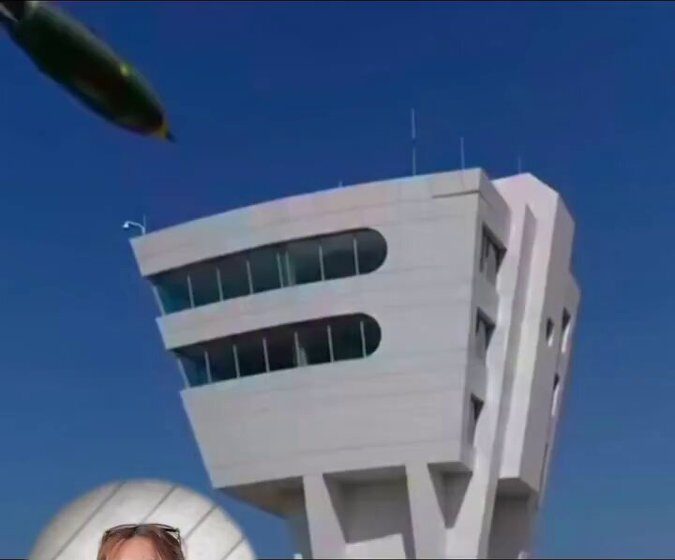
The most engaging topic is the escalating military confrontation between the United States and Iran. Accounts shared videos and reports of what they described as significant military actions. Mujtahid al-Iraq (Post Impact: 100%) celebrated the US destruction of an Iranian control tower in the Strait of Hormuz, taunting Iran with the Iraqi phrase “when the camel falls, the knives come out.” Conversely, Ahmad Abdulsada (Post Impact: 48%) shared a video of what he called an “exceptional scene of a blessed Iranian ballistic missile” striking the US Fifth Fleet headquarters in Bahrain after allegedly evading American interceptors. Other accounts, including David Yassin (Post Impact: 34%) and Rusly Al-Maliki (Post Impact: 23%), provided analysis and updates, noting that Washington was reinforcing its air bridge to Israel in preparation for a wider war and that US operations aimed to paralyze the IRGC’s command and control systems around the strait.
2. PM Al-Zaydi’s US Visit and New Strategic Agreements
Prime Minister Ali Al-Zaydi’s visit to Washington and the announcement of new strategic agreements generated significant discussion about Iraq’s foreign policy direction. Abu Maryam (Post Impact: 41%) posted a video of Al-Zaydi telling American companies they would receive contracts within “one day” and that “Iraq is your second country.” This perceived pivot to the US was praised by American officials, with Hayder (Post Impact: 35%) quoting US envoy Tom Barrack describing Al-Zaydi as “young, bold, and a visionary.” However, the visit drew sharp criticism from Iran. Salim Al-Jumaili (Post Impact: 18%) and Ali Wajeeh (Post Impact: 14%) cited Iranian official Ali Akbar Velayati, who called the visit a “disgrace and a blow to Iraq’s dignity,” prompting Iraqi commentators to assert that Iraq’s national interest is determined by Iraqis alone.
3. Frustration Over Electricity Shortages and Official Corruption
Persistent domestic issues, particularly electricity shortages and corruption, remain a major source of public anger. Salim Al-Jumaili (Post Impact: 42%) shared a video of a citizen angrily demanding electricity, a sentiment echoed by Salam Al-Hussaini (Post Impact: 9%) who noted power cuts lasting over six hours in July. This was compounded by news from Rusly Al-Maliki (Post Impact: 29%) that Iraq had lost 1,400 MW of power due to Iranian shelling of the Kurdistan region. At the same time, a major corruption case involving the Undersecretary of the Ministry of Oil, Adnan al-Jumaili, was widely discussed. Ahmed Al-Zayadi (Post Impact: 23%) criticized the official’s incompetence, while Dr. Haitham Almayahi (Post Impact: 18%) reported that Iraqi judiciary had seized 19 million dollars and 4 kg of gold in the case.
4. Reports of Iranian Attacks on Kuwait
Tensions between Iran and Kuwait were a prominent topic, with multiple accounts reporting on alleged Iranian attacks. Hayder (Post Impact: 38%) shared a video clip that was trending in “Kuwaiti Time” and also reported on Kuwaiti statements about the destruction of a power and water desalination plant following an Iranian missile and drone attack. Another post from Hayder (Post Impact: 11%) cited a Kuwaiti statement announcing injuries among its land forces personnel from the attack. The escalating situation was also highlighted by Raad Hashim (Post Impact: 29%), who posted a video of an Iranian guest withdrawing from a TV interview after a Kuwaiti participant declared him “wanted for trial in Kuwait.”
5. Cross-Border Smuggling of Weapons and Contraband
Iraq’s porous borders and the issue of smuggling to neighboring countries were a significant concern. Rusly Al-Maliki (Post Impact: 36%) expressed alarm over recent incidents, noting, “In two days, smuggling of weapons and tobacco to Syria.. and smuggling of drugs to Saudi Arabia.” The issue of weapons smuggling to Syria was also raised by Sajad Al-Jubori (Post Impact: 35%), who speculated on the massive outcry that would have occurred if the arms shipment had been entering Iraq from Syria instead. Further details were provided by Shaho Al-Qaradaghi (Post Impact: 15%), who cited Syrian Customs’ announcement of thwarting attempts to smuggle large quantities of cigarettes hidden in tankers coming from Iraq.
6. Outrage Over Defacement of Baghdad’s Freedom Monument
There was significant discussion and condemnation regarding the defacement of the Freedom Monument in Baghdad with images of Iran’s Supreme Leader. Ahmed Falah (Post Impact: 35%) posted a picture of the monument, asking, “When will this filth that has distorted one of the most important artistic and national symbols in Baghdad be removed?” In a more cynical take, Rusly Al-Maliki (Post Impact: 29%) stated he was “happy” about the images and wished for a statue of Khamenei to be built in Baghdad, so that its eventual toppling could be celebrated as a “symbolic historical expression,” similar to the fall of Saddam Hussein’s statue, and would bear witness to the “treason” of those who promoted foreign symbols in Iraq’s capital.
7. Iraq and Syria Sign Oil Pipeline Rehabilitation Deal
Several pages reported on a significant energy agreement between Iraq and Syria to rehabilitate a major oil pipeline. Diyar Kurda (Post Impact: 21%) reported that Iraq and Syria signed a cooperation agreement to reconstruct the crude oil pipeline, with the CEO of Basra Oil Company signing for Iraq. Ali Farhan (Post Impact: 17%) added that the American company Chevron is expected to implement the project. Hayder (Post Impact: 11%) shared a US statement welcoming the move, which aims to restore a “critical energy corridor linking Iraqi oil production to export markets in the Mediterranean and beyond” and framing it as a milestone for the region.
8. Iranian Attacks on Opposition Camps in Sulaymaniyah
Reports of Iranian military action inside Iraqi territory, specifically targeting opposition groups in the Sulaymaniyah governorate, were shared across multiple accounts. Hayder (Post Impact: 15%) posted a video of large explosions following an Iranian attack on Kurdish opposition camps, stating that an ammunition depot was hit, causing rockets and munitions to fly into the surrounding area. Dr. Hussein Al-Safi (Post Impact: 13%) also shared an image of the aftermath, noting that a fire was still burning in the weapons depots. Yasser Eljuboori (Post Impact: 11%) shared a video of the explosions, using the event to argue against those who want Iraq to be hostile to America, suggesting such a path would lead to this kind of instability.
9. Government’s Plan to Confine Weapons to the State
The Iraqi government’s declared intention to consolidate control over all weapons in the country was a key topic of discussion. Ali Farhan (Post Impact: 22%) posted a video with the caption, “Work has begun for Iraq to have: One decision, one army, one head.” Hayder (Post Impact: 19%) quoted Foreign Minister Fuad Hussein confirming that the process of factions handing over their weapons has already begun. However, he questioned whether this process would include the Peshmerga militias, which he described as a threat to the state’s unity. Hiba Alnnayib (Post Impact: 10%) also commented on the beginning of work for an “Iraq without Iranized factions and with only one army.”
10. US Envoy Tom Barrack’s Vision for Iraq’s Regional Role
The statements of US presidential envoy Tom Barrack outlining a new strategic role for Iraq in the region were widely circulated. Hayder (Post Impact: 9%) and Rusly Al-Maliki (Post Impact: 13%) both summarized Barrack’s remarks from the US-Iraq Business Summit, where he stated that Iraq is poised to lead a new security and strategic alliance connecting the Gulf, the Levant, Turkey, and Egypt. This vision includes creating a new land-based trade corridor that would make the Strait of Hormuz “much less important” in the near future. This initiative, according to Barrack, would be led by American companies with a market value of nearly a trillion dollars, supporting the economic direction of the Iraqi government.

