2026-08-06: Factions Threaten Saudi Arabia, Baghdad on High Alert

Based on Miqrab AI’s analysis of 446 X / Twitter posts trending in Iraq on August 6, 2026, the primary narrative revolves around escalating regional tensions, particularly between Iraqi armed factions and Saudi Arabia. This is forcing a major domestic response from the Iraqi government, which has raised its military alert level and deployed forces in Baghdad to prevent unauthorized attacks and assert state control over armed groups. Discussions about the necessity and difficulty of disarming militias by a September deadline are prevalent, with support voiced by key political figures. Concurrent topics include the spillover effects of the Yemen conflict, criticism of foreign influence from both Gulf states and Iran, and domestic issues such as the plight of displaced populations and disputes over natural resources between Baghdad and the Kurdistan Regional Government.
Table Of Content
- 1. Factions Threaten Saudi Arabia, Baghdad on High Alert
- 2. Heightened Security and Military Deployments in Baghdad
- 3. Disarming Militias and the State’s Monopoly on Weapons
- 4. Houthi Attacks on Saudi-Backed Forces in Yemen
- 5. Debates on Foreign Influence and Hypocrisy
- 6. The Plight of Displaced People from Jurf al-Sakhr
- 7. Criticism of “Wilai” (Pro-Iran) Factions and Supporters
- 8. Concerns Over Foreign Nationals in Najaf and Karbala
- 9. KRG Disputes Unilateral Gas Supply to Federal Iraq
- 10. Russian Military Successes in Ukraine and US Military Stockpiles
Today’s Top 10 X (Twitter) Trends in Iraq:
1. Factions Threaten Saudi Arabia, Baghdad on High Alert
A major escalation is being reported, with multiple accounts claiming that Iraqi armed factions are preparing to attack Saudi Arabia with drones. According to Dr. Hussein Al-Safi (Post Impact: 100%), the United States warned Saudi Arabia, which in turn urged the Iraqi government to prevent the attack, leading Baghdad to declare a high state of alert (“Inthar C”). Hisham Ali (Post Impact: 30%) adds that Prime Minister Ali Al-Zaydi informed political leaders of the threat and requested a mandate to confront it, receiving assurances that he already possesses the necessary constitutional powers. Meanwhile, Rusly Al-Maliki (Post Impact: 25%) reports that the factions have “temporarily” frozen their decision to retaliate, demanding an official apology and financial compensation from Saudi Arabia for a previous strike.
2. Heightened Security and Military Deployments in Baghdad
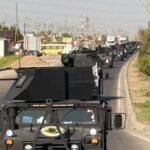
In response to the rising tensions, the Iraqi government has significantly increased its security posture. The Counter-Terrorism Service (ICTS) (Post Impact: 40%) officially announced that, by order of the Commander-in-Chief, the readiness level of all security and military forces has been raised. This involves training exercises and troop movements to enhance preparedness. Numerous accounts, including Rusly Al-Maliki (Post Impact: 17%) and Abu Maryam (Post Impact: 12%), shared images and reports of heavy deployments of ICTS, Federal Police, and army units in and around Baghdad. Some posts by accounts like Abu Maryam (Post Impact: 22%) also made unconfirmed claims about the participation of French forces in preparations for major operations.
3. Disarming Militias and the State’s Monopoly on Weapons
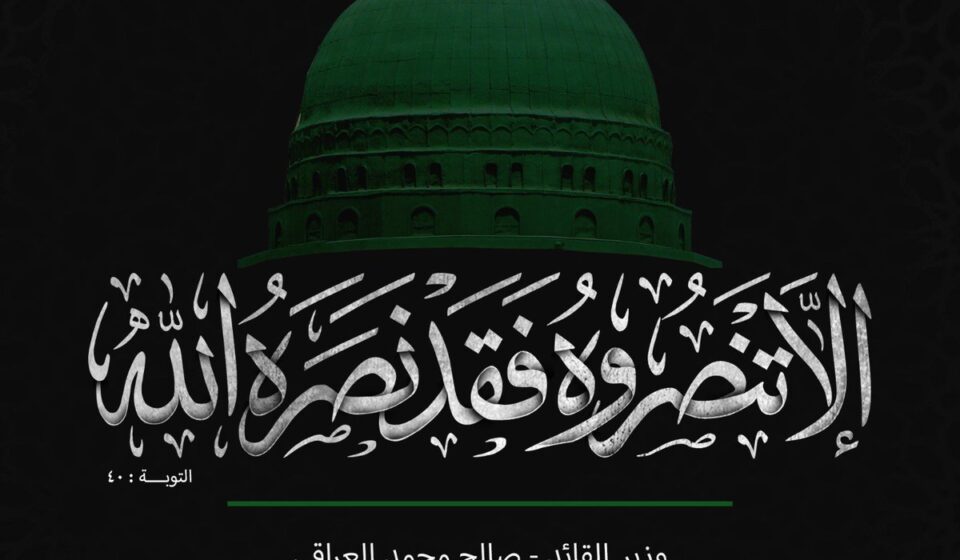
The standoff with factions has intensified the debate on disarming militias and establishing the state’s exclusive control over weapons. Liqaa Maki (Post Impact: 38%) analyzes this task as “arduous, dangerous, and with no guaranteed results,” noting its potential to severely diminish Iranian influence in the region. Former Prime Minister Mustafa Al-Kadhimi (Post Impact: 15%) and KRG President Nechirvan Barzani (Post Impact: 11%) both publicly welcomed the State Administration Coalition’s position to support the government’s efforts. Omar Al-Janabi (Post Impact: 22%) stated that if Prime Minister Al-Zaydi succeeds, “all the people will be pleased with him, except for a percentage of less than 1%, who are the followers of the armed militias.” The powerful Sadrist-affiliated account Minister of the Leader – Saleh Muhammad Al-Iraqi (Post Impact: 91%) also weighed in by posting an image of Muqtada al-Sadr, signaling the movement’s close watch on the developments.
4. Houthi Attacks on Saudi-Backed Forces in Yemen
Parallel to the Iraq-Saudi tensions, a significant military event unfolded in Yemen. Pro-Houthi accounts like Issam Hussein (Post Impact: 21%) and Haydar (Post Impact: 21%) reported that Houthi forces launched a major missile and drone attack on Saudi-backed mercenary camps in Hadramout and Ma’rib, resulting in the deaths of over 45-50 fighters, including Saudi officers. An official statement from Ansar Allah, shared by Haydar (Post Impact: 11%), framed the operation as a pre-emptive strike against a large-scale Saudi military buildup aimed at escalating the conflict. These accounts celebrate the attack and claim it has shocked Saudi Arabia, which is now “crying and wailing on Al Arabiya channel.”
5. Debates on Foreign Influence and Hypocrisy
The regional crisis sparked a wider conversation about foreign influence in Iraq and the Middle East. Adnan Al-Taie (Post Impact: 37%) questioned why the role of Syrian President Bashar al-Assad in establishing camps for suicide bombers who attacked Iraq is overlooked, suggesting a selective focus on blame. On the other side, Dr. Hussein Al-Safi (Post Impact: 20%) accused Gulf media of hypocrisy, arguing that while they portray Iran as a sponsor of militias, countries like the UAE and Saudi Arabia are heavily involved in supporting armed groups in Sudan, Yemen, Libya, and Syria, and also alleged that Saudi Arabia sent 5,000 suicide bombers to Iraq.
6. The Plight of Displaced People from Jurf al-Sakhr
Amidst the high-level political and military maneuvering, the humanitarian crisis of internally displaced persons was highlighted. Othman Al-Mukhtar (Post Impact: 30%) posted a video from a desert camp for displaced families from Jurf al-Sakhr and Al-Awaisat, questioning the morality of “feeding millions of Iranians, Pakistanis, and Afghans for free while you displace hundreds of thousands of your own country’s people.” This narrative was complemented by a post from Rusly Al-Maliki (Post Impact: 33%), who shared circulating reports that factions have received messages ordering them to evacuate seven areas they control, including Jurf al-Sakhr, and hand them over to the Iraqi Army and Counter-Terrorism Service.
7. Criticism of “Wilai” (Pro-Iran) Factions and Supporters
A strong anti-factional sentiment was visible in several high-engagement posts. Rusly Al-Maliki (Post Impact: 34%) mocked what he calls “Wilai” (loyalist) media and supporters for their outrage over a 30-second salute, suggesting their reaction was disproportionate and that they ignored more significant events like a visit by militia leader Abu Alaa Al-Walai to Karbala. In another post, Rusly Al-Maliki (Post Impact: 34%) shared a video of a pro-faction individual, claiming that in an attempt to produce a video condemning Saudi Arabia, the person ended up incriminating themselves, highlighting what he describes as their “terrible and horrific levels of intelligence.”
8. Concerns Over Foreign Nationals in Najaf and Karbala
The presence of a large number of foreign nationals in Iraq’s holy cities has become a topic of concern for some social media users. Sheikh Thaer Al-Bayati (Post Impact: 21%) directly addressed the Prime Minister, questioning the legal status of an alleged 15,000 Afghans and 50,000 Pakistanis in Najaf and Karbala and asking who brought them into the country. He warned that “Iraq’s security is not an area for ambiguity.” Adding to these concerns, Mohamed Almaroof (Post Impact: 11%) shared unconfirmed reports that the Iranian government sent text messages to its citizens in Iraq, urging them to leave within 24 hours due to an expected “serious and imminent security escalation.”
9. KRG Disputes Unilateral Gas Supply to Federal Iraq
Tensions between the Kurdistan Regional Government (KRG) and Baghdad resurfaced over energy resources. The Kurdistan Regional Government (Post Impact: 7%) issued an official statement condemning energy companies Crescent Petroleum and Dana Gas for unilaterally starting to supply natural gas from the Khor Mor field to federal Iraq’s Ministry of Electricity. The KRG stated this was done without its consent and constituted a breach of their contractual obligations. The account Haydar (Post Impact: 7%) also shared the statement, which emphasized that while the KRG supports supplying energy to all of Iraq, it must be done with its approval as the contracting party. The KRG is now reviewing its legal options.
10. Russian Military Successes in Ukraine and US Military Stockpiles
A military analysis post by Aayad Al-Twfan (Post Impact: 18%) shifted focus to the war in Ukraine and its implications for the Middle East. The account claims that Russia successfully launched 48 missiles at Ukrainian targets without interception because Ukraine’s air defense systems, particularly the Patriot, have run out of ammunition. The author links this to US strategic stockpiles being depleted by supplying Ukraine and allies in the Middle East, including during the recent regional wars. The post concludes that the real reason for delaying a major US attack on Iran is the need to replenish these missile defense systems, not to give diplomacy a chance.