2026-09-25: Iraq’s Ban on Iranian Flights Sparks Heated Debate

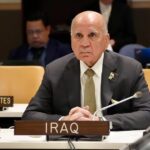
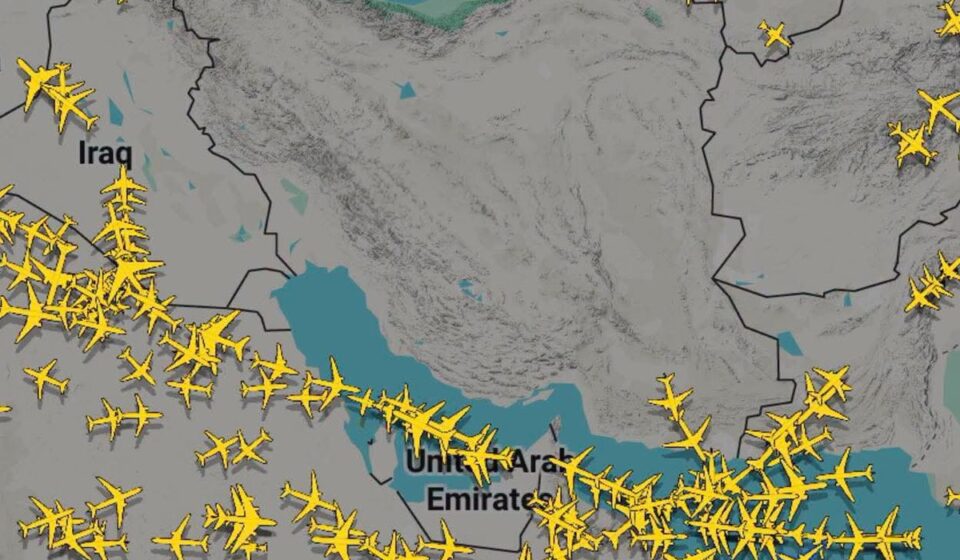
Based on an analysis of 530 X / Twitter posts by Miqrab AI on September 25, 2026, the dominant narrative in Iraq revolves around the government’s decision to close its airspace to Iranian flights in compliance with U.S. sanctions. This has sparked a deeply polarized debate, with accounts either defending the move as a necessary assertion of Iraqi sovereignty and national interest or condemning it as a betrayal of a key ally and submission to American pressure. Pro-Iran factions have threatened protests, while critics recall Iran’s own past enforcement of sanctions against Iraq. Secondary themes include the anniversary of the Kurdistan independence referendum, which was commemorated by Kurdish leaders, and Iraqi Prime Minister Ali al-Zaydi’s address at the UN, where he emphasized Iraqi sovereignty and economic diversification.
Table Of Content
- 1. Iraq’s Ban on Iranian Flights Sparks Heated Debate
- 2. Kurdish Leaders Commemorate Referendum Anniversary
- 3. Akram al-Kabi Threatens Protests Over Flight Ban
- 4. Man Protests at Imam Reza Shrine in Iran
- 5. Iraqi PM Ali al-Zaydi Addresses UN General Assembly
- 6. Iran’s Past Embargo on Iraq Recalled Amidst Current Crisis
- 7. Iraqi Tribe Reportedly Rescues Ship from Somali Pirates
- 8. Signs of Saudi-Iranian Rapprochement Amidst Tensions
- 9. Iraq Turns to Syria for Fuel Imports Amid Hormuz Blockade
- 10. Melania Trump’s Handshake Snub of Chinese President Trends
Today’s Top 10 X (Twitter) Trends in Iraq:
1. Iraq’s Ban on Iranian Flights Sparks Heated Debate
The most significant topic is Iraq’s decision to close its airports to Iranian flights, sparking a major debate. Former Prime Minister Adil Abd AlMahdi (Post Impact: 50%) called the move a “big mistake.. and a waiver of national sovereignty.” In contrast, accounts like Ali Farhan (Post Impact: 17%) criticized those defending Iran, questioning their silence when Iran closed the Strait of Hormuz to Iraqi oil, which he says brought the country to the brink of bankruptcy. Rusly Al-Maliki (Post Impact: 35%) shared an image of an empty Iranian sky, noting no planes were entering or leaving. Analyst Liqaa Maki (Post Impact: 31%) argued that while Iran has effective military capabilities, it failed to build defenses against the US economic attack, and its threats against regional countries are counterproductive. The decision’s economic impact was highlighted, with Al-Maliki citing government sources that Iran’s closure of Hormuz cost Iraq $60 billion so far.
2. Kurdish Leaders Commemorate Referendum Anniversary
Kurdish leaders commemorated the anniversary of the 2017 independence referendum. Masoud Barzani (Post Impact: 85%) described the event as “A vote for history, a memory for generations.” Similarly, Masrour Barzani (Post Impact: 35%) celebrated the “anniversary of the victory of the people’s will.” Diyar Kurda (Post Impact: 8%) recalled that the referendum saw 92.7% vote in favor of independence, calling it a “defining moment in modern Kurdish political history.”
3. Akram al-Kabi Threatens Protests Over Flight Ban
In response to the flight ban, Akram al-Kabi, leader of the Harakat Hezbollah al-Nujaba militia, issued a threat of escalation. As reported by accounts like Haydar (Post Impact: 14%) and Shaho Al-Qaradaghi (Post Impact: 9%), al-Kabi warned that if flights with Iran are not resumed, he would call on the Iraqi people and religious processions to stage sit-ins at Iraqi airports “until the unjust American decision is broken.” Rusly Al-Maliki (Post Impact: 12%) also reported on al-Kabi’s call for his followers to protest at the airports.
4. Man Protests at Imam Reza Shrine in Iran
A widely shared video, posted by Noor – Um Omar (Post Impact: 100%), shows a man in Mashhad, Iran, protesting at the Imam Reza shrine. The post explains the man had donated 100 million toman for his wife’s recovery. After she passed away, he climbed onto the shrine and demanded his money back, refusing to come down. The account interprets the incident as an “example of the ignorance of some people and their misunderstanding of the concept of turning to dead Imams who have no power.”
5. Iraqi PM Ali al-Zaydi Addresses UN General Assembly
Iraqi Prime Minister Ali al-Zaydi’s speech at the 81st session of the UN General Assembly was a key topic. The Prime Minister’s Media Office (Post Impact: 10%) shared key points, including the government’s priorities to ensure the state has sole control over arms and decisions of war and peace. As reported by Haydar (Post Impact: 13%) and Ahmed Al-Thawaq (Post Impact: 8%), the Prime Minister referenced the Code of Hammurabi, stating that laws were made to prevent the strong from oppressing the weak, but “in today’s world, we find the weak are oppressed because the law of the strong rules, not the strength of the law.”
6. Iran’s Past Embargo on Iraq Recalled Amidst Current Crisis
Several users brought up historical context to counter pro-Iran arguments for solidarity. Rusly Al-Maliki (Post Impact: 14%) shared a 1990 article in which Iran’s then-Foreign Minister Ali Akbar Velayati told the UN that Iran was committed to the international embargo on Iraq and had arrested 29 people for trying to smuggle food into the country. Steven Nabil (Post Impact: 14%) also referenced this history, questioning why pro-Iran voices forget that Iran previously enforced a blockade on a majority-Shia Iraq.
7. Iraqi Tribe Reportedly Rescues Ship from Somali Pirates
A notable story of non-state action emerged about an Iraqi tribe taking matters into their own hands. Accounts like Haydar (Post Impact: 18%) and Raad Hashim (Post Impact: 6%) reported that the Al-Shaghanba tribe announced it had freed a ship belonging to one of its members that was captured by Somali pirates. After coordinating with the Somali government, tribal members reportedly confronted the pirates in a five-hour battle, resulting in several pirates killed and others captured.
8. Signs of Saudi-Iranian Rapprochement Amidst Tensions
Amidst the high tensions with the US, some accounts highlighted signs of rapprochement between Iran and Saudi Arabia. Mustafa Al-Dulaimi (Post Impact: 38%) posted a video showing Iranians standing for the Saudi national anthem, clapping, and cutting a cake at an event. In another post, Al-Dulaimi (Post Impact: 8%) reported on the Saudi embassy’s National Day celebration in Tehran, which was attended by the Iranian president’s assistant and other senior officials, suggesting a complex diplomatic landscape.
9. Iraq Turns to Syria for Fuel Imports Amid Hormuz Blockade
As a direct consequence of Iran’s closure of the Strait of Hormuz, reports indicate Iraq is diversifying its import routes. Shaho Al-Qaradaghi (Post Impact: 8%) and Dr. Zaid Abdulwahab Al-Adhami (Post Impact: 7%) cited Reuters, stating that Iraq is now importing gasoline through Syrian ports. Mustafa Al-Dulaimi (Post Impact: 17%) noted that Syria has opened its ports and borders to facilitate Iraqi oil exports and gasoline imports “without obstacles or extortion.”
10. Melania Trump’s Handshake Snub of Chinese President Trends
An observation from U.S. diplomatic engagements also trended. The account Mujtahid al-Iraq (Post Impact: 39%) posted a video of President Trump and Chinese President Xi Jinping, noting that Melania Trump appeared to refuse to shake President Xi’s hand despite him stepping towards her. The user speculates on the meaning of this gesture, comparing it to a practice used by Muslim women to avoid handshakes with strangers and asking, “Is there an explanation?”