2025-10-16: Tensions Escalate Between Iraqi and Saudi Football Fans Ahead of Match

Based on an analysis of 472 X / Twitter posts trending in Iraq on October 16, 2025, Miqrab AI identified several key narratives dominating online discourse. The most prominent theme is the escalating tension between Iraqi and Saudi football fans ahead of a major match, fueled by allegations of sectarian insults and mistreatment. Domestic politics is another major focus, with significant discussion surrounding the assassination of an electoral candidate, the judicial reinstatement of another, and widespread criticism of the sectarian rhetoric used in ongoing political campaigns. Conversations also revolve around accusations of hypocrisy and deception by pro-militia groups following political violence, debates over historical figures, and the continued displacement of residents from areas like Jurf al-Sakhr.
Table Of Content
- 1. Tensions Escalate Between Iraqi and Saudi Football Fans Ahead of Match
- 2. Sectarian Commentary and Calls to Remove Historical Statue
- 3. Faiq Al-Sheikh Ali Confronts Al-Ahed TV and Decries Online Misinformation
- 4. Criticism of Sectarian and Divisive Electoral Campaign Rhetoric
- 5. Judiciary Reinstates Candidate Sajjad Salem in Elections
- 6. Assassination of Candidate Safaa al-Mashhadani Sparks Accusations
- 7. Debates Over Continued Displacement of Jurf al-Sakhr Residents
- 8. Iraqi Commentators React to Iranian President’s Economic Critique
- 9. Death of Houthi Commander Al-Ghamari and Condolences from Iraqi Militia
- 10. Accusations of Deception by Pro-Militia Accounts Following Assassinations
Today’s Top 10 X (Twitter) Trends in Iraq:
1. Tensions Escalate Between Iraqi and Saudi Football Fans Ahead of Match
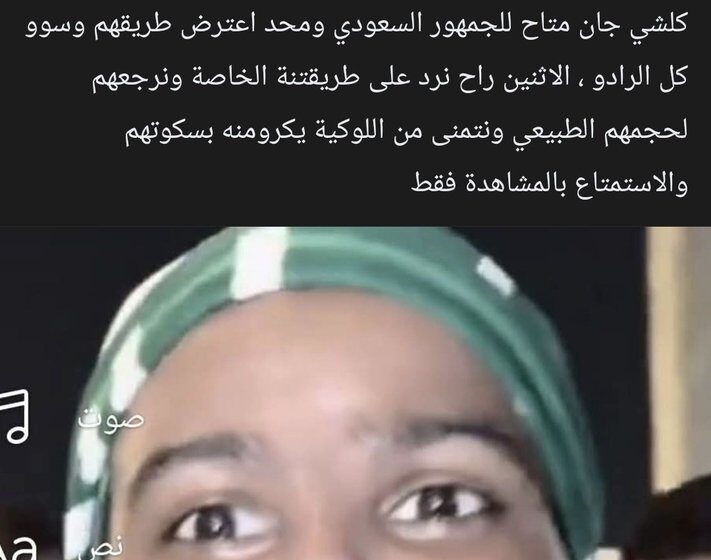
Tensions are running high ahead of an upcoming football match in Baghdad between Iraqi club Al-Shorta and Saudi club Al-Ittihad, with Iraqi fans planning retaliation for perceived mistreatment during a previous game in Saudi Arabia. According to posts by Haidar (Post Impact: 46%) and Wasan Al-Shaikhli (Post Impact: 29%), Iraqi fans were subjected to sectarian chants against the city of Karbala, placed in the highest tier of the stadium, and attacked in Jeddah. In response, Iraqi supporters are reportedly preparing “to respond in kind” with large quantities of whistles and “Shiite chants that will shake the stadium.” Citing Shafaq News, Haidar (Post Impact: 47%) also reports that the management of Al-Shorta has decided not to officially receive the Al-Ittihad delegation. Wasan Al-Shaikhli (Post Impact: 13%) adds that the club’s management is demanding an official apology from Al-Ittihad for the insults against Karbala before any reception will be considered.
2. Sectarian Commentary and Calls to Remove Historical Statue
A prominent theme across multiple high-engagement posts involves sectarian discourse and historical grievances. Hassan Alkaaebi (Post Impact: 23%) described the statue of Abbasid Caliph Harun al-Rashid in Baghdad’s Kadhimiya district as “visual pollution” and an “insult to history,” stating that its removal is a “popular demand.” Separately, Mujahid al-Taie (Post Impact: 9%) criticized politician Aras Habib for a sectarian statement questioning why Shiites are being held accountable for 20 years of rule when Sunnis ruled for 800 years. This sentiment of division was also highlighted by Wasan Al-Shaikhli (Post Impact: 8%), who expressed frustration that Iraq’s friendly gestures toward neighboring Arab countries like Saudi Arabia and Jordan are met with insults, leading to a rejection of the concept of “Arab depth.”
3. Faiq Al-Sheikh Ali Confronts Al-Ahed TV and Decries Online Misinformation
Political figure Faiq Al-Sheikh Ali was highly active, issuing a stern warning to Al-Ahed TV and condemning the spread of fake news on X. In a highly-engaged post, he directly addressed the channel over what he called “deliberate insults,” threatening, “I swear to God, if I just turn my attention to you, I will make you miss the days when I exposed the history of your imam, your prophet, and your god, the chick Khamenei. Be polite and know your limits.” (Post Impact: 22%). In other posts, he lamented the prevalence of misinformation, citing multiple false reports about the deaths of public figures, including MP Hassan Salem, Dr. Ahmed Al-Kubaisi, and even Iran’s Ali Khamenei. Frustrated by the “films, stories, and novels,” Al-Sheikh Ali announced he has begun blocking any user who shares fake news on the platform (Post Impact: 14%; Post Impact: 12%).
4. Criticism of Sectarian and Divisive Electoral Campaign Rhetoric
Several commentators are critiquing the inflammatory and sectarian nature of ongoing electoral campaigns. Tamara Alkhazraji (Post Impact: 19%) mocked a candidate whose campaign message was: “Elect me because Jolani is normalizing with Israel, so they don’t come and slaughter him like Imam Hussein.” Similarly, Rusly Al-Maliki (Post Impact: 12%) asserted that Ammar al-Hakim’s campaign is the most sectarian in its messaging so far. Former official Hoshyar Zebari (Post Impact: 5%) pointed out the contradictory nature of slogans from competing blocs, questioning how a “civil, democratic, constitutional state” could be built on such foundations, citing slogans that imply religious or ethnic supremacy.
5. Judiciary Reinstates Candidate Sajjad Salem in Elections
The judiciary’s decision to overturn the Electoral Commission’s disqualification of candidate Sajjad Salem, thereby allowing him to re-enter the electoral race, was widely reported and discussed. Faiq Al-Sheikh Ali/My Word for History (Post Impact: 17%) announced the news while criticizing the commission, stating, “You’ve made it tasteless!” Accounts such as Dr. Zaid Abdulwahab Al-Azami (Post Impact: 6%) and Ali Farhan (Post Impact: 5%) also shared the update. Commentator Hussam Alhaj (Post Impact: 5%) praised the judicial ruling as “historic,” arguing that it protected freedom of expression from attempts at political exclusion.
6. Assassination of Candidate Safaa al-Mashhadani Sparks Accusations
The assassination of Safaa al-Mashhadani, a candidate for the Baghdad Provincial Council, has triggered a wave of condemnation and accusations online, with many linking the killing directly to the elections. Shaho Al-Qaradaghi (Post Impact: 4%) reported that Mashhadani’s supporters told Khamis al-Khanjar they would “complete Safaa’s path” with stronger trust in the state. Dr. Qusay Shafiq (Post Impact: 7%) criticized Prime Minister Al-Sudani for honoring a singer on the morning of the assassination instead of personally overseeing the investigation. The assassination also fueled suspicion, with bahaa khaleel Bahaa khaleel (Post Impact: 8%) suggesting a pattern of perpetrators feigning grief, stating, “when you see a loyalist mourning a Sunni, know that they are the ones who killed him.”
7. Debates Over Continued Displacement of Jurf al-Sakhr Residents
The long-standing issue of the displaced residents of Jurf al-Sakhr continues to be a topic of debate, with new allegations about who is responsible for preventing their return. Othman Al-Mokhtar (Post Impact: 6%) claims that, contrary to common belief, Iran is no longer the main obstacle. He alleges that Mohammed Reda al-Sistani is the one who refuses their return, supported by militias, under the pretext of securing pilgrim routes to Karbala and Najaf, and that Iraqi politicians are too afraid to name him publicly. In a different context, Ahmad Abdulsada (Post Impact: 9%) shared a past video in which he advocated for replicating the “Jurf al-Sakhr experience” in the Tarmiyah area, highlighting the contentious nature of the security strategy employed there.
8. Iraqi Commentators React to Iranian President’s Economic Critique
A statement by Iranian President Masoud Pezeshkian criticizing his own country’s economic management resonated with Iraqi social media users, who drew parallels to their own situation. Shaho Al-Qaradaghi (Post Impact: 8%) quoted the Iranian president as saying, “We sleep on gold, but we are hungry, and our officials are to blame, not America.” The same post noted Pezeshkian’s dissatisfaction with the state of education in Iran compared to neighboring countries. Commenting on the news, Prof. Dr. Ghalib Al-Da’mi (Post Impact: 3%) agreed, stating, “Our situation in Iraq is the same as your country’s, Mr. President, and it seems you are the most logical in stating the reality.”
9. Death of Houthi Commander Al-Ghamari and Condolences from Iraqi Militia
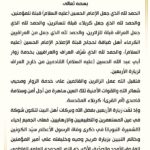
News of the death of a senior Houthi commander in Yemen prompted reactions from Iraqi accounts, including a formal statement from an Iraqi militia. Both Sabereen News (Post Impact: 4%) and Rusly Al-Maliki (Post Impact: 4%) reported that the Yemeni Armed Forces announced the death of Major General Mohammed Abdul Karim Al-Ghamari, their Chief of Staff, who was killed in a previous Israeli strike. Al-Maliki noted that Al-Ghamari was considered the second-in-command of the Houthi group. Following the announcement, Sabereen News also published a condolence message from Haj Abu Hussein al-Hamidawi, the Secretary-General of Iraq’s Kata’ib Hezbollah, mourning Al-Ghamari and reaffirming solidarity with the Yemeni people.
10. Accusations of Deception by Pro-Militia Accounts Following Assassinations
A narrative circulating on X accuses pro-militia or “loyalist” accounts of hypocrisy and deception in the aftermath of political assassinations. Prominent satirist Ahmed Albasheer -أحمد البشير (Post Impact: 25%) drew a parallel to the murder of analyst Hisham al-Hashimi, stating, “When #Hisham_Al-Hashimi was martyred, Hezbollah bloggers also came out immediately and said ‘ISIS killed him’, and we all know what happened after that..” This sentiment is echoed by bahaa khaleel Bahaa khaleel (Post Impact: 8%), who advises followers, “Take it as a rule, when you see a loyalist mourning a Sunni, know that they are the ones who killed him.” These posts suggest a perceived pattern where perpetrators feign grief or deflect blame onto other groups following acts of political violence.