2025-11-28: Attack on Kormor Gas Field Linked to Iranian Pressure

Based on an analysis of 379 X / Twitter posts conducted by Miqrab AI on November 28, 2025, the primary narratives circulating in Iraq revolve around national security, foreign influence, and internal political turmoil. The most dominant story is the attack on the Kormor gas field, which is widely attributed to Iran-linked factions and is discussed in conjunction with Iran’s simultaneous decision to halt gas supplies to Iraq. Another significant topic is the volatile situation in Syria, with intense criticism directed at Abu Muhammad al-Jolani and his group for their sectarian rhetoric and alleged collaboration with foreign powers. Domestically, there is considerable discussion about the impending visit of a US envoy, the continued delays in forming a new government, and remembrance of past violence against protestors, all of which highlight a tense and uncertain political climate.
Table Of Content
- 1. Attack on Kormor Gas Field Linked to Iranian Pressure
- 2. Criticism of Abu Muhammad al-Jolani and Events in Syria
- 3. US Envoy Mark Savaya’s Visit and American Stance on Armed Factions
- 4. Journalist Muna Sami Alleges Pressure from Commander-in-Chief
- 5. Deceptive PMF Recruitment Scheme Exposed
- 6. Commemoration of the Zaytoun Bridge Massacre in Nasiriyah
- 7. Support for an Unnamed “Brave Sayyid”
- 8. Controversy over Religious Rituals in a Najaf School
- 9. Discovery of a Mystery Aircraft in the Iraqi Desert
- 10. Delays in Government Formation Prompt Judicial Warning
Today’s Top 10 X (Twitter) Trends in Iraq:
1. Attack on Kormor Gas Field Linked to Iranian Pressure
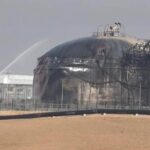
The most significant event discussed was a rocket attack on the Kormor gas field in Sulaymaniyah, which multiple accounts linked directly to Iran and its allied factions in Iraq. Rusly Al-Maliki (Post Impact: 87%) reported that concurrently with the attack, Iran announced it was halting gas supplies to Iraq for maintenance, a move he described as the “highest degree of malice and depravity!”. The same account cited a New York Times report stating that “Iraqi armed groups linked to a ‘neighboring country’ are behind the attack” (Rusly Al-Maliki (Post Impact: 57%)), and also quoted politician Hoshyar Zebari, who claimed that factions belonging to the Hashd (PMF) were responsible for the attack using Grad rockets (Rusly Al-Maliki (Post Impact: 63%)). Mohammed Jabbar (Post Impact: 31%) echoed this sentiment, lamenting that Iran cut off gas despite the sacrifices made on its behalf within Iraq. The U.S. Embassy in Baghdad condemned the attack, calling on the Iraqi government to hold the perpetrators accountable, a statement shared by Rusly Al-Maliki (Post Impact: 28%).
2. Criticism of Abu Muhammad al-Jolani and Events in Syria
The situation in Syria, particularly the actions and rhetoric of Abu Muhammad al-Jolani’s group, was a major topic of debate and condemnation. Sufian Samarrai (Post Impact: 75%) shared a video of what he called “al-Jolani’s gangs” chanting slogans that threaten the existence of Jews, stating that this reflects the ongoing criminal and racist ideology of groups like Al-Qaeda and ISIS. Asaad Al-Basri (Post Impact: 57%) noted that some militants are chanting the name of Abu Muhammad al-Jolani, not Ahmed al-Sharaa, signaling a desire for direct confrontation with Alawites. In a highly critical post, Alawiya Umm Zainab (Post Impact: 65%) condemned Iran’s Supreme Leader Khamenei for supporting Bashar al-Assad, linking his “filthy act” to the current celebrations in Syria marking the expulsion of Iranian influence. Issam Hussein (Post Impact: 33%) described a protest in Idlib where participants threatened the Alawite community with extermination, arguing this reveals a deep contradiction between the supposed goals of freedom and the grim reality on the ground.
3. US Envoy Mark Savaya’s Visit and American Stance on Armed Factions
The upcoming visit of US President-elect Trump’s special envoy, Mark Savaya, and the perceived American strategy for Iraq’s next government generated significant discussion. Steven Nabil (Post Impact: 35%) and Rafid Jaboori (Post Impact: 36%) shared a statement and photo from Savaya, in which he says, “I receive my directives from the Commander-in-Chief regarding Iraq.” This was interpreted as a sign that Iraq is heading for a direct confrontation between US and Iranian influence. Further reports indicated a firm US stance, with Hisham Ali (Post Impact: 25%) citing Al Arabiya that a US delegation had visited Iraq and affirmed its refusal to deal with ministries run by armed factions. Yasser Eljuboori (Post Impact: 14%) commented on this development, suggesting it would mean a third of the ministries would be sidelined.
4. Journalist Muna Sami Alleges Pressure from Commander-in-Chief
Journalist Muna Sami issued a personal statement that gained high engagement, alleging that she is facing pressure from the Commander-in-Chief of the Armed Forces. In her post, Muna Sami – Muna Sami (Post Impact: 66%) stated she chose to remain silent about the leader’s use of an institution she respects against her. She affirmed her unwavering faith in the Iraqi judiciary, declaring, “Even if you possess wealth, prestige, and influence, you will not break my strength, which is derived from the justice of the Supreme Judicial Council and from God Almighty.” This was seen by other commentators like Omar Abd al-Sattar Mahmoud (Post Impact: 15%) as part of a broader trend where Prime Minister Al-Sudani’s government is allegedly targeting journalists with lawsuits and surveillance instead of addressing major security issues like the Kormor attack.
5. Deceptive PMF Recruitment Scheme Exposed
Several accounts highlighted a scam involving a fake recruitment drive for the Popular Mobilization Forces (PMF), allegedly for electoral gain. Rusly Al-Maliki (Post Impact: 54%) addressed the victims directly, questioning their feelings after their voter cards were taken and they were sent to a “fake camp” where they were made to train in military uniforms without boots, only to find out there were no jobs. Shaho Al-Qaradaghi (Post Impact: 31%) shared a video of the alleged organizer of the “fake faction” speaking about integrity and rebuilding the country, sarcastically asking, “You build the country with fraud and deception?” Salim Al-Jumaili (Post Impact: 13%) questioned how a political figure could be allowed to deceive unemployed youth with false promises of jobs in the PMF without the knowledge of higher authorities.
6. Commemoration of the Zaytoun Bridge Massacre in Nasiriyah
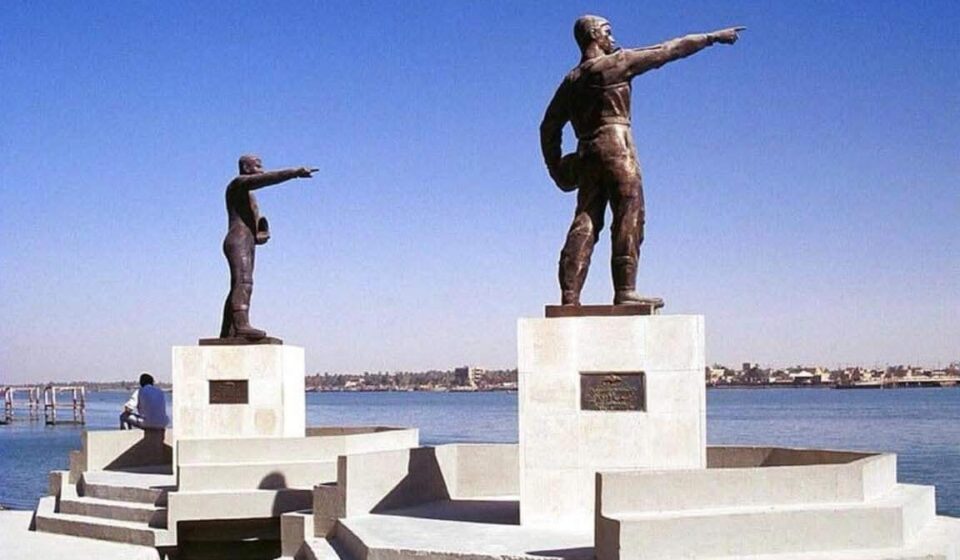
On the anniversary of the 2019 Zaytoun Bridge massacre in Nasiriyah, users remembered the victims and decried the lack of justice. Haider (Post Impact: 47%) posted a summary of the event, noting that over 70 people were killed and 500 injured when security forces tried to open the bridge by force, leading to the resignation of then-Prime Minister Adil Abdul-Mahdi, yet “0 people” have been prosecuted. Ahmed Al-Wishah (Post Impact: 33%) shared a video from a commemoration event on the bridge, quoting a chant: “How do you want me to stop when my brothers’ blood is on the Zaytoun.” Both accounts emphasized that six years have passed without any of the perpetrators being held accountable for the crime.
7. Support for an Unnamed “Brave Sayyid”
The single post with the highest engagement across the platform was a prayer for an unnamed but seemingly influential figure. Dr. Hussein Al-Safi (Post Impact: 100%) published a picture of a prominent religious or political leader with the caption, “O Allah, protect our brave Sayyid.” The post does not name the individual, but its massive impact indicates a significant and mobilized base of support for this leader within the Iraqi social media landscape. The post stands out for its devotional tone and high visibility amidst a backdrop of otherwise critical and conflict-oriented discussions.
8. Controversy over Religious Rituals in a Najaf School
A video from a school in Najaf sparked a debate over the role of religion in state institutions. Tamara Alkhazraji (Post Impact: 51%) shared footage of a flag-raising ceremony where the Iraqi national anthem was replaced with a religious lamentation (latm). The post questioned the appropriateness of such practices in an educational setting, asking, “What is the relationship between the school and religious and sectarian rituals and rites?” The video and the commentary highlight ongoing tensions in Iraq regarding the separation of religion and state, particularly within the public education system.
9. Discovery of a Mystery Aircraft in the Iraqi Desert
A post detailing the discovery of an unidentified civilian aircraft in a remote desert area generated curiosity and speculation. Haider (Post Impact: 51%) reported that the plane was spotted via satellite near Al-Warka in southern Iraq, in a location with no runways or airport facilities. According to specialists’ measurements, the aircraft is a narrow-body type, similar in dimension to an Airbus A320. Archival imagery suggests the plane arrived at the location sometime after April 30, 2021, adding to the mystery of its presence and purpose in such an isolated environment.
10. Delays in Government Formation Prompt Judicial Warning
The ongoing delay in forming a new Iraqi government has become a point of frustration, prompting a rare statement from the judiciary. Haider (Post Impact: 14%) shared a statement from the Iraqi Supreme Judicial Council which declared that delays in forming authorities have become a “recurring feature of the political process.” The Council warned that it would “return everyone to the square of constitutional discipline,” emphasizing that respecting constitutional deadlines is not a political option but a commitment that ensures the legitimacy of the entire political system. This judicial intervention was discussed alongside general commentary on the political stalemate from accounts like Ali al-Khalidi (Post Impact: 39%), who simply asked, “News on government formation… why the silence?”