2025-08-27: Muqtada al-Sadr’s Post Dominates Engagement

Based on an analysis of 465 X / Twitter posts conducted by Miqrab AI on August 27, 2025, the social media discourse in Iraq is dominated by several key narratives. A highly impactful post from cleric Muqtada al-Sadr garnered significant attention, while allegations of Syrian nationals receiving Iraqi citizenship to influence elections sparked widespread debate and sectarian accusations. Social issues were prominent, particularly the outrage following the murder of Dr. Khitam Ahmed Al-Shammari over a marriage refusal, which fueled discussions on violence against women. Concurrently, users heavily criticized perceived government corruption, focusing on nepotism in diplomatic appointments and the passage of a controversial personal status law based on Ja’fari jurisprudence. Regional tensions also featured prominently, including criticism of pro-Iran political commentary, reports of Iraqi mercenaries in the Russia-Ukraine war, and developments concerning Iran’s nuclear program and Israeli strikes in Syria.
Table Of Content
- 1. Muqtada al-Sadr’s Post Dominates Engagement
- 2. Syrians Allegedly Granted Iraqi Citizenship to Influence Elections
- 3. Outrage Over Murder of Dr. Khitam Ahmed Al-Shammari
- 4. Nepotism and Cronyism in Ambassadorial Appointments Criticized
- 5. Analyst’s Pro-Iran Statement Sparks Backlash
- 6. Parliament Passes Controversial Ja’fari Personal Status Law
- 7. Reports of Iraqis Recruited as Mercenaries in Ukraine War
- 8. General Discontent with Government Failures and Politicians
- 9. Focus on Iran’s Nuclear Program and International Sanctions
- 10. Reports of Israeli Air Strikes on Damascus Countryside
Today’s Top 10 X (Twitter) Trends in Iraq:
1. Muqtada al-Sadr’s Post Dominates Engagement
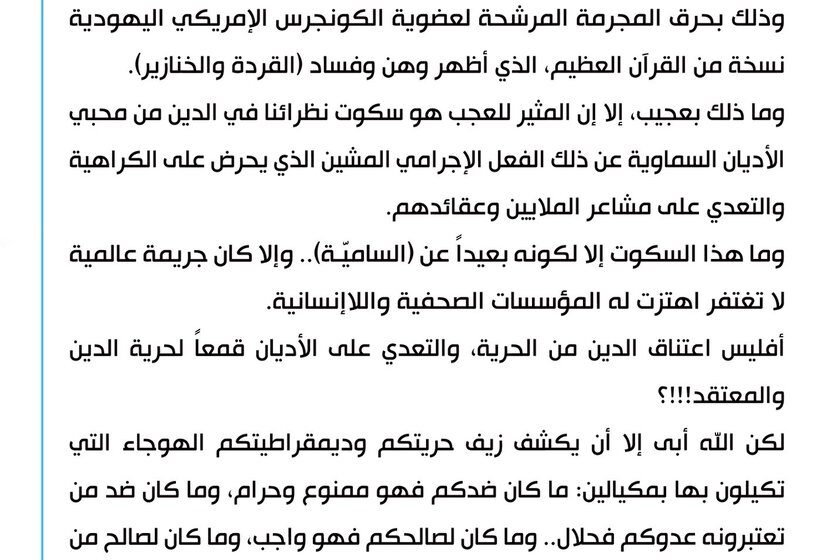
A post from the official account of influential cleric Muqtada Sayyid Muhammad Al-Sadr (Post Impact: 100%) generated the highest engagement on X / Twitter in Iraq. The post contained only a link to an image with a written statement, without any accompanying text in the tweet itself. This singular post commanded the platform’s attention, illustrating the significant reach of al-Sadr’s communications. Another account, Dr. Hussein Al-Safi (Post Impact: 7%), shared a similar image of the cleric with the caption “My guardian of my soul, money, and family….”, reflecting the supportive sentiment among his followers.
2. Syrians Allegedly Granted Iraqi Citizenship to Influence Elections
A significant narrative emerged alleging that hundreds of Syrian nationals have been granted Iraqi citizenship in Diyala, Anbar, and the Kurdistan Region specifically to participate in upcoming elections. Hydar (Post Impact: 14%) shared a post with a list of names, and in another tweet (Post Impact: 11%) questioned the “strange media silence” on the issue, suggesting the reaction would be far more severe if the individuals were Iranian and the location was Karbala or Nasiriyah. This sentiment was echoed by others, such as Dr. Hussein Al-Safi (Post Impact: 4%), who expressed fears that Iraqis could become a minority in Mosul and Anbar. In response, some accounts like Huroof Sumaria (Post Impact: 4%) and Wesam Aziz (Post Impact: 3%) sarcastically called for granting citizenship to millions of Iranians to balance the political scales.
3. Outrage Over Murder of Dr. Khitam Ahmed Al-Shammari
The killing of Dr. Khitam Ahmed Al-Shammari in Salah al-Din province sparked outrage across Iraqi social media. Accounts reported that she was killed by her cousins because she refused to marry one of them. Dr. Hussein Al-Safi (Post Impact: 12%) highlighted the story and noted the perceived silence of civil society organizations and “embassy girls.” Similarly, _. suhair Al_jumaili (Post Impact: 11%) and Abu Darandash Al-Askari (Post Impact: 6%) described the incident as a “regrettable crime” resulting from a tribal dispute. Heba Al-Naiib (Post Impact: 2%) used the tragedy to criticize a culture that blames civil society organizations for societal decay while ignoring the root causes of such “barbaric crimes” rooted in tribal customs and a patriarchal system.
4. Nepotism and Cronyism in Ambassadorial Appointments Criticized
Numerous posts expressed anger and ridicule over recent diplomatic appointments, which were widely seen as based on nepotism and political quotas rather than merit. Dr. Yahya Al-Kubaisi (Post Impact: 13%) sarcastically asked which members of the former regime, besides Saddam Hussein, appointed their sons or relatives as ambassadors. Dr. Qusay Shafiq (Post Impact: 8%) pointed to the appointment of an art teacher as an ambassador through the quota system. Other posts, from accounts like Mujahid Al-Taie (Post Impact: 3%) and Cliff Captain (Post Impact: 2%), specifically mentioned the appointments of Hani al-Qaddo (nephew of a militia leader) and Rahman al-Amiri (brother of Hadi al-Amiri) to diplomatic posts, highlighting these as examples of a “family and militia rule.”
5. Analyst’s Pro-Iran Statement Sparks Backlash
A statement by political analyst Hussein Al-Kinani asserting that “Iran has the right to strike Iraq because it provided facilities to Israel during the recent war” drew significant condemnation. Rusly Al-Maliki (Post Impact: 13%) shared a clip of the statement, questioning if such a thing could be seen anywhere else in the world. Heba Al-Naiib (Post Impact: 2%) described Al-Kinani’s comment as “explicit incitement” broadcast on television and questioned why channels continue to host individuals who threaten national security. The posts reflect a strong negative reaction to rhetoric perceived as prioritizing Iranian interests over Iraqi sovereignty.
6. Parliament Passes Controversial Ja’fari Personal Status Law
The Iraqi Parliament’s vote to approve the “Code of Sharia Provisions in Personal Status Matters according to the Ja’fari jurisprudence” created a sharp divide online. Supporters like Hassan Salem (Post Impact: 8%) and Wesam Aziz (Post Impact: 7%) celebrated the move as a victory for the Iraqi people and a defeat for “the waste of the American embassy and Mossad civil organizations.” However, critics voiced strong opposition. Mahdi Majeed (Post Impact: 5%) accused Shiite MPs of officially legalizing “prostitution.” Omar Al-Janabi (Post Impact: 4%) argued the law “entrenched societal sectarianism” and would create immense social problems, pointing out that child custody would transfer to the father after the child reaches age seven.
7. Reports of Iraqis Recruited as Mercenaries in Ukraine War
Several accounts raised alarm over the recruitment of Iraqi youth to fight as mercenaries in the Russia-Ukraine war. Dr. Zaid Abdulwahab Al-Adhami (Post Impact: 9%) posed a question to his followers, asking which party they believe is involved in the recruitment. A more direct accusation came from Heba Al-Naiib (Post Impact: 8%), who claimed that MP Mustafa Sanad traveled to Russia under the pretext of arresting someone but was actually there to recruit 3,000 Iraqis. Salim Al-Jumaili (Post Impact: 3%) linked the phenomenon to the corruption of the ruling class, which deprives Iraqi youth of work and pushes them “into the unknown.”
8. General Discontent with Government Failures and Politicians
A strong current of frustration with the government and the political class was evident across multiple high-engagement posts. Rusly Al-Maliki (Post Impact: 12%) wrote a lengthy, satirical post describing the “life cycle of failure” in Iraq, where internet shutdowns for exams lead to protests for government jobs, perpetuating a broken system. Political commentator Faiq Al-Sheikh Ali/My Word for History posted several sharp critiques, including one (Post Impact: 10%) describing the country’s rulers as incompetent. Meanwhile, Al-Alusi Mithal (Post Impact: 9%) issued a direct appeal to the “rulers of the Green Zone” to “fear God in Iraq.” These posts collectively paint a picture of deep-seated public dissatisfaction.
9. Focus on Iran’s Nuclear Program and International Sanctions
Developments concerning Iran’s nuclear program and international relations were a key topic of discussion. Rusly Al-Maliki (Post Impact: 8%) reported that the director of the International Atomic Energy Agency announced the arrival of inspectors at Iran’s nuclear sites, noting that Khamenei had agreed after a long period of defiance. This was complemented by news shared by Omar Abdul Sattar Mahmoud (Post Impact: 5%) and Dr. Zaid Abdulwahab Al-Adhami (Post Impact: 2%), citing Reuters, that European countries would likely begin the process of re-imposing UN sanctions on Iran the following day.
10. Reports of Israeli Air Strikes on Damascus Countryside
Regional military actions were also in focus, with multiple accounts reporting on Israeli air strikes in Syria. The account Hydar (Post Impact: 5%) reported that the Israeli army launched approximately 16 raids on the Damascus countryside. Analyst Essam Hussein (Post Impact: 5%) commented that the Israeli bombing was not a coincidence but a direct response to statements by Syrian opposition leader Al-Jolani. According to this view, Netanyahu sent a clear message that “Syria is now under the Israeli umbrella” and that Al-Jolani is merely an “instrumental mercenary.”