2025-08-10: Saudi Government Account Criticized for Targeting Egypt

Based on an analysis of 491 X / Twitter posts trending in Iraq on August 10, 2025, Miqrab AI identified several key narratives dominating the social media landscape. The most prominent conversations centered on regional politics, particularly Iranian influence in Lebanon and Iraq, and a perceived Saudi media campaign against Egypt. Domestically, the upcoming Arba’een pilgrimage was a major focus, with users sharing scenes of international pilgrims providing services, while also discussing significant security threats, such as the arrest of a terrorist cell planning attacks. Other key topics included internal political tensions, evidenced by a confrontation involving Ammar al-Hakim’s convoy, controversy over remarks by the British ambassador, and the disqualification of several high-profile candidates from the upcoming elections.
Table Of Content
- 1. Saudi Government Account Criticized for Targeting Egypt
- 2. Iranian Influence and Regional Sovereignty Debated
- 3. International Participation in Arba’een Pilgrimage Highlighted
- 4. Condemnation of “Jihadist” Violence in Syria
- 5. Confrontation at Ammar al-Hakim’s Convoy Sparks Debate
- 6. Key Candidates Disqualified from Upcoming Elections
- 7. British Ambassador’s Remarks Spark Diplomatic Outcry
- 8. Terrorist Plot Against Arba’een Pilgrims Foiled
- 9. Criticism of Government Over Infrastructure and Finance
- 10. Religious Debate Over the Origins of Arba’een Pilgrimage
Today’s Top 10 X (Twitter) Trends in Iraq:
1. Saudi Government Account Criticized for Targeting Egypt
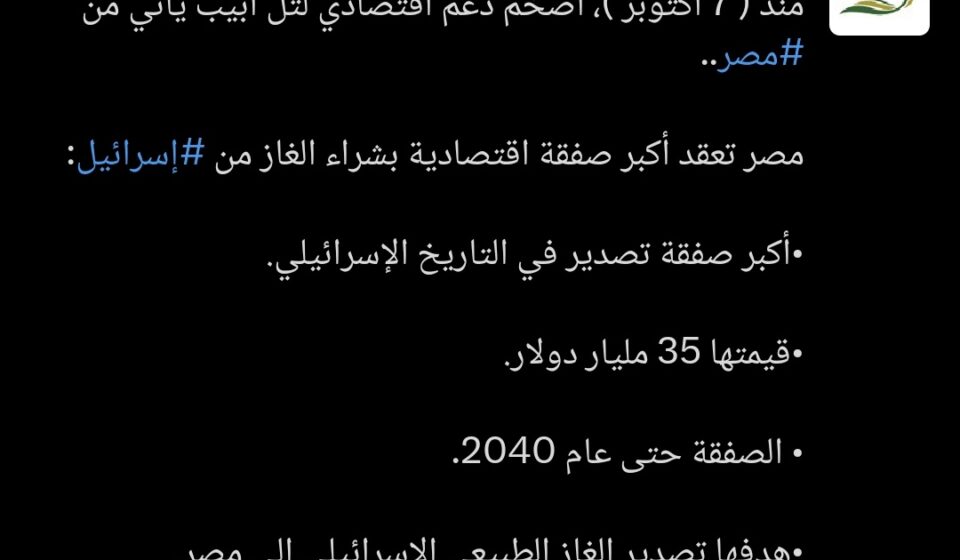
A highly engaged post by Haidar (Post Impact: 100%) highlights a Saudi government X / Twitter account named “Saudi News” that has been exclusively posting content about Egypt over a 24-hour period. Haidar questions the motive behind this focus, asking, “Why this targeting of the sisterly Republic of Egypt?!” The post includes a screenshot showing multiple posts from the Saudi account, all concerning Egyptian affairs, which suggests a deliberate media campaign. This single post generated the highest engagement among the analyzed set, indicating significant user interest in the perceived tensions between the two regional powers.
2. Iranian Influence and Regional Sovereignty Debated
Multiple users discussed Iranian influence in Iraq and Lebanon following statements by an advisor to Iran’s Supreme Leader. Rusly Al-Maliki (Post Impact: 31%) contrasted Lebanon’s strong rejection of the advisor’s remarks about Hezbollah’s weapons with the silence in “the Iranian province of Iraq.” Similarly, Ezzat Alshabandar (Post Impact: 23%) described the remarks as “blatant interference in Lebanon’s internal affairs.” Liqaa Maki (Post Impact: 23%) argued that this reflects a broader Iranian strategy to shift propaganda from targeting Israel to portraying Sunnis as an internal threat in both countries to protect the weapons of allied militias. This narrative was also touched upon by Zina Al Saab (Post Impact: 15%), who noted the double standard in reactions to Iranian versus British comments on the Popular Mobilization Forces (PMF).
3. International Participation in Arba’een Pilgrimage Highlighted
The ongoing Arba’een pilgrimage to Karbala is a major topic, with a focus on the international presence and communal service. The account Haidar shared numerous videos showcasing processions and service tents (Mawakib) set up by Shia pilgrims from various countries, including India (Post Impact: 40%), Al-Ahsa (Saudi Arabia) (Post Impact: 33%), Oman (Post Impact: 20%), and Kuwait (Post Impact: 18%) along the Najaf-Karbala road. In a similar vein, Abu Drandash Alaskree (Post Impact: 38%) posted a video of Iranian religious figures repairing the shoes of pilgrims, commenting that “all ranks melt away in the service of Hussein’s visitors.” These posts collectively paint a picture of unity and devotion among international Shia communities during the pilgrimage.
4. Condemnation of “Jihadist” Violence in Syria
Sufian Samarrai (Post Impact: 64%) strongly condemned what he described as barbaric acts by a “jihadist” affiliated with “gangs of Qatar, Turkey, and Iran.” He shared a video allegedly showing an individual storming a hospital, shouting “Takbir,” and killing patients and medical staff. In other posts, Samarrai reported that Qatar is supplying al-Jolani’s groups with 4×4 vehicles (Post Impact: 22%) for battles against the Syrian Democratic Forces (SDF) and warned these groups that they are heading toward their end in the deserts of Iraq and Syria. These posts depict a narrative of ongoing conflict in Syria fueled by regional powers supporting extremist factions.
5. Confrontation at Ammar al-Hakim’s Convoy Sparks Debate
An incident involving the convoy of Ammar al-Hakim, leader of the National Wisdom Movement, during the Arba’een pilgrimage in Mahmoudiya has generated conflicting narratives. Salam Al-Husseini (Post Impact: 21%) described the event as pilgrims expressing “peaceful rejection” of al-Hakim’s presence, which was met with live gunfire from his guards. He claims al-Hakim is “rejected by the Marja’iyya” and his presence is a provocation. In contrast, Wasan Al-Shaikhli (Post Impact: 20%) framed the incident as an attack on the convoy by “sons of the Ba’athists and sons of Umm Arouba.” Both accounts shared video of the confrontation, but interpreted the motives and actions of those involved very differently.
6. Key Candidates Disqualified from Upcoming Elections
The Independent High Electoral Commission’s decision to exclude several prominent figures from the upcoming parliamentary elections is a major political story. Multiple users, including Haidar (Post Impact: 12%) and Yasser Eljuboori (Post Impact: 11%), reported on the disqualification of Ahmed al-Jubouri, also known as Abu Mazen. Eljuboori also noted the exclusion of Jamal al-Karbouli, Raed al-Jubouri, and Najm al-Jubouri (Post Impact: 10%). _. suhair Al_jumaili (Post Impact: 7%) also shared the news about Abu Mazen being removed from a list that included 68 candidates in total. This development is seen as a significant shift in the political landscape ahead of the vote.
7. British Ambassador’s Remarks Spark Diplomatic Outcry
Statements made by the British ambassador regarding armed factions in Iraq have caused significant controversy, leading to calls for his expulsion. Ezzat Alshabandar (Post Impact: 20%) called for the ambassador to be expelled, describing him as “unwanted” due to his “insolent remarks.” Dr. Hayder Al-Barzanji (Post Impact: 7%) later reported that the Iraqi Foreign Ministry had summoned the ambassador to convey Iraq’s rejection of his statements, calling them a violation of diplomatic norms and Iraqi sovereignty. The sentiment was echoed by MP Alyaa Nusayif (Post Impact: 6%), who demanded the ministry hold him accountable.
8. Terrorist Plot Against Arba’een Pilgrims Foiled
Iraqi judicial authorities announced the arrest of a terrorist cell that was planning to attack pilgrims during the Arba’een commemoration. Haidar (Post Impact: 19%) reported that the cell, which included a student in an anesthesiology department, intended to plant IEDs and poison the food served in the Mawakib (service tents). The judiciary’s statement, shared by Ahmed Al-Thawaq (Post Impact: 7%), detailed that ISIS used methods of “brainwashing” via extremist literature to recruit the members. In a follow-up post, Haidar (Post Impact: 14%) added that one of the captured cell members was a “Sayyid” from Karbala who confessed to burning a Mawakib as “revenge for the Mother of the Believers, Aisha.”
9. Criticism of Government Over Infrastructure and Finance
The Iraqi government is facing criticism over its performance in key sectors. Amer Abduljabbar Ismael (Post Impact: 25%) claimed that the current government has presided over the highest number of train accidents and contracts tainted by corruption suspicions since the establishment of the railway in 1916. On another front, Kifah Mahmood (Post Impact: 14%) criticized the federal government in Baghdad for withholding 950 billion dinars in salaries from the Kurdistan Region over a 120 billion dinar dispute regarding the region’s revenues. He questioned whether the motive was stubbornness or malice, suggesting Baghdad could simply deduct the amount and send the remainder.
10. Religious Debate Over the Origins of Arba’een Pilgrimage
A controversial post by Alalawiya Um Zainab (Post Impact: 35%) has sparked debate over the religious basis of the Arba’een pilgrimage. The post shares a video clip of the late Lebanese Shia cleric Grand Ayatollah Muhammad Hussein Fadlallah, in which he allegedly states that the “Arba’een pilgrimage is a Jewish idea and has no reward.” The user identifies Fadlallah as a major Shia authority in Lebanon. The high engagement on this post indicates that the cleric’s purported view on one of the most significant rituals in Shia Islam is a contentious and widely discussed topic among Iraqi social media users.