2025-05-30: Qais al-Khazali Warns of Ba’athist and Turkish Threats

An analysis of 374 X / Twitter posts trending on May 30, 2025, conducted by Miqrab AI, reveals a landscape dominated by political tensions and security concerns. The most prominent narrative comes from militia leader Qais al-Khazali, who issued multiple warnings about a resurgent Ba’athist threat, Turkish expansionism, and ongoing disputes with the Kurdistan Region over resources and security. Other significant themes include rising sectarian rhetoric surrounding voter registration, urgent appeals to halt alleged executions of Sunni detainees, and reports of threats against journalists critical of the government. Discussions also covered financial disputes between Baghdad and Erbil, reports of a potential military operation against the PMF, and diplomatic shifts in the wider region involving Syria.
Table Of Content
- 1. Qais al-Khazali Warns of Ba’athist and Turkish Threats
- 2. Voter Registration Efforts Spark Sectarian Accusations
- 3. Appeals to Halt Alleged Executions of Sunni Detainees
- 4. Journalist Reports Death Threats for Criticizing Government
- 5. Renewed Baghdad-Erbil Tensions Over Finances and Resources
- 6. Reports of Planned US-Iraqi Operation Against PMF
- 7. Palestinian Cleric Killed in Israeli Strike in Gaza
- 8. Diplomatic Engagements Involving Syria, Turkey, and KRG
- 9. Commentary on US-Iran Relations and Saudi Mediation
- 10. Judiciary Toughens Measures Against Violators
Today’s Top 10 X (Twitter) Trends in Iraq:
1. Qais al-Khazali Warns of Ba’athist and Turkish Threats
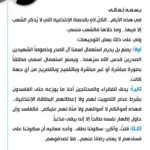
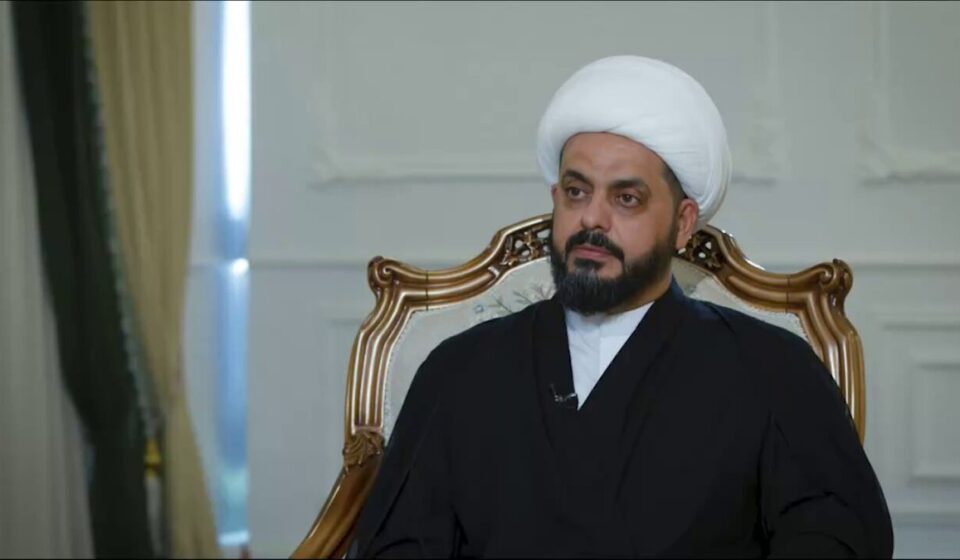
Asa’ib Ahl al-Haq leader Qais al-Khazali dominated the platform with a series of high-impact posts addressing national security. Echoing a warning from the Prime Minister, Qais al-Khazali (Post Impact: 100%) warned of imminent Ba’athist movements, stating it is wrong “to be complacent in the face of any threat to national security or peaceful coexistence.” He specifically claimed that there is Ba’athist activity in Turkey and Kurdistan aimed at destabilizing Iraq. In other posts, he accused Turkey of having “expansionist ambitions in Iraq to annex the so-called Mosul province to Greater Turkey,” and also criticized certain tribal mobilization units, such as the Nineveh Guards, claiming their leaders are Ba’athists and some members are accused of terrorism. In what appeared to be a direct response, the official PMF account posted a statement from Muhand AL ekabiy (Post Impact: 6%) rejecting “baseless accusations” made by “a political personality” against its tribal units.
2. Voter Registration Efforts Spark Sectarian Accusations
The process of updating voter registration data has ignited sectarian controversy online. Accounts including Shaho Al-Qaradaghi (Post Impact: 12%) and Hussam Alhaj (Post Impact: 49%) highlighted remarks by cleric Sadr al-Din al-Qubanchi, who allegedly claimed that the high voter registration turnout in Sunni-majority western provinces is an attempt to “snatch power from the Shiites.” This narrative was strongly condemned by commentators like Mashaan al-Jabouri (Post Impact: 9%), who described the cleric’s statement as “dangerous sectarian and inflammatory rhetoric that threatens social peace.” Amid the controversy, satirist Ahmed Albasheer (Post Impact: 77%) shared a video clip encouraging citizens to update their electoral data and receive their voter cards.
3. Appeals to Halt Alleged Executions of Sunni Detainees
A prominent narrative emerged with urgent appeals to stop what are being described as sectarian executions of Sunni Iraqis. Mahdi Majeed (Post Impact: 57%) called on the “Arab world” and people of all faiths to raise awareness about Sunnis who are reportedly set to be executed in “militia prisons loyal to Iran,” asking for help to stop the killing of the innocent. Similarly, Hiba Alnnayib (Post Impact: 38%) expressed shame that a state claiming to uphold the law would execute young Sunnis based on “doubtful charges and confessions extracted under torture.” Both accounts used hashtags such as #Stop_Sectarian_Executions to amplify their campaign.
4. Journalist Reports Death Threats for Criticizing Government
Several accounts reported that Iraqi journalist and TV host Yasser Amer Al-Janabi has received death threats for his criticism of Prime Minister Mohammed Shia’ Al Sudani’s government. _. suhair Al_jumaili (Post Impact: 10%) quoted Al-Janabi stating he was threatened that his “head would be cut off” if he continued to speak about the government, and that he holds the security forces responsible for his and his family’s safety. Mahdi Majeed (Post Impact: 13%) noted that a video of the threat was sent to human rights organizations and held the Iraqi Prime Minister responsible for any harm that befalls the journalist. Ahmad Alwishah (Post Impact: 6%) also shared the news, attributing the threats to “Al-Sudani’s gangs and the Coordination Framework militias.”
5. Renewed Baghdad-Erbil Tensions Over Finances and Resources
Tensions between the federal government in Baghdad and the Kurdistan Regional Government (KRG) are a key topic, focusing on financial disputes. Mashaan al-Jabouri (Post Impact: 6%) reported that the federal Ministry of Finance has suspended salary payments to Kurdistan’s employees, calling the move an unwise act of “collective punishment” timed with the Eid holiday. From within the Kurdistan Region, politician Srwa Abdulwahid (Post Impact: 11%) criticized the KRG’s leadership for corruption and oil smuggling, advising them to stop the theft and pay salaries. Meanwhile, Dr. Majid Shingali (Post Impact: 8%) argued that Baghdad is manufacturing the crisis with the region as a “failed patchwork solution” to cover its own budget deficit and the finance ministry’s poor performance.
6. Reports of Planned US-Iraqi Operation Against PMF
A report from the news agency *Erem News*, claiming an impending joint military operation against the Popular Mobilization Forces (PMF), was shared by multiple accounts. According to posts by Mazin Al-Eshaiker (Post Impact: 11%) and Hiba Alnnayib (Post Impact: 11%), senior US officials informed Iraqi politicians that the Iraqi Army, in cooperation with US forces, would conduct a military operation against the PMF next month. The report notably claims that this military action has received “Iran’s approval.”
7. Palestinian Cleric Killed in Israeli Strike in Gaza
A post with significant engagement reported the death of Palestinian cleric Nael Ghazi Misran in the Gaza Strip. The account Haidar (Post Impact: 65%) stated that Misran was killed after an Israeli rocket struck his tent. According to the post, he suffered greatly from his injuries for two days before succumbing to them.
8. Diplomatic Engagements Involving Syria, Turkey, and KRG
Developments in regional diplomacy involving Syria were highlighted across the platform. Ghaith Al-Tamimi (Post Impact: 12%) shared a post about a meeting in Damascus between the President of the Kurdistan Region of Iraq, Nechirvan Barzani, and Syrian President Ahmed al-Sharaa, also known as al-Jolani. In a separate development, the account Haidar (Post Impact: 6%) reported that Syria and Turkey are nearing the signing of a “joint defense agreement” which would include the establishment of Turkish military bases in the Aleppo and Hasakah countrysides with legal cover from Damascus.
9. Commentary on US-Iran Relations and Saudi Mediation
The potential for a new agreement between the United States and Iran was a topic of discussion. Zaid Benjamin (Post Impact: 4%) quoted former US President Donald Trump stating, “I think we are close to an agreement with Iran.” Adding a diplomatic layer to the situation, Rafid Jaboori (Post Impact: 6%) cited a Reuters report detailing an urgent Saudi message to Iran. According to the report, the Saudi defense minister advised Iran’s Supreme Leader to advance negotiations with the Trump administration due to the “great and imminent” danger of an Israeli attack.
10. Judiciary Toughens Measures Against Violators
Parliamentarian Aliae Nassif (Post Impact: 10%) reported on a new directive from the Supreme Judicial Council aimed at strengthening the rule of law in Iraq. The council has instructed investigative courts to tighten procedures against two specific groups: private generator owners who violate governorate regulations, and individuals who assault medical and educational staff. Nassif praised the move as a “very good initiative from the Iraqi judiciary that will contribute to deterring violators and imposing the law.”